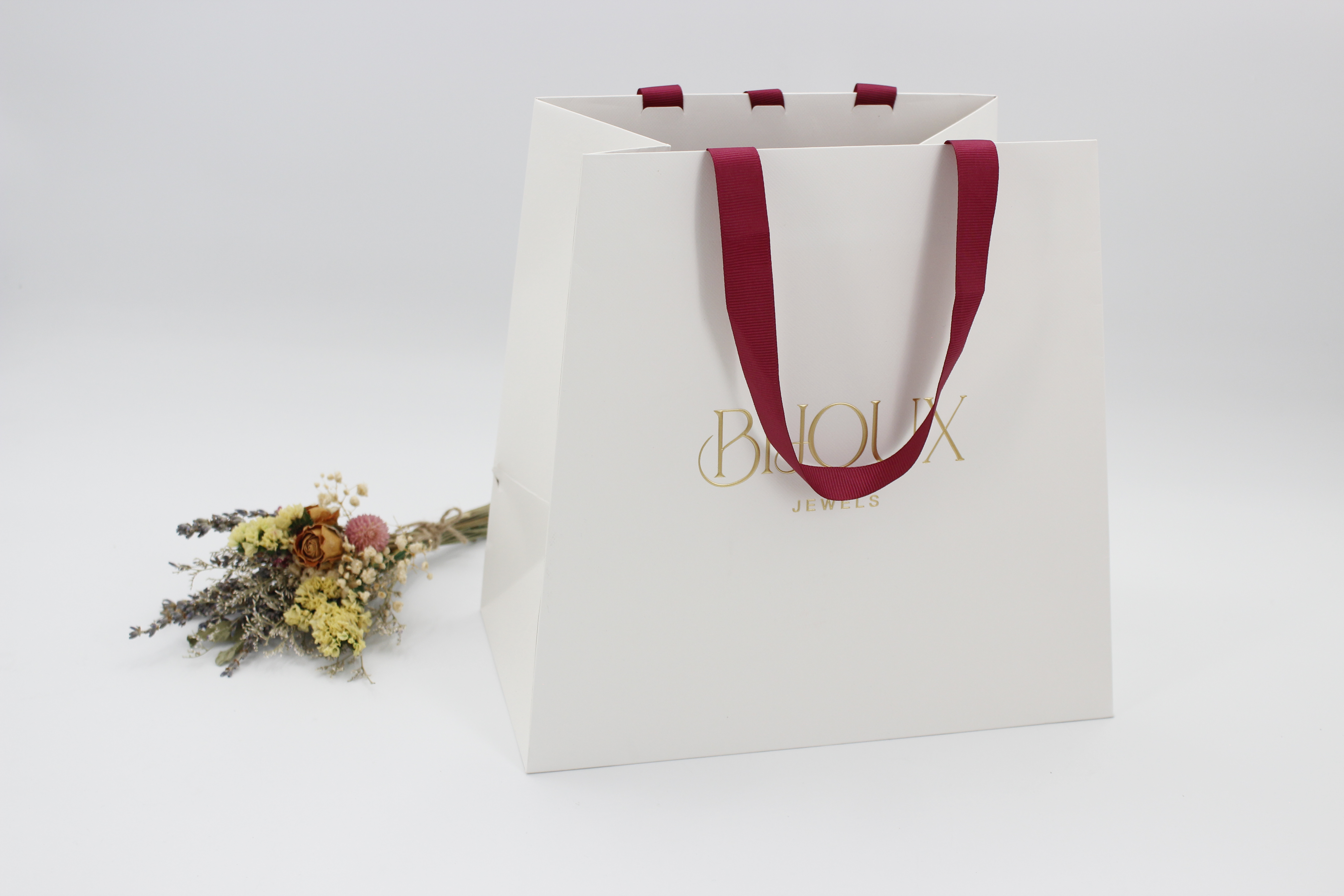
72% of global jewelry brands that source packaging from Chinese suppliers list custom foam insert fit and material safety as their top two non-negotiable requirements when ordering a Jewelry box, per 2025 cross-border packaging industry survey data. Many first-time buyers make the mistake of only comparing outer box appearance and unit price, ending up with loose inserts that scratch gemstones, or uncertified foam that fails customs compliance checks in their target market. The 5 tips below are collected from 18 years of packaging project experience, to help buyers avoid the most common hidden pitfalls of sourcing this product category.
Confirm Foam Insert Density and Precision Cut Tolerance for Your Jewelry box
90% of unplanned jewelry shipping damage can be traced back to poorly cut EVA foam inserts that leave 2mm or more of free movement for the product inside the packaging, per logistics damage statistics from HAOSUNG PACKAGING 2024 project records. Most buyers only ask for EVA foam material without specifying cut precision, which leads to rings tilting out of position during long distance transit, scratching polished gold surfaces or chipping fragile gemstones. For standard rings and small earrings, 38 shore hardness EVA foam is the most cost-effective choice, while heavy bangle sets and luxury watches usually require 50+ shore hardness foam to provide enough structural support. Reputable suppliers will provide pre-production cutting test samples to confirm every SKU sits snugly in its designated slot, with no wiggling or extra movement when you shake the closed box.
Verify Material Compliance for Target Market Regulations
Starting 2026, the EU PPWR regulation mandates that all foam insert components in imported packaging must be 90% recyclable by weight, with non-compliant shipments facing up to 4% of total product value in customs fines. North American markets also ban foam that contains high levels of phthalates, requiring all material batches to pass ASTM F963 toy safety equivalent tests for jewelry packaging that targets customers under 12. Many small Chinese packaging factories do not keep full compliance test documentation on hand, which means you can face unexpected customs delays or even full shipment seizures when you expand to new regions later on. Prioritize suppliers that can provide full traceability reports for all foam and outer box materials, so you do not need to pay for third party testing separately for every new order.
Compare MOQ and Turnaround Across Suppliers
Most traditional packaging factories in southern China set 1000 units as the minimum order quantity for custom Jewelry box with foam inserts, while small batch focused vendors can bring that threshold down to 1 unit for prototype testing. The table below is based on typical industry scheme calculation range, not single customer actual order data:

| Project | A traditional packaging supplier | HAOSUNG PACKAGING |
|---|---|---|
| Minimum Order Quantity | 1000 units | 1 unit |
| Standard打样周期 | 10 days | 3 days |
| Standard mass production lead time | 18 days | 12 days |
| Unit price for 500pcs EVA foam insert jewelry box | $2.1 | $1.72 |
| Free included compliance certifications | No | FSC, Sedex, ASTM foam safety |
The small batch MOQ support eliminates the "small order paradox" that troubles most new DTC jewelry brands, which lets you test 200 units of new packaging for your product launch without tying up tens of thousands of dollars in unused inventory.
3 Practical Steps to Confirm Your Order Before Mass Production
Step 1: Submit exact 3D dimensions of every jewelry SKU you need to fit, including thickness of anti-tarnish cloth or inner velvet pouch, to avoid leaving too little space in the foam cutout that pushes gemstones against the hard outer box wall. Step 2: Request a free physical sample of both the foam insert and the outer box, and run a 1.2m height drop test from 3 different angles to confirm no jewelry movement or packaging deformation during transit. Step 3: Ask the supplier for full batch material test reports before production starts, to avoid last minute compliance rejections at your destination port.
Calculate Total Cost Beyond Single Unit Price
For cross-border jewelry brands that ship 10,000 units or more per year, inefficient packaging structure can increase total international logistics cost by up to 22% annually. I have seen too many buyers pick a supplier who offers $0.15 lower per unit price, only to find the outer box is 12mm thicker than the optimized version, pushing up the whole shipment’s billable volume by 17%.
One European mid-sized jewelry brand previously ordered custom foam insert packaging from a regular Chinese supplier, their old foam insert was 12mm thicker than needed, making each outer box 15% larger than necessary. After switching to HAOSUNG PACKAGING's precision 8mm low-density EVA insert design, the brand cut total annual shipping cost by 19%, and reduced in-transit jewelry damage rate from 3.7% to 0.2%. This case clearly shows that the total cost of ownership for a jewelry packaging product is never just the sticker price of the box itself.
My personal long-term observation for the industry is that the most easily ignored cost of a custom Jewelry box is not the packaging material, but the dimensional weight charge for international shipping. For brands that send 80% of their orders via sea or air freight, a 10% reduction in packaging volume will translate to a far bigger annual cost saving than any 5% discount you can negotiate on the single unit packaging price. This point is rarely mentioned in generic packaging purchasing guides, but it has a huge impact on long term profitability for cross-border jewelry sellers.
For brands expanding their market footprint in 2026, picking a reliable supplier for custom Jewelry box with foam inserts does not only improve unboxing experience for customers, but also reduces long term hidden costs on logistics, damage return and compliance risks. The team at HAOSUNG PACKAGING has accumulated over 18 years of experience refining foam insert designs for global jewelry brands, with in-house 10+ year experienced design team that can adjust solutions for small independent designers and large luxury brand clients alike.
Q: What is the standard EVA foam density recommended for Jewelry box inserts?
A: For most fine jewelry products including rings, necklaces and small earrings, 38-42 shore hardness EVA foam is the most widely used balanced option, which offers enough cushioning without being too hard to press the jewelry out of shape. Heavy items such as gemstone bangles and luxury watch boxes usually use 50-55 shore hardness foam for extra structural support.
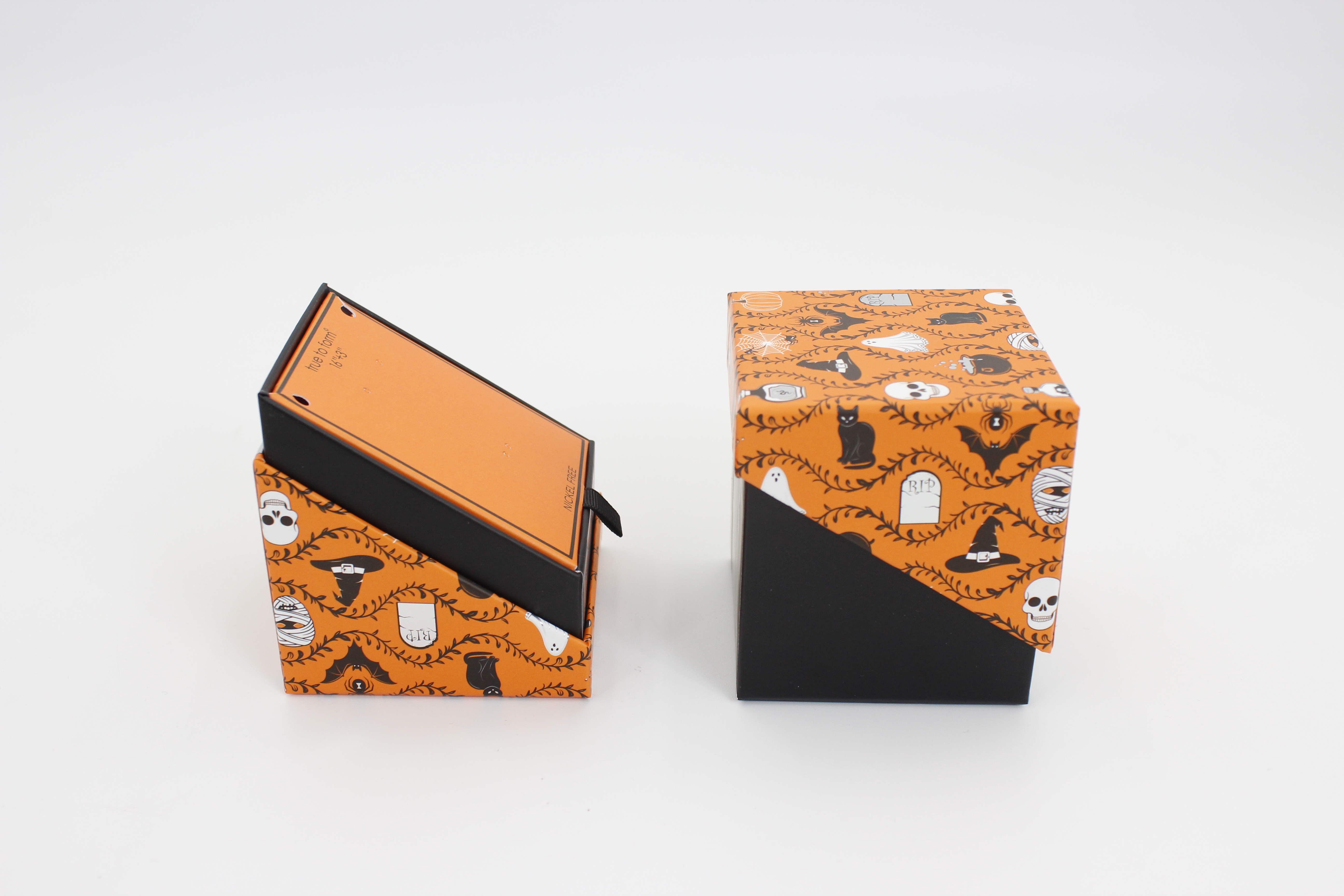
Q: Can custom foam insert Jewelry box meet FSC recyclability requirements?
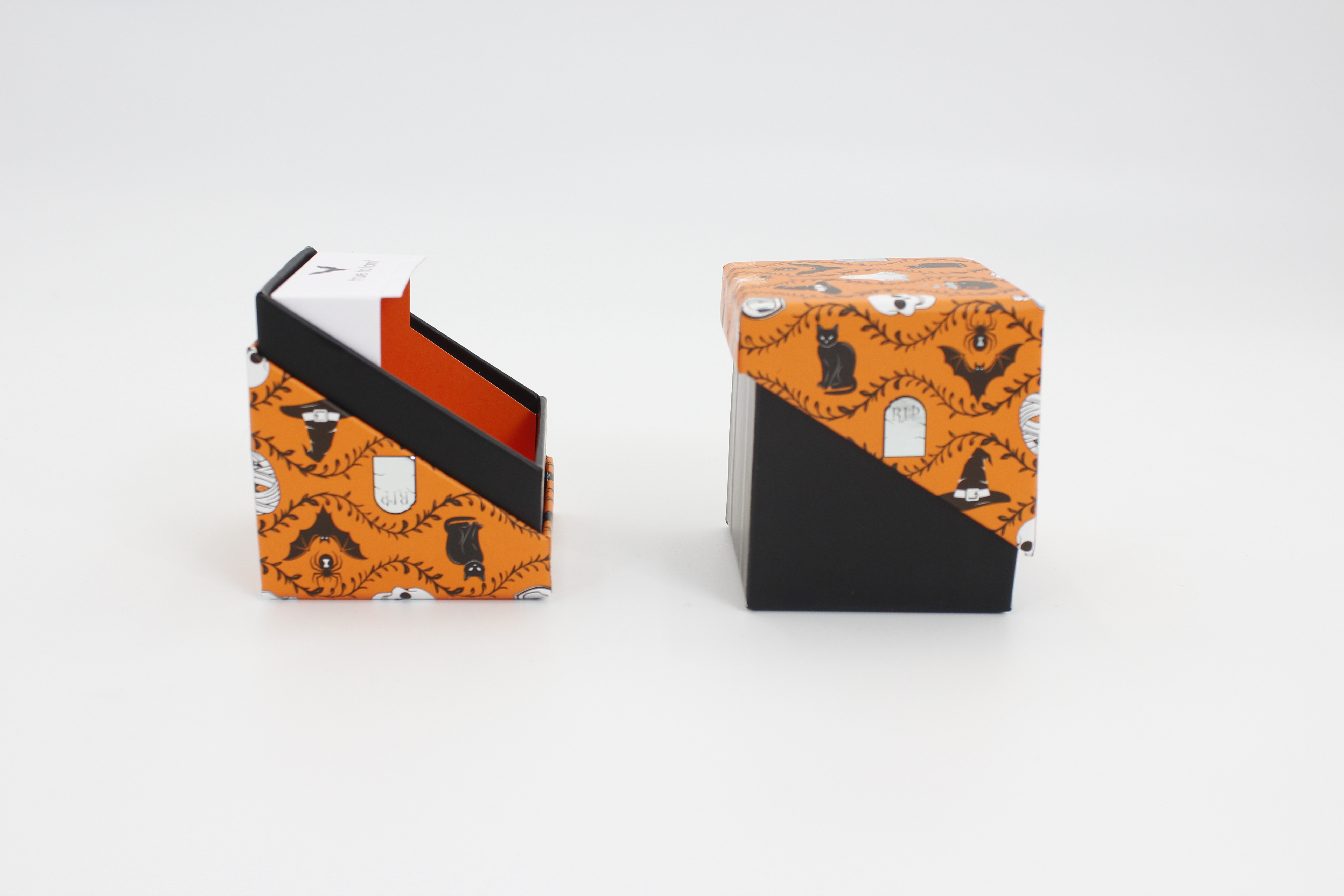
A: Yes, as long as the outer paper box is made of FSC certified material and the EVA foam uses fully recyclable non-toxic formulation, the full set can pass the 2026 EU PPWR recyclability requirements. HAOSUNG PACKAGING provides fully documented traceability reports for all FSC certified materials for client customs declaration use.
Q: What is the minimum order quantity for custom foam insert jewelry packaging?
A: Traditional packaging factories usually set MOQ at 1000 units for fully custom foam cut designs, but HAOSUNG PACKAGING supports 1 unit MOQ for prototype testing, so small independent designers can validate their packaging fit and unboxing experience with very low upfront cost.