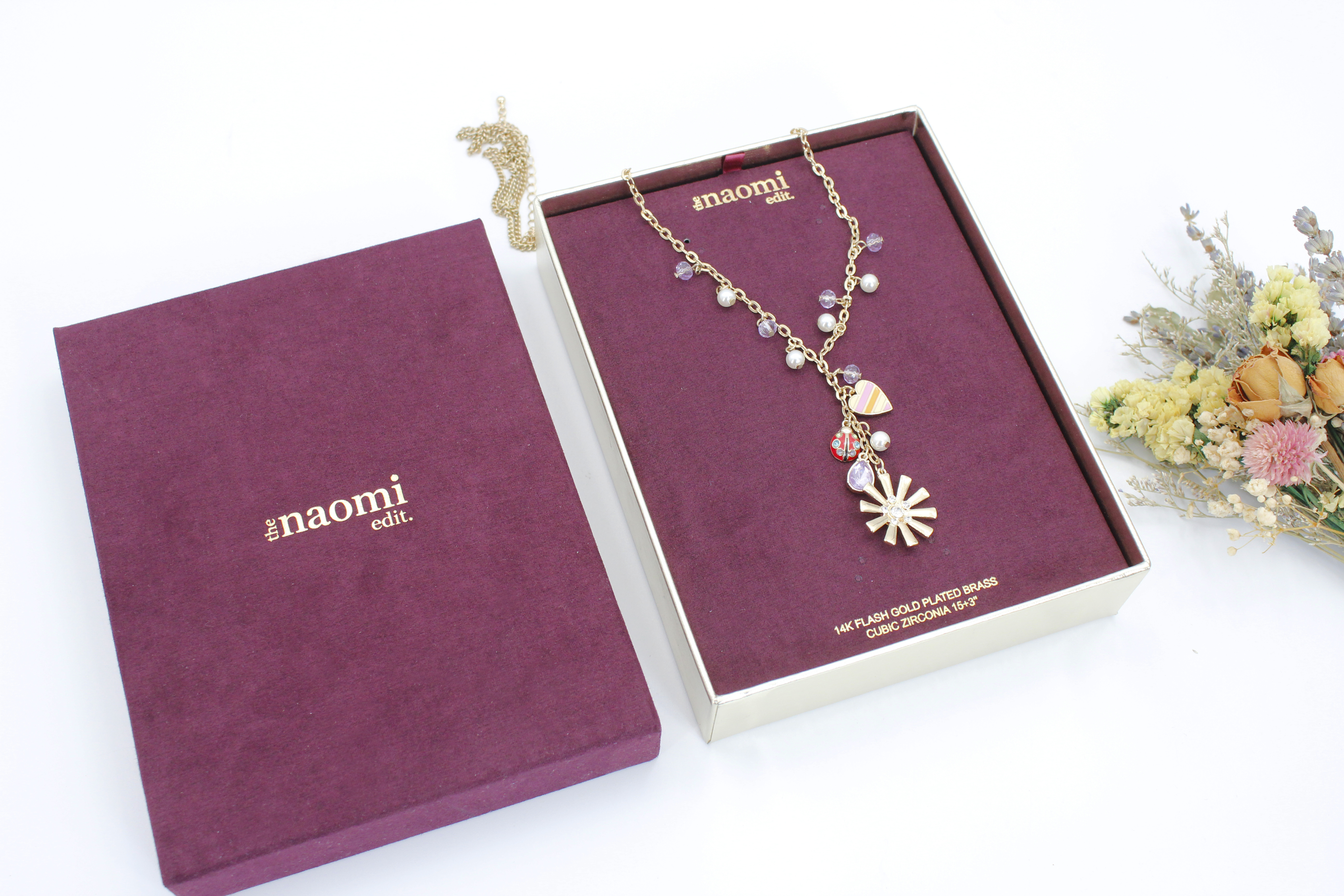
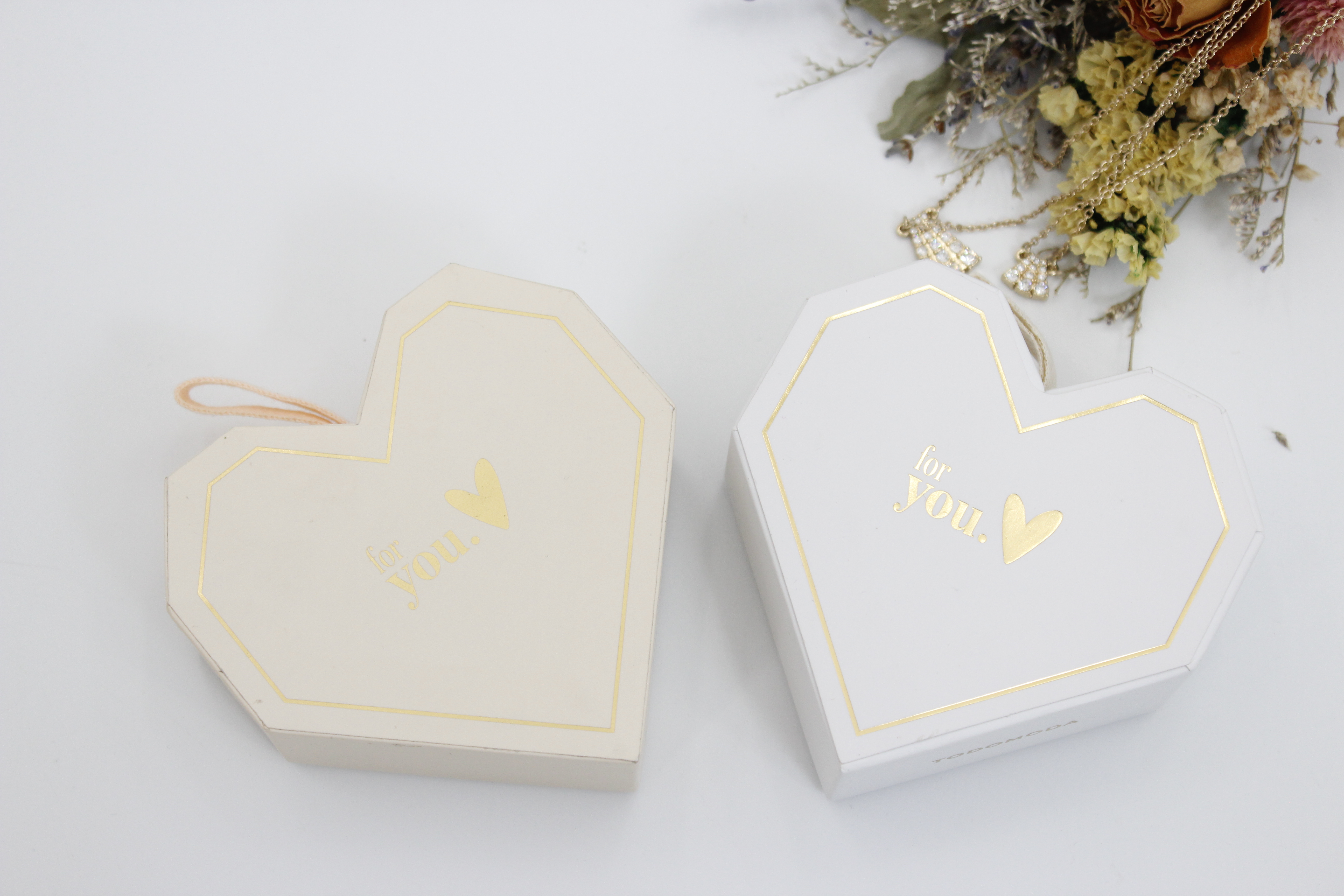
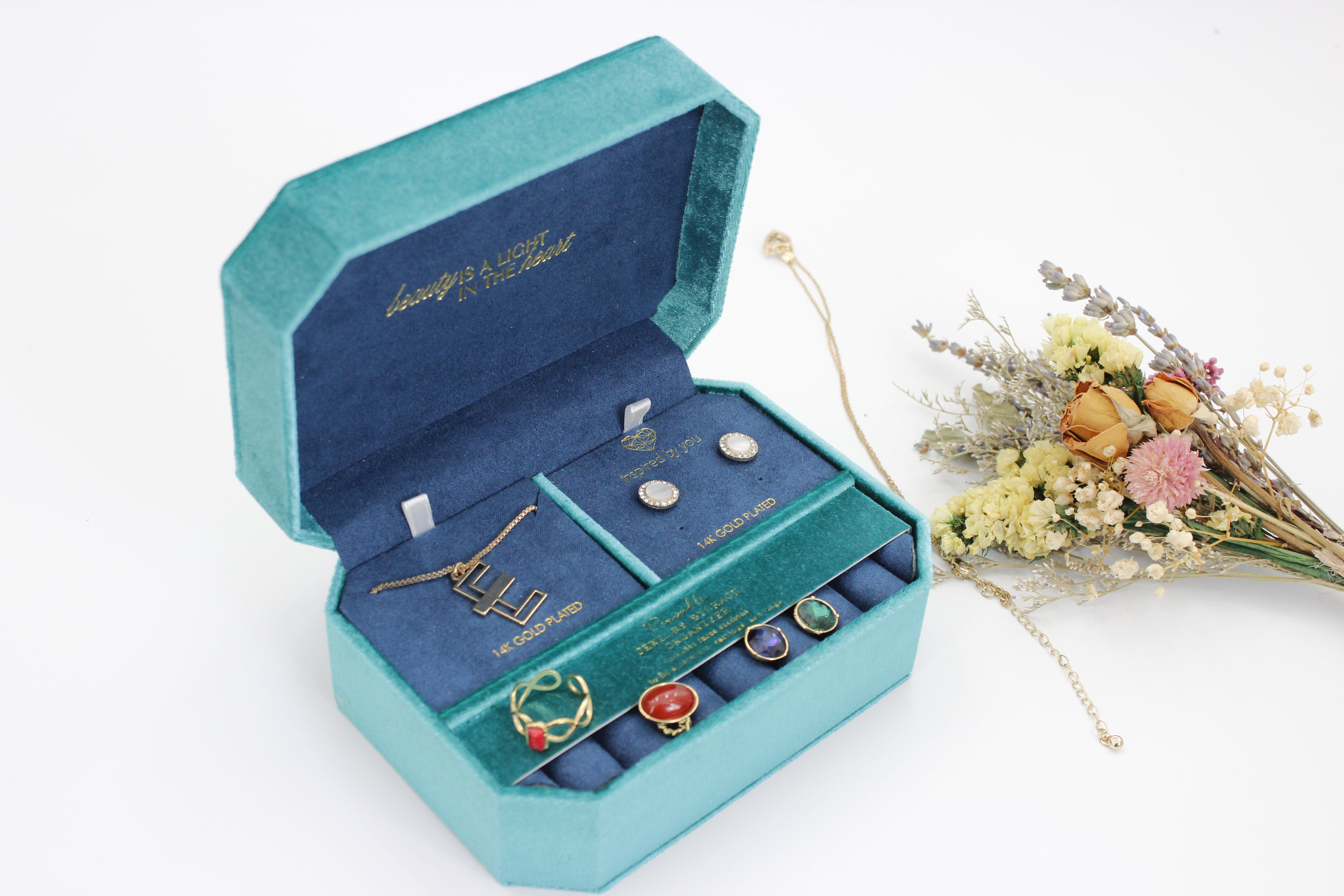
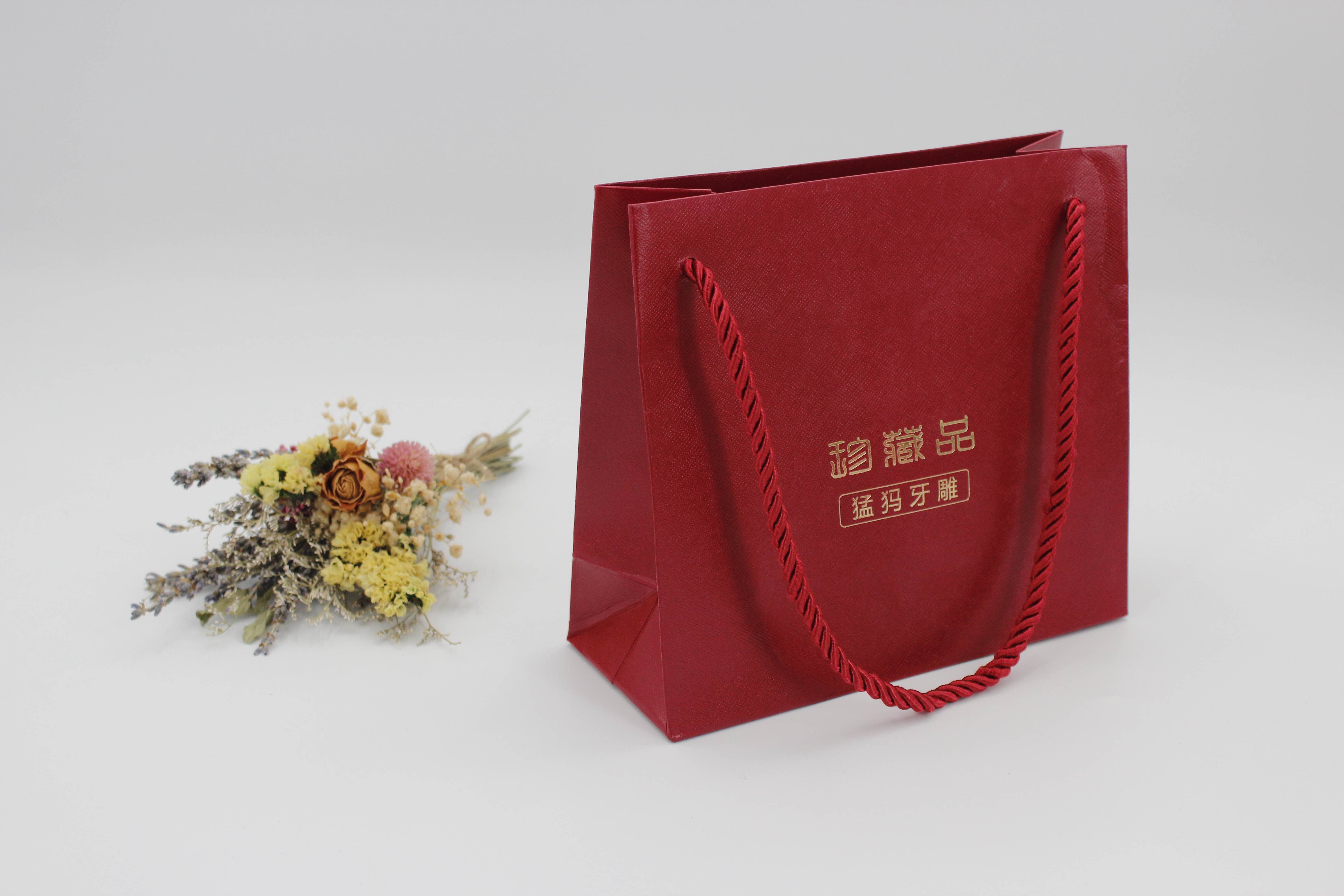
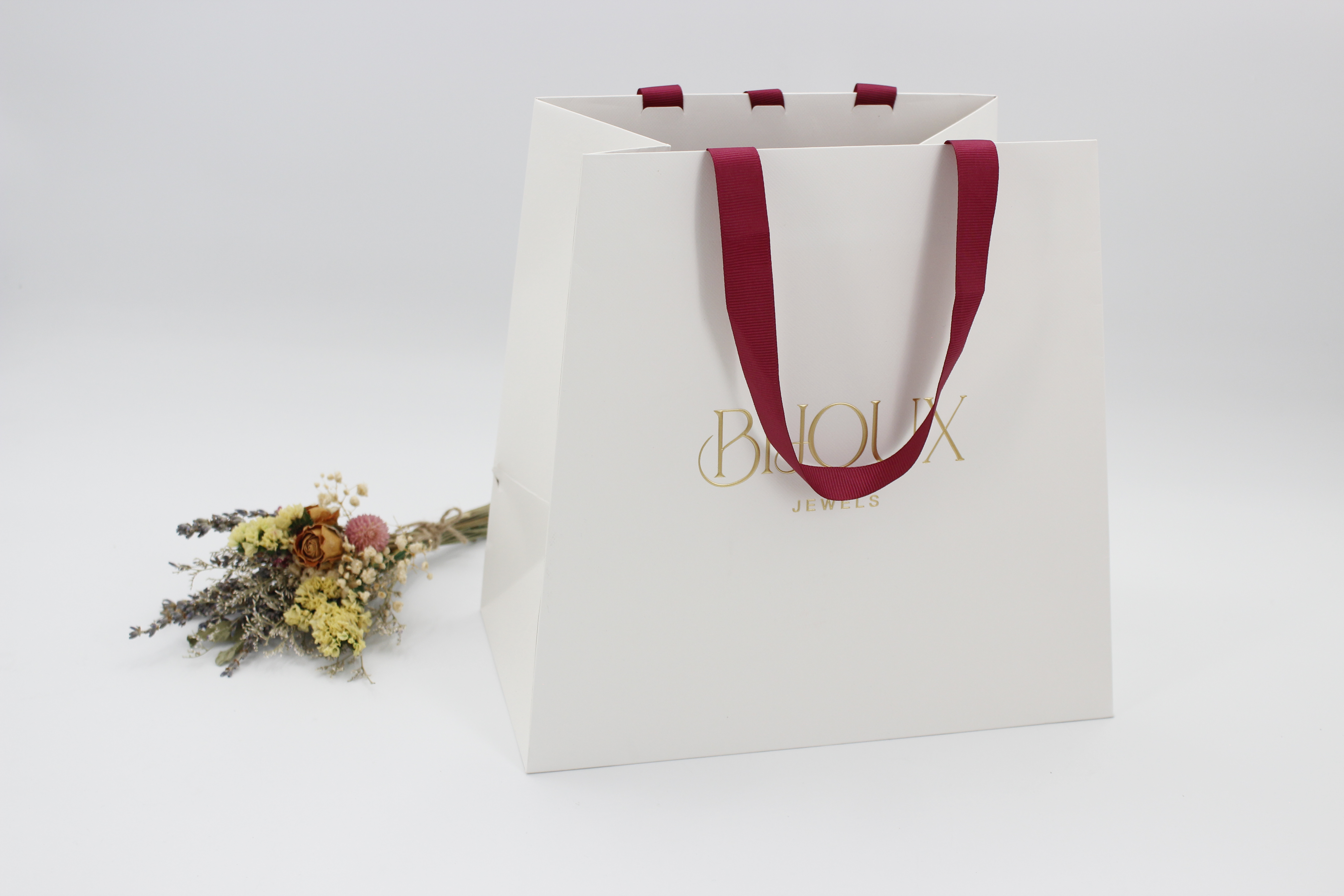
Industry data shows that 74% of consumers say packaging design influences their jewelry purchase decision, yet most brands still pick a jewelry box by habit rather than by strategy. Choosing the right jewelry box type is not just about looks; it determines protection, perceived value, production cost, and even supply-chain flexibility. Based on 18 years of custom packaging work at HAOSUNG PACKAGING, I’ll share 10 practical tips to help you select a jewelry box that fits your brand, budget, and 2026 sustainability goals.
Start with the material: the foundation of any jewelry box
Over 60% of jewelry damage during shipping is caused by inadequate inner padding, not by the outer shell, according to logistics claims we have reviewed. Many buyers focus on the outer finish first, but that is backwards. The box can look beautiful and still fail if the ring moves around in transit.
Step 1: Assess the weight and fragility of your jewelry. Rings and stud earrings need tight slots; pendant necklaces need hooks and soft channels. A heavy pendant in a shallow slot is a damage claim waiting to happen.Step 2: Choose inner padding first. Flocked paper pads are economical, while velvet over EVA foam gives a premium feel. In our quote comparisons, switching from cotton pads to custom EVA inserts adds about $0.08–$0.15 per unit but can reduce damage-related returns by a noticeable margin.
Step 3: Then select the outer material. Paperboard, leatherette, wood, and metal each change the price range and perceived quality. For a luxury jewelry box, leatherette boards with a metal hinge often feel more substantial than pure paperboard.
Hinge box or rigid box: knowing the structural differences in a jewelry box
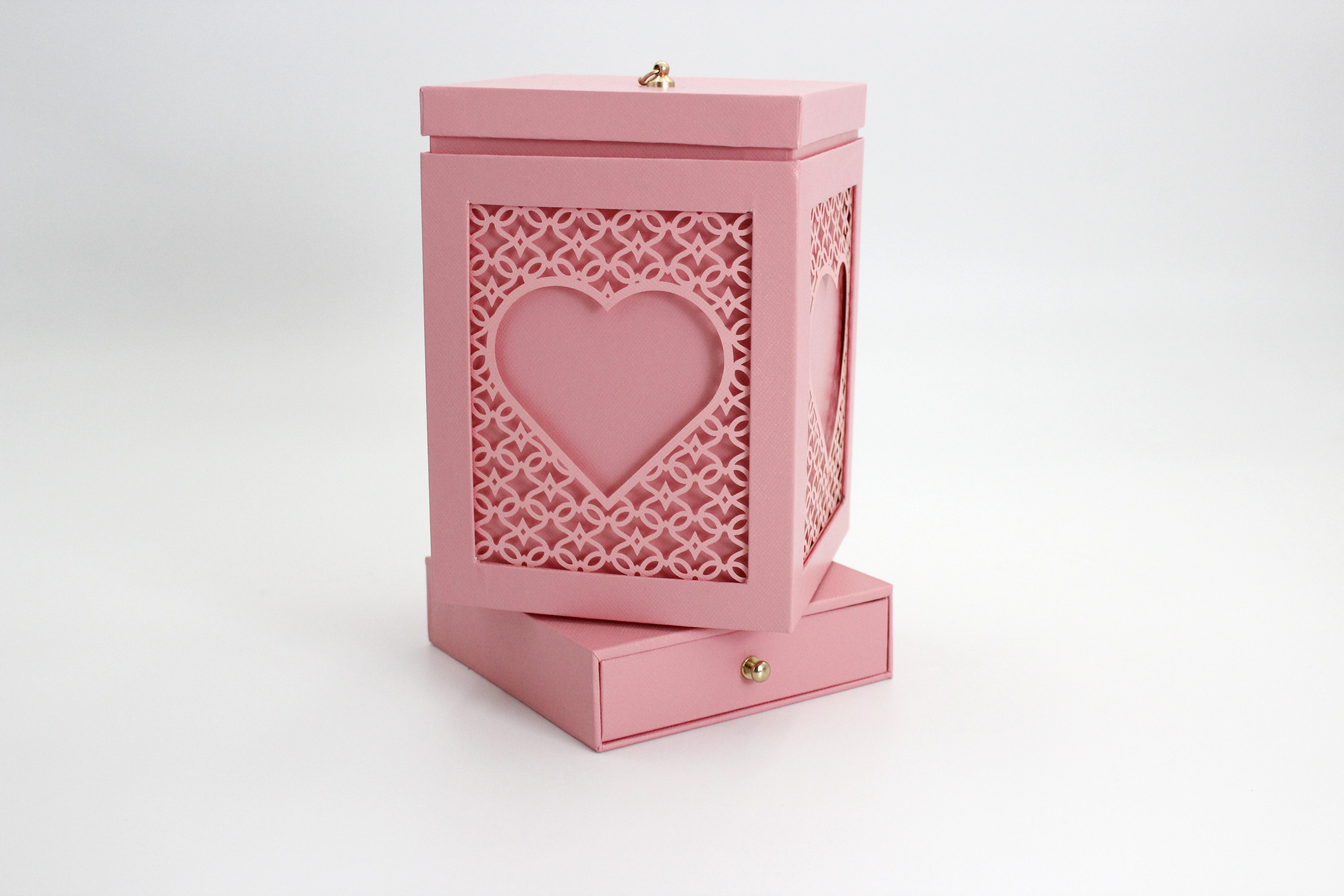
A hinged jewelry box costs roughly 15–20% more than a two-piece rigid box at the same size, but it improves perceived value and allows one-hand opening, which is critical for store displays. In bridal categories especially, the box becomes part of the ritual: a ring presented on a hinged cushion feels more intentional than a loose lid being lifted off.
| Feature | Hinged style (e.g., HAOSUNG hinge series) | Two-piece rigid style |
|---|---|---|
| Opening style | Flip-top with fixed hinge | Lift-off lid, separate base |
| Protection | High – lid stays aligned | Medium – lid can slide if fit is loose |
| Customization | High – deboss, hot foil, velvet interior | Medium – printed exterior, EVA inserts |
| Typical MOQ | 1 piece | 1,000 pieces at many traditional factories |
| Unit cost range | $3.2–$5.5 depending on material | $2.0–$3.8 depending on material |
| Best for | Rings, bracelets, necklaces, watches | Gift sets, multi-item packaging |
Step 5: Check hinge durability. Metal hinges with a rounded spine pass roughly 1,000 open-close cycles in our stress tests, while glued paper hinges often start to fail after about 200 cycles. That difference matters for premium jewelry that gets opened every day.
MOQ, customization, and certifications: key drivers when sourcing a jewelry box
Traditional jewelry box factories often set MOQs between 500 and 1,000 pieces, which forces young brands to over-order before they validate a design. HAOSUNG PACKAGING offers a MOQ of 1 piece, so you can sample a custom jewelry box for nearly the same cost as a single production unit. I have seen startups order 1,000 rigid boxes because a factory would not accept fewer; six months later they were stuck with stale packaging after changing their logo.
Step 6: Set your per-unit budget before starting the conversation. Include material, printing, assembly, and packaging. Custom design is another hidden cost: outsourcing one jewelry box design can cost $300–$700, whereas HAOSUNG includes free design with a packaging order.Step 7: Ask for a one-piece sample. A supplier that refuses a low-quantity sample will not be agile when your design changes. Testing before committing can save you from a costly wholesale order.
Step 8: Verify certifications. For North American and EU sales, FSC certification is the baseline; Sedex is often required by large retailers, and Disney ILS certification proves a high level of compliance. In our experience, fewer than 5% of Chinese packaging suppliers hold all three certifications.
Sustainability in jewelry box packaging: non-negotiable for 2026
By 2026, more than 63% of packaging buyers in Europe and North America will require FSC-certified or recycled materials for imported consumer goods, according to industry forecasts. A jewelry box without an environmental story is becoming a dealbreaker in luxury and DTC channels. The good news is that sustainable materials no longer have to look rustic: textured FSC paperboard, debossed logos, and water-based coating can look every bit as refined as conventional plastic-laminated finishes.
Step 9: Specify FSC-certified paperboard or recycled stock for the box and inner pads. This is a basic eligibility ticket for export sales, not a differentiator by itself.Step 10: Replace plastic lamination with water-based coating, or add a seed paper card as a decorative insert. One jewelry brand we supported added seed paper packaging and lifted social media engagement by 120%; another European jewelry brand improved its NPS by 35% after switching to a hinged jewelry box with velvet insert.
FAQ
Q: What is the minimum order quantity for custom jewelry boxes?
A: At HAOSUNG PACKAGING, the minimum order is 1 piece, while many traditional suppliers require 500–1,000 pieces. This helps independent designers and DTC brands test a custom jewelry box without heavy inventory risk.
Q: How can I tell if a hinged jewelry box is more durable than a two-piece rigid box?
A: Check the hinge mechanism and board thickness. Metal hinges with a rounded spine typically pass 1,000+ open-close cycles, while glued paper hinges often fail around 200 cycles. The right choice depends on your product weight and how often the box will be opened.
Q: Are eco-friendly jewelry boxes more expensive than conventional boxes?
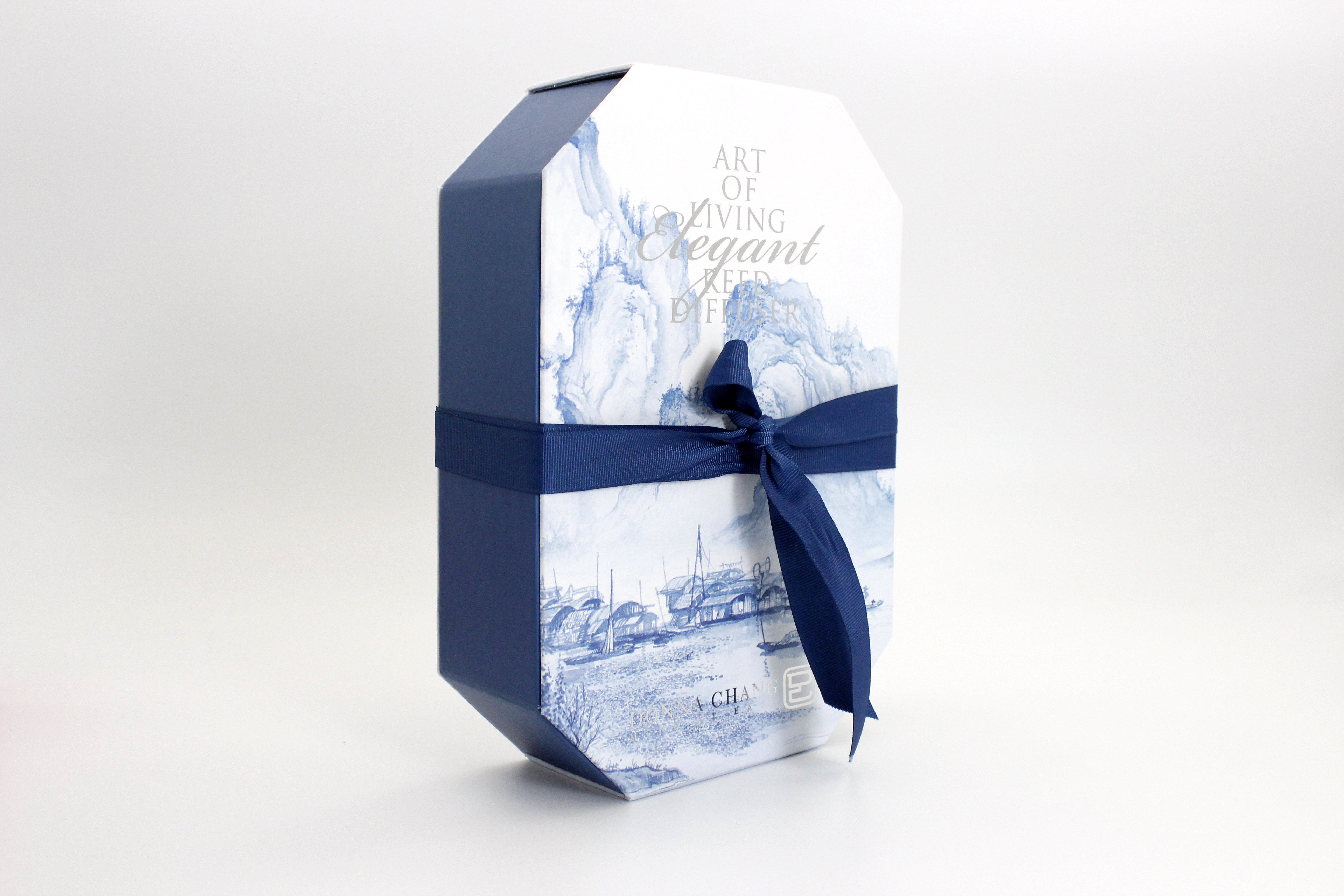
A: Eco-friendly materials can add 10–20% to per-unit cost, depending on the finish and inserts. However, they improve brand perception, support ESG reporting, and can become a marketing differentiator—especially when you use FSC-certified paper or seed paper cards.
Q: Can I get a free sample before bulk production of a jewelry box?
A: Some suppliers charge $50–$200 for samples; HAOSUNG offers free sampling for many designs and a MOQ of 1 piece for the first order. Always confirm whether the sample cost is deducted from the final order.
Q: What certifications should my jewelry box supplier have for export to North America or Europe?
A: At minimum, request FSC certification, a Sedex SMETA audit report, and relevant safety testing. If you serve entertainment or children’s markets, Disney ILS certification is a strong signal. HAOSUNG PACKAGING holds these certifications and can share supporting documents during sourcing.
Choosing a jewelry box is not a one-size-fits-all task. Start with inner padding, choose the right structure, challenge the supplier on MOQ and certifications, and keep sustainability on the table. In 18 years at HAOSUNG PACKAGING, I have seen brands waste money on oversized boxes while losing sales to packaging that felt cheap or arrived damaged. Use the 10 steps above as your checklist, and when you are ready, ask for a one-piece sample from a partner that can grow with you.