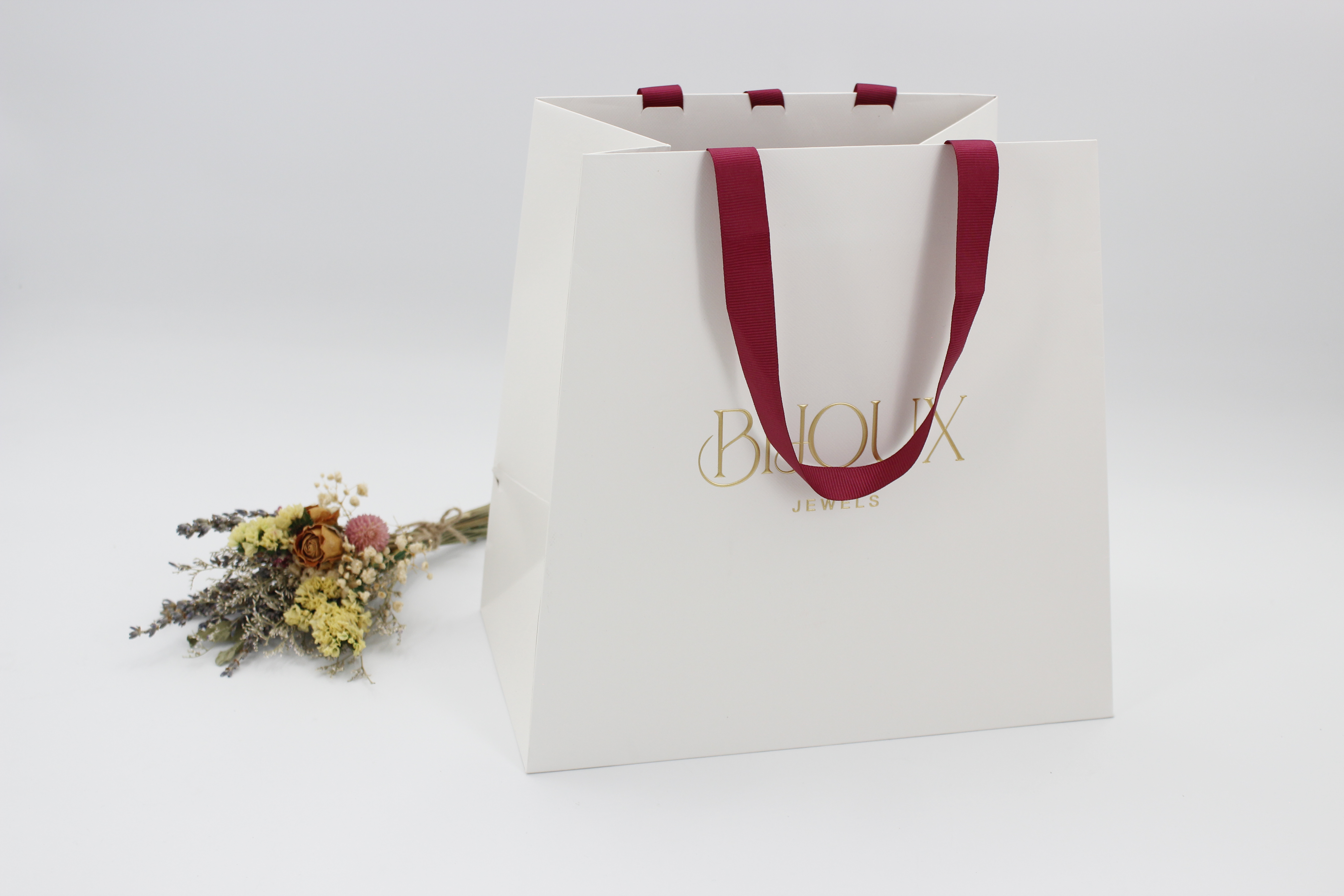
Jewelry packaging is a 60-second marketing campaign: the moment a customer lifts the lid of a jewelry box shapes their perception of the brand more than any advertisement they saw before the purchase. In one HAOSUNG PACKAGING project, a European jewelry brand raised its open-box NPS by 35% simply by redesigning the box structure and the velvet insert. Entering 2026, sustainability regulations and social-media unboxing have made the material choice even more strategic. Drawing on 18 years of production experience and a 154+ SKU portfolio, this guide covers 10 jewelry packaging material options—from rigid paperboard to plantable seed paper—and explains how to choose between them.
The Backbone: Rigid Paperboard & Folding Carton Jewelry Boxes
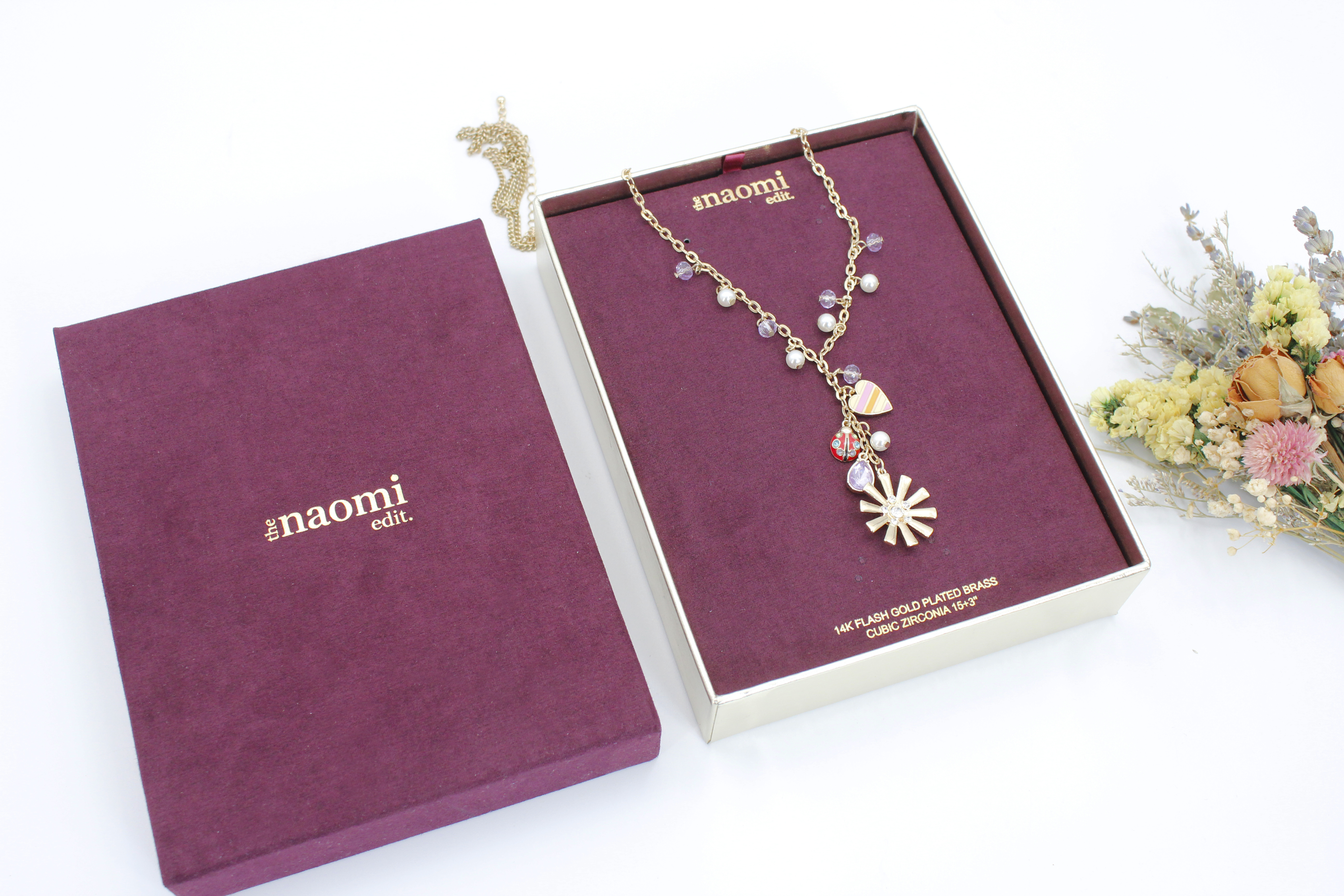
Rigid paperboard—often called a setup box or luxury box—remains the default structure for fine jewelry packaging. In HAOSUNG PACKAGING's production data, 70% of our paper box orders are rigid lid-and-base constructions, a ratio that mirrors how the wider jewelry market positions its hero SKUs.
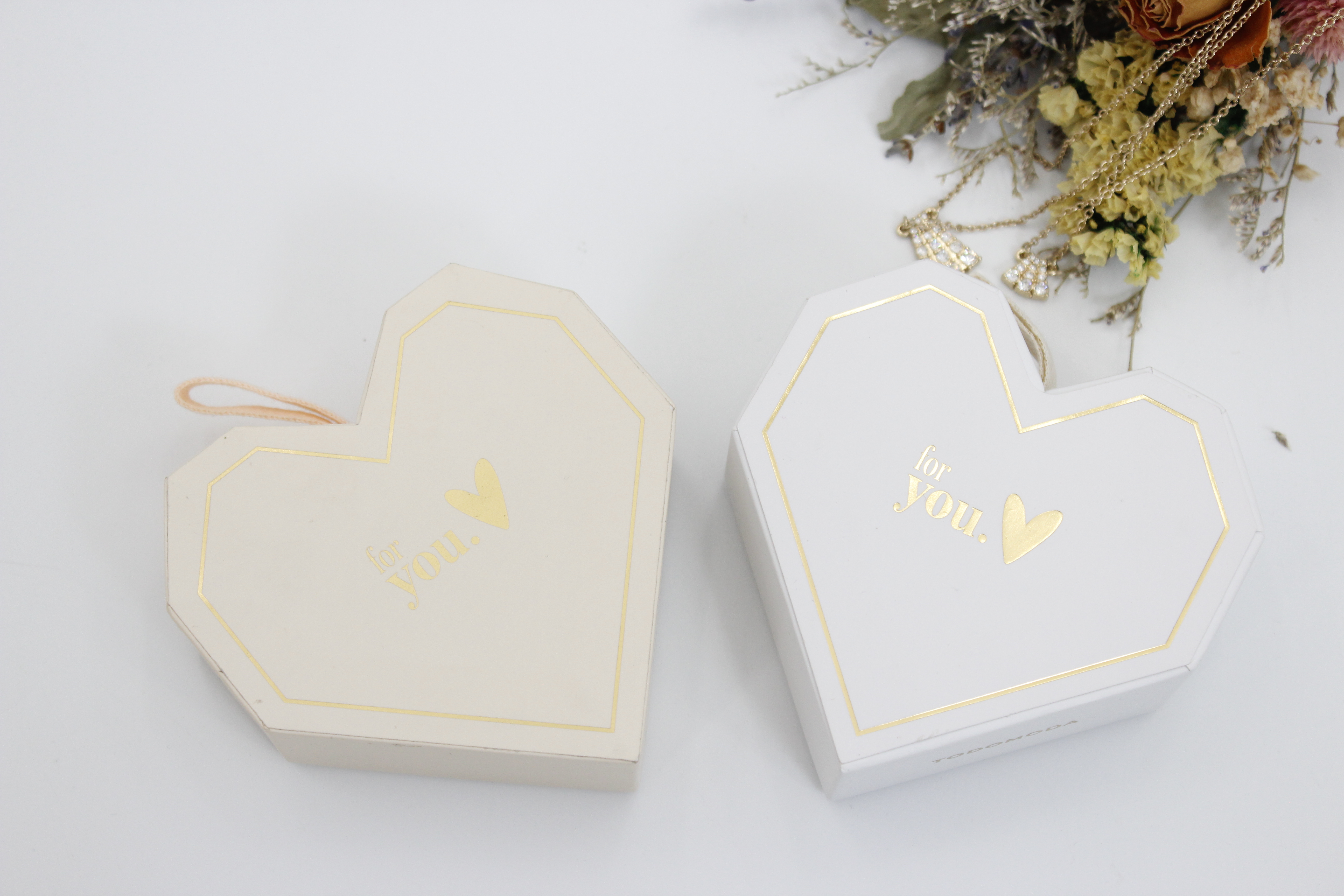
A rigid jewelry box uses compressed paperboard 2-3 mm thick, wrapped in printed paper, fabric, or laminate. It doesn't collapse in the hand, and that rigidity is an instant value signal. The practical alternative is a folding carton: it ships flat, lowers freight cost, and works well for mid-market or e-commerce-first lines. Industry data suggests folding cartons typically cost 30-50% less than rigid boxes at comparable run volumes, while delivering roughly 80% of the perceived premium if the lid includes a magnetic latch.
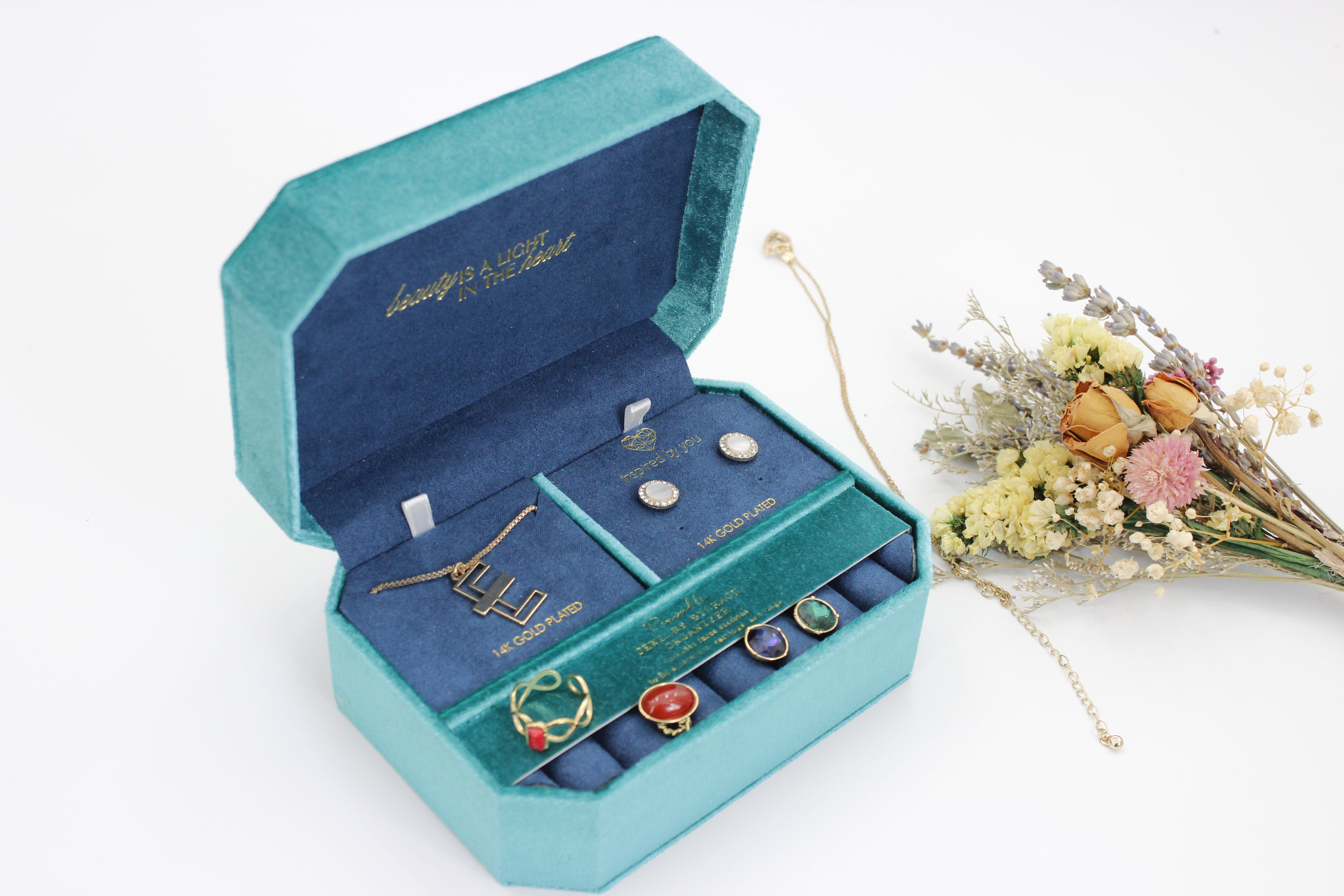
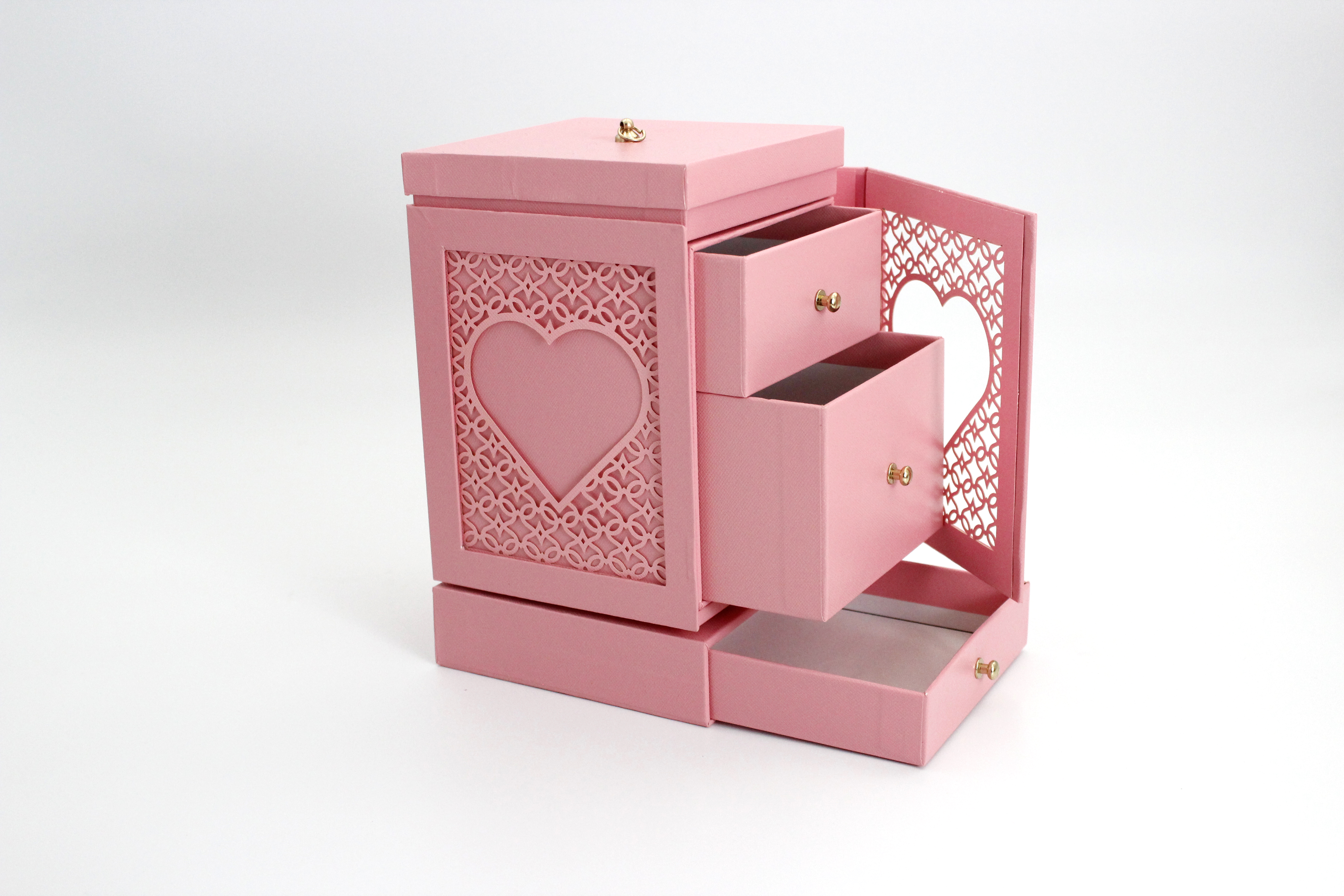
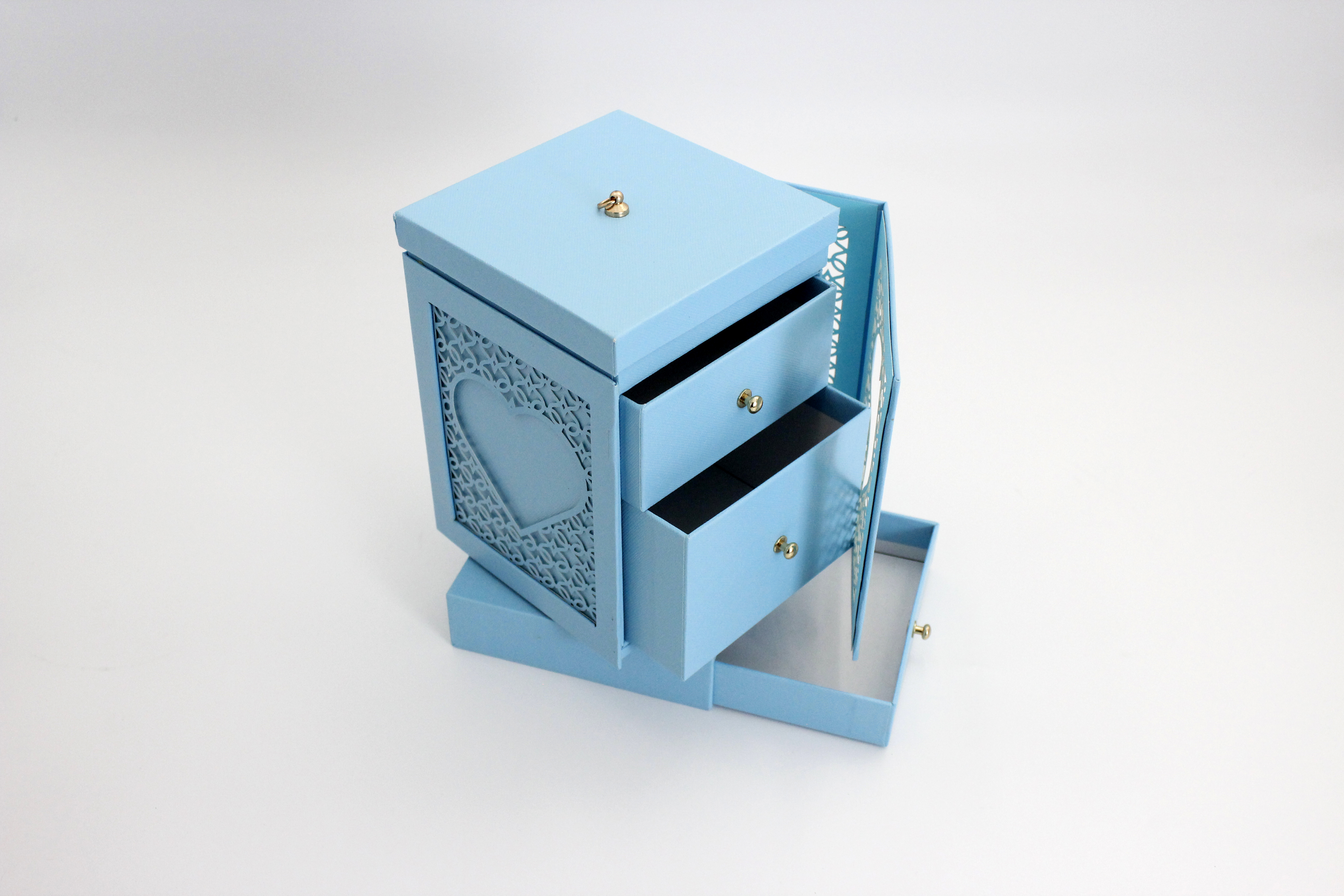
There are structural variations within the rigid category too. The lid-and-base box, known in Chinese factories as the 天地盖 style, is the workhorse. Hinged lid boxes—think of a book opening sideways—are a natural fit for rings and pendants because they open completely flat. Drawer boxes add an element of ritual: pulling out an inner tray from a sleeve creates a longer unboxing moment, which suits slower-paced, higher-value sales.
Step 1: decide your product's price point and retail channel before requesting quotes—this determines whether rigid or folding is the right starting point. Step 2: specify the interior (velvet, EVA foam, or PU leather) based on the jewelry's weight and fragility. Step 3: order a physical sample before finalizing print artwork; paper texture, hinge tension, and embossing depth cannot be evaluated from a digital mockup.
One extra tip from our production floor: a hinged lid with a mirrored underside adds perceived value at almost no structural cost—especially for pendant and ring cases.
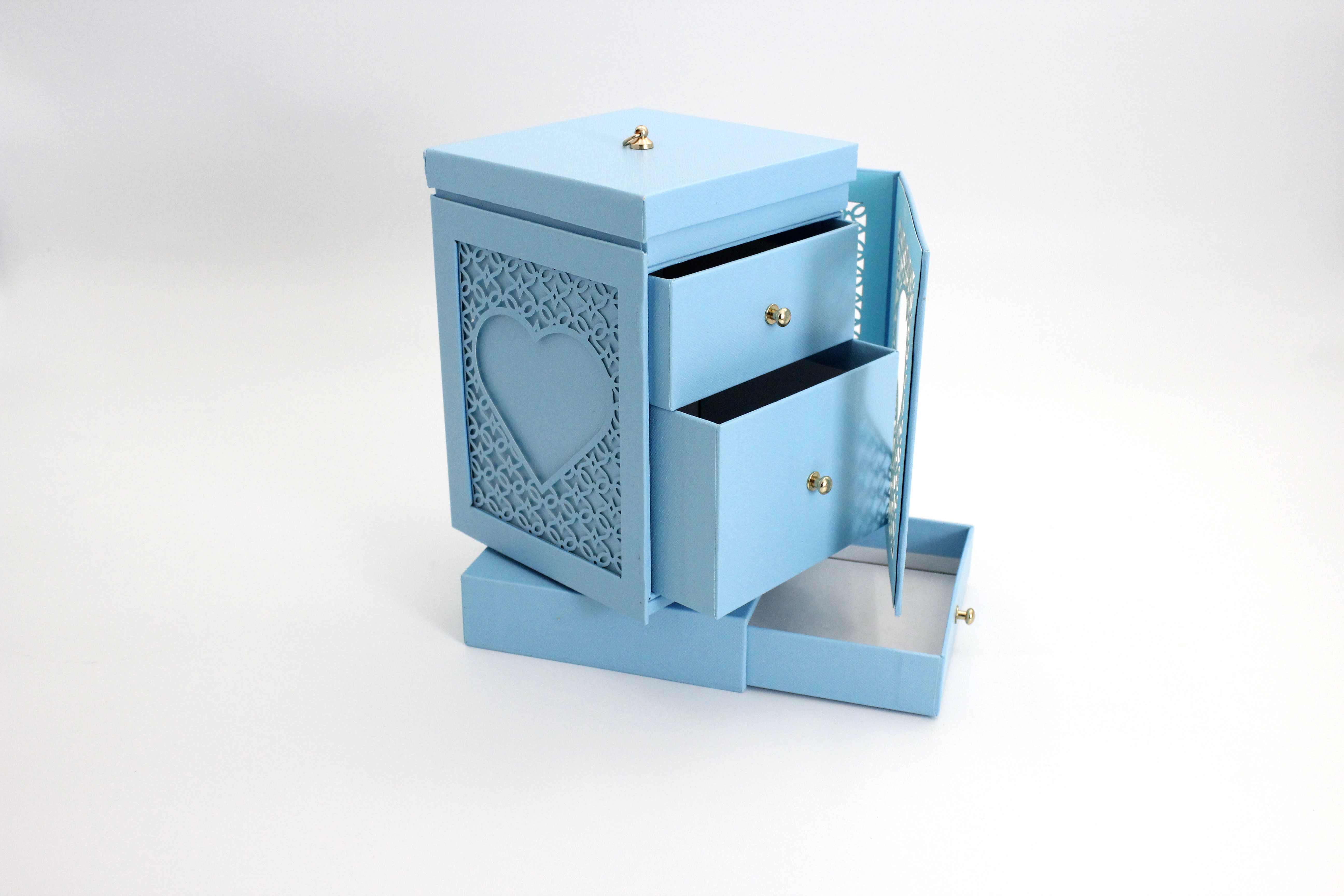
The Soft Touch: Velvet Liners & Fabric Pouches for Jewelry Packaging
The interior is the first physical contact a buyer has with your product, so velvet remains the default liner for rings, pendants, and earrings. In HAOSUNG's hinge-box category, velvet accounts for roughly 70% of orders, with EVA foam and other liners covering the rest—a split we see across the industry.
Velvet delivers the traditional luxury cue and photographs beautifully for social content, which is why many custom jewelry box orders specify velvet even when the outer shell is standard paperboard. For heavier pieces like bracelets, EVA foam offers better shock absorption and a more affordable cost per insert. Soft bags are the missing piece of the system: cotton-silk pouches, which make up 9 of our 28 soft-bag SKUs, work as gift-with-purchase options, travel companions, or secondary protection inside a hard box.
A practical rule for brands: use velvet inserts when the product's hero shot will be shot inside the box, and use EVA foam for multi-compartment sets where cushioning matters more than texture. One more thing I tell jewelry clients—don't underestimate the soft pouch as a secondary item. It extends the brand moment from the retail counter to the travel bag, and a consumer who keeps a pouch in her handbag is carrying your logo in public every day.
Premium Statements: Leather, Wood & Metal Jewelry Boxes
On the high end of the spectrum, natural materials create a stronger emotional connection, but the cost and supply-chain implications are real. A leather-wrapped jewelry box typically costs 2.5-3x a comparable rigid paperboard box at the same volume; a walnut wood box can run 4-5x. These are not mass-market options—they belong in bridal lines, limited collections, and heritage-brand storytelling.
Step 1: if using leather, choose between bonded and full-grain carefully; full-grain looks and ages beautifully but has inherent color variation you must communicate to customers. Step 2: for wood, request FSC-certified hardwood with an oil or wax finish instead of a PU coating—simpler end-of-life disassembly and a cleaner environmental profile. Step 3: metal boxes (tin or aluminum) protect contents more effectively than paper, but the shell scratches more visibly; pair them with a flocked or fabric interior so the outer surface never touches the jewelry.
My personal take, based on 18 years in this trade: metal and wood jewelry boxes sell better in physical retail than online, because the tangible weight and texture are hard to translate through a screen.
Modern & Transparent: Acrylic Jewelry Cases & Recycled Kraft
Acrylic and clear cases are the go-to for retail display and for jewelry brands whose collections are designed to be seen without opening. In HAOSUNG's inquiry trends, acrylic as the primary material has grown steadily since 2020, though it remains a small share of overall production in the jewelry packaging segment. The transparent shell is excellent for rings and earrings on a counter, but it faces one structural limitation: direct UV exposure can fade gemstones and certain metal platings over time.
Recycled kraft, by comparison, is riding a regulatory tailwind. The EU's PPWR requires all packaging to be recyclable by 2030, and we have seen recycled kraft and recycled-paper-based custom packaging requests grow from under 5% of inquiries in 2021 to roughly one-quarter of RFQs in 2025-2026. If you choose kraft, keep the interior simple: a separate pulp or paper insert, rather than molded plastic, preserves the mono-material recyclability story.
Paper choice affects print quality too. True recycled kraft has a rougher surface and absorbs ink differently than coated white stock, so plan your artwork for a matte, textured look rather than high-gloss CMYK. The good news: this visual style currently aligns well with the aesthetic of sustainable and DTC jewelry brands.
The 2026 Sustainability Shift: FSC-Certified & Seed Paper Options
By 2026, FSC certification is no longer a differentiator—it is an entry ticket for European retailers and ESG-conscious consumers. HAOSUNG PACKAGING holds FSC license C180570, and nearly every European-bound jewelry packaging project we produce now triggers an FSC chain-of-custody question. The certification itself adds little to the per-unit cost, but the sourcing discipline behind it matters during your client's supplier audit.
Seed paper adds another layer to the sustainability story. Our seed-embedded paper card line (8 SKUs) embeds real plant seeds into the pulp, so the consumer can soak the sheet after use and grow flowers from the packaging. One cosmetics client launched a seed card outer sleeve and generated 5,000+ organic social media posts within the first week. The mechanism is the same for jewelry: the packaging itself becomes content. We recommend pairing seed paper with a standard rigid box—the seed element works as a removable sleeve or insert, while the main box keeps structural integrity.
For global brands running layered print runs, watch color consistency: HAOSUNG controls batch color difference ΔE within 1.5, compared with the general industry standard of 3.0, which ensures the brand color stays consistent across seasons and factories.
Jewelry Packaging Material Comparison Table
| Material | Relative Cost | Protection | Eco-Profile | Recommended Use Case |
|---|---|---|---|---|
| Rigid paperboard | Medium | High | Moderate (recyclable if paper-wrapped) | Mainstream luxury packaging |
| Folding carton | Low-Medium | Medium | High (ships flat, fewer materials) | Mid-market & e-commerce |
| Kraft / recycled paper | Low | Medium | High (mono-material friendly) | Sustainable everyday collections |
| Velvet-covered box | Medium | High | Low-Medium (mixed fibers) | Premium ring & pendant lines |
| Cotton-silk pouch | Low | Medium | High (natural fiber) | Gift-with-purchase, travel |
| Leather / faux leather | Medium-High | High | Low-Medium (depends on tanning) | Heritage, ultra-premium editions |
| Wood (FSC-certified) | High | High | High (renewable, biodegradable) | Bridal, collector sets |
| Metal / tin | Medium | Very High | High (recyclable) | Heirloom or protection-first cases |
| Acrylic | Medium | Medium | Low (unless recycled acrylic) | Retail display, rings |
| Seed paper | Low | Low | Very High (plantable) | Outer sleeves, cards, inserts |
Reading the table from a purchasing angle, material choice should follow the product's retail price and audience expectations, not personal taste. A $30 fashion ring does not need a leather-wrapped shell; a $3,000 bridal piece does not belong in recycled kraft alone. In our experience, the smartest packaging strategies use two tiers: a rigid, higher-cost presentation box for the hero purchase, and a folding carton or pouch for lower-priced complements inside the same collection.
Frequently Asked Questions
Q: What is the minimum order quantity for a custom jewelry box?
A: Most traditional packaging factories set a 500-piece minimum per design. HAOSUNG PACKAGING offers a 1-piece sampling MOQ and production starts at low three-digit quantities, which means a small independent designer can validate packaging for a few hundred dollars instead of tying up thousands in inventory.
Q: How long does a custom jewelry box development cycle take?
A: A typical cross-border packaging project takes 45-60 days when the client and the factory are in different time zones, and most of that time is consumed by sample revisions. HAOSUNG's design team has 10+ years of packaging experience and a first-pass design approval rate of 85%, which shortens the iteration loop significantly. Our 7×24 English-speaking customer service also removes most of the time-zone friction.
Q: Does my jewelry packaging need FSC certification?
A: If you sell into European markets or want to work with ESG-regulated retailers, FSC certification is a practical requirement. The EU PPWR mandates that all packaging be recyclable by 2030, and buyers increasingly audit certification before onboarding a supplier. HAOSUNG PACKAGING holds FSC license C180570, covering the paperboard and paper stocks used in our rigid and folding box lines.
Q: Should I choose velvet or EVA for the interior of my ring box?
A: Velvet is the default for fine jewelry because it feels premium and photographs well, making it ideal for ring boxes where unboxing content is part of the marketing plan. EVA foam provides better shock absorption and a lower cost per insert, so it fits bracelets and multi-piece sets better. In our hinge-box line, velvet represents roughly 70% of orders; if you are unsure, start with velvet for the hero SKU and use EVA for secondary products.
Final Thoughts
The packaging choice is a supply-chain decision disguised as a branding decision. The material determines how the product is perceived, how safely it travels, how it performs in the disposal stream, and what it costs per unit. In 2026, the baseline expectation is recyclable or FSC-certified materials; the differentiator is the unboxing experience your packaging creates. Start with your price point and channel, request early samples, verify certifications before you sign an order, and treat packaging as part of the product—not as an afterthought. HAOSUNG PACKAGING has produced every material type listed in this guide, and our engineers can recommend a specific jewelry box construction for your product line.