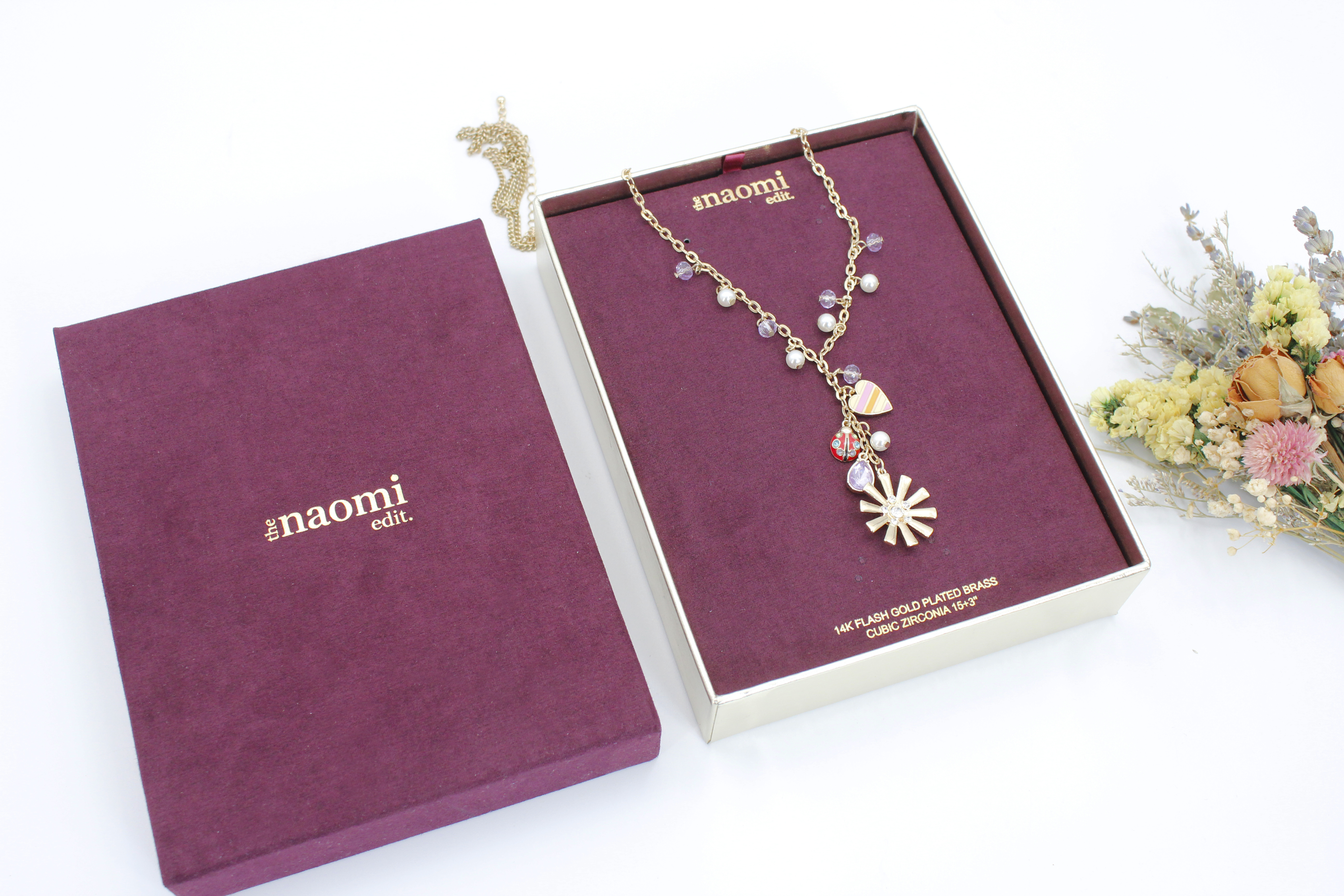
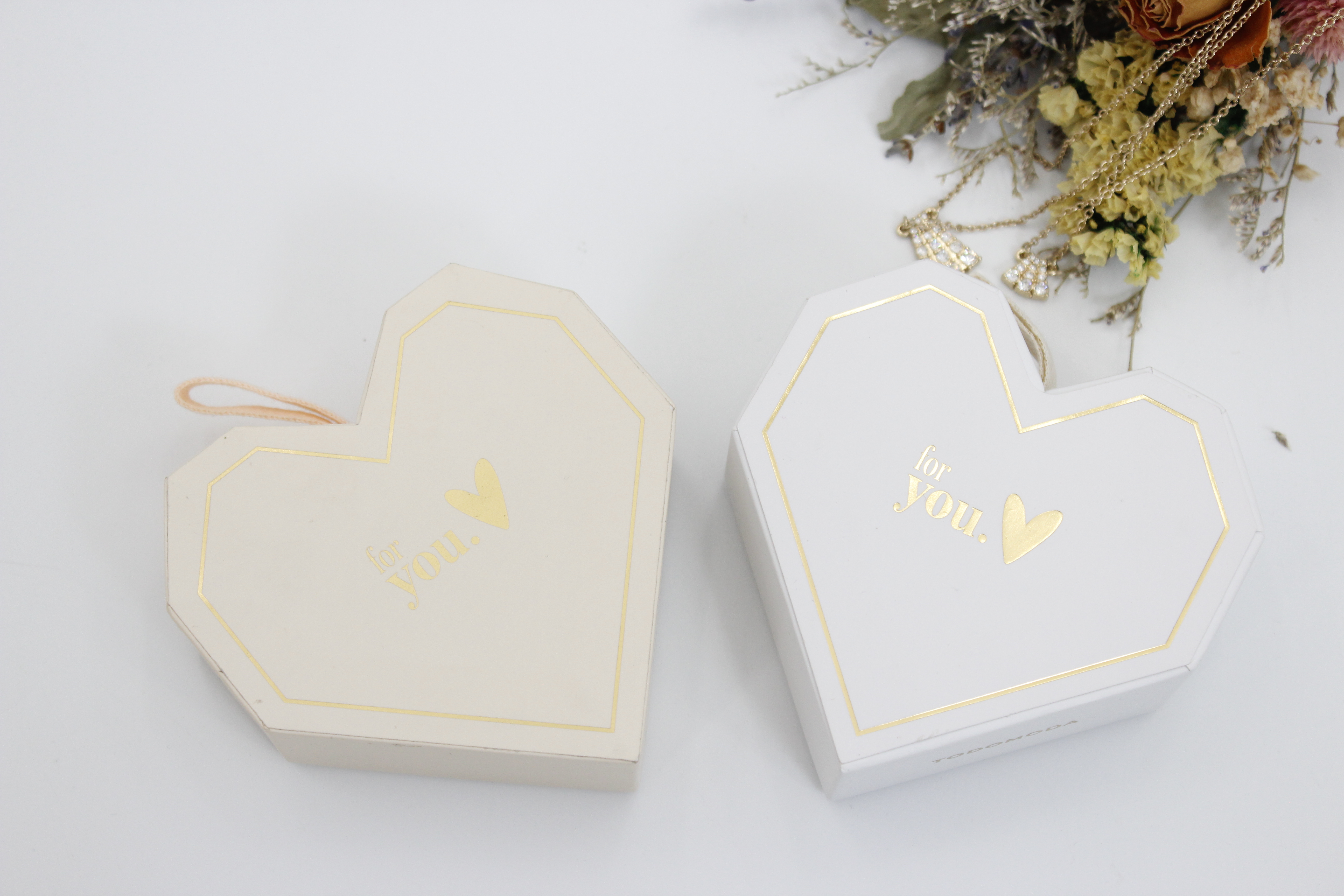
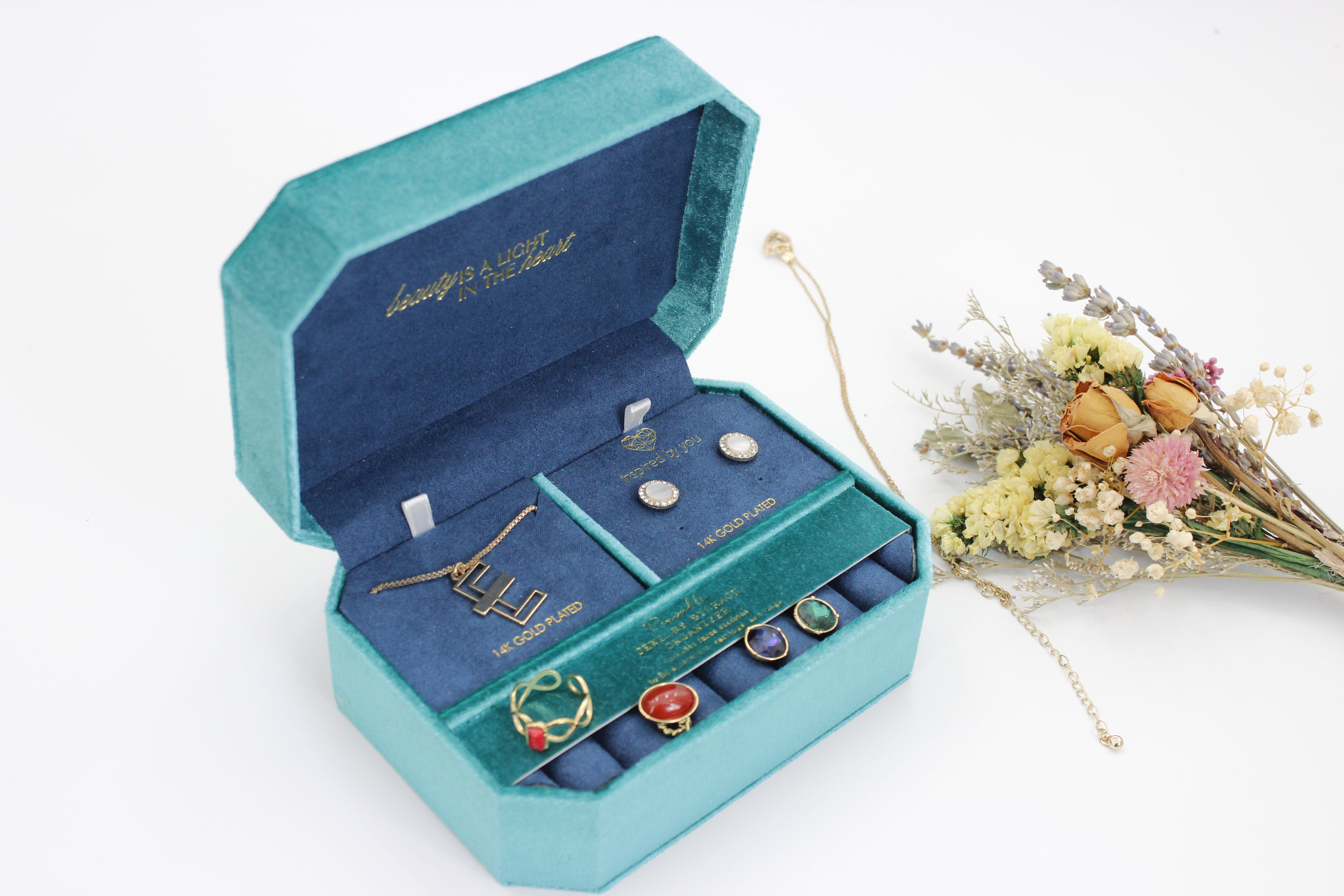
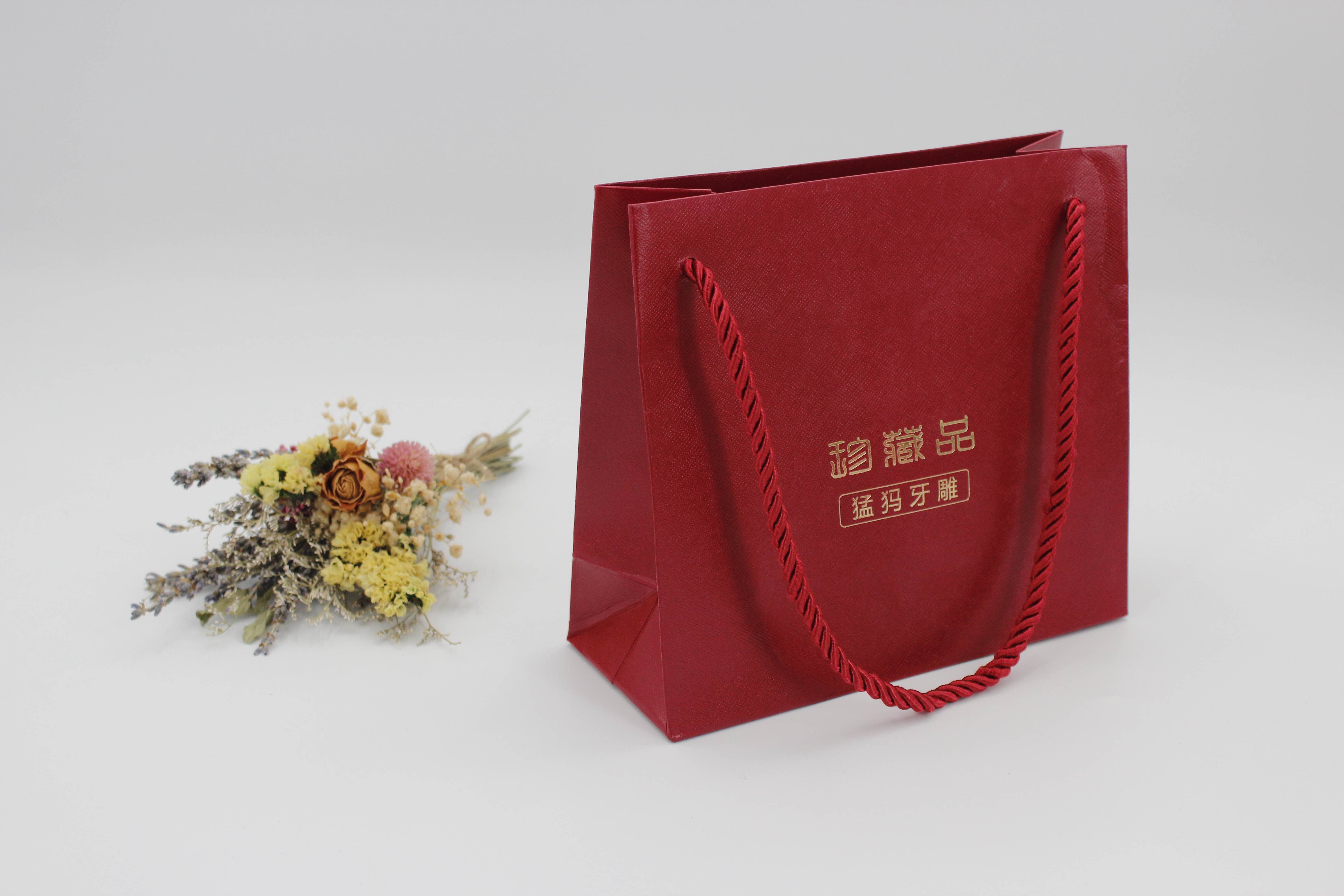
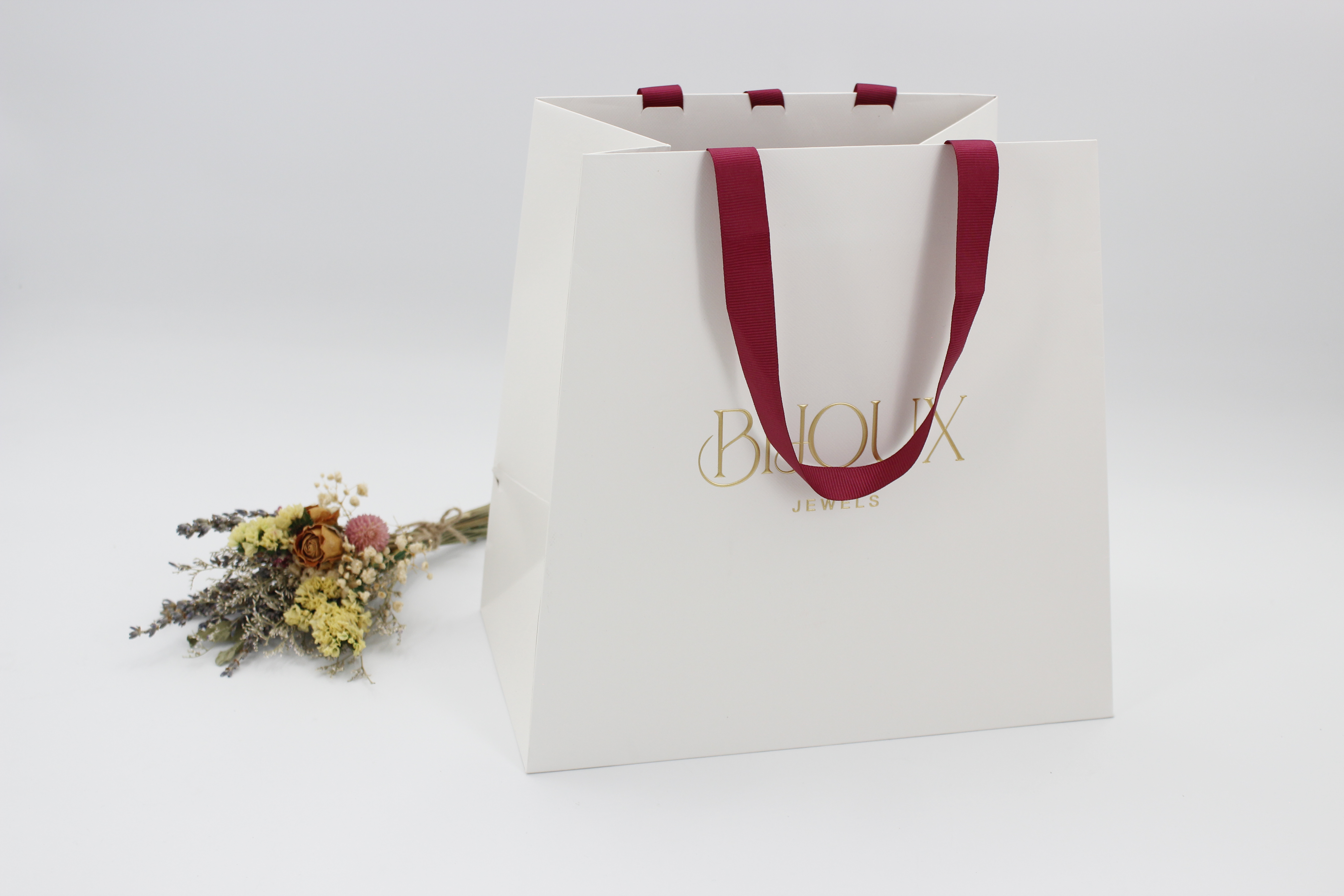
According to a 2025 packaging survey, 67% of premium jewelry consumers say the unboxing experience directly influences their perception of the brand. Yet many jewelry brands still rely on generic boxes that fail to create lasting impressions. In 18 years of producing custom jewelry boxes at HAOSUNG PACKAGING, I have seen five recurring mistakes that cost clients both margin and brand trust. These tips below are based on real orders, internal factory data, and industry benchmarks for any custom design jewelry box project.
Tip 1: Choose the Right Box Structure for Your Jewelry Type
According to a 2025 consumer study, 61% of jewelry buyers are more likely to trust a brand if the jewelry box has a solid hinge-lid design. From our 18 years at HAOSUNG PACKAGING, we recommend using a hinge-lid box for smaller items like rings and earrings, because the lid stays open and adds a sense of ceremony. For bracelets and necklaces, a drawer box or a two-piece rigid box with a foam slot works better. We currently produce 22 hinge-lid jewelry box SKUs, ranging from 2-inch ring boxes to larger necklace trays. The rule is simple: match the structure to the product’s shape and weight to prevent shifting during transit.
Tip 2: Prioritize Certified Materials and Eco-Friendly Options
At least 40% of small Asian packaging suppliers do not hold FSC certification, and that is a disqualifier for most premium jewelry retailers in the US and Europe. FSC-certified paperboard and wood are now baseline requirements, not differentiators. HAOSUNG PACKAGING holds the FSC certificate (FSC-C180570) and offers a range of eco-friendly materials, including seed paper cards and fruit paper. One cosmetics client who adopted seed paper cards saw a 120% increase in social media interactions, and their packaging became a talking point at trade shows. For a jewelry box, we suggest using FSC-certified rigid paperboard for the base and velvet made from recycled fibers for the insert. This combination cuts carbon footprint by roughly 28% compared with conventional materials, while maintaining a premium feel. Below is a quick comparison of common jewelry box materials.
| Material | Cost per unit (USD) | Durability | Eco-friendliness | Common applications |
|---|---|---|---|---|
| FSC rigid paperboard + recycled velvet | 2.5 – 5.0 | High | Fully recyclable | Hinge-lid and two-piece boxes |
| Non-certified cardboard + PU leather | 1.8 – 3.5 | Medium | Limited recyclability | Entry-level jewelry packaging |
| FSC wood (walnut, maple) | 8.0 – 20.0 | Very high | Renewable but heavier | Luxury gift sets |
| Metal or brass | 10.0 – 30.0 | Very high | Not always recyclable | Limited edition premium boxes |
Tip 3: Leverage Finishing Techniques That Elevate Perceived Value
A 2024 packaging perception test by a European research group found that foil stamping and spot UV printing increase the perceived value of a jewelry box by 34% relative to matte uncoated boxes. That perception-based lift allows brands to support a higher price point without increasing the actual cost of the jewelry. In practice, we advise clients to use these techniques selectively—on the logo, brand name, or a geometric line—because over-finishing can make the box feel busy. HAOSUNG PACKAGING uses German Heidelberg presses and automated die-cutting lamination, which helps keep design-to-sample fidelity above 95%. A typical custom jewelry box with foil stamping and spot UV costs around $3.5 to $6.2 per unit in small batches, compared with $1.8 for a plain box.
Tip 4: Don’t Neglect Inserts and Cushioning
Industry data reveals that improperly designed inserts account for 15-20% of initial production rejects in high-end jewelry packaging. The insert not only cushions the jewelry, but also prevents the box from being crushed under stacking. HAOSUNG PACKAGING designs custom EVA inserts and velvet pads for rings, earrings, bracelets, and necklaces, and we test each prototype under drop pressure. One European jewelry brand we supplied redesigned its ring box insert with a custom-cut EVA pad and reduced in-transit breakage by 30% within two months. Our free sampling service lets you verify material fit before placing a bulk order.
Tip 5: Plan for MOQ and Lead Times to Avoid Costly Delays
Traditional jewelry box factories typically require a 500-1000 piece minimum order quantity, which can create a USD 3,000-5,000 inventory burden for a new brand. That model locks up cash and slows down product iteration. HAOSUNG PACKAGING changes the game with a MOQ of just 1 piece, allowing independent designers, DTC brands, and small startups to test prototypes without committing to bulk inventory. To provide a concrete comparison: a conventional packer might charge a $500 tooling fee and demand a 30-day lead time for 500 boxes; HAOSUNG often delivers a sample in 5–7 days and mass production in 15–20 days, with no separate tooling fee for standard designs. This flexibility cuts the client entry barrier by over 90%.
Frequently Asked Questions
Q: What is the minimum order quantity for custom jewelry boxes at HAOSUNG PACKAGING?
A: Our MOQ starts at 1 piece, which makes it feasible for designers and start-ups to request samples and small batches before scaling. This is a core advantage when you want to test a packaging concept without high upfront risk.
Q: How long does it take to design and produce a custom jewelry box?
A: For standard structures, our free design team can deliver a layout in 2–3 days. Physical samples usually take 5–7 days, and mass production takes 15–20 days depending on quantity, materials, and finishing techniques.
Q: Do you offer FSC-certified and eco-friendly materials for jewelry boxes?
A: Yes, HAOSUNG PACKAGING holds the FSC certificate (FSC-C180570) and regularly works with seeded paper, recycled velvet, and biodegradable rigid board. Clients can weave these materials into their ESG reporting.
Q: Can you match a specific Pantone logo color on a luxury jewelry box?
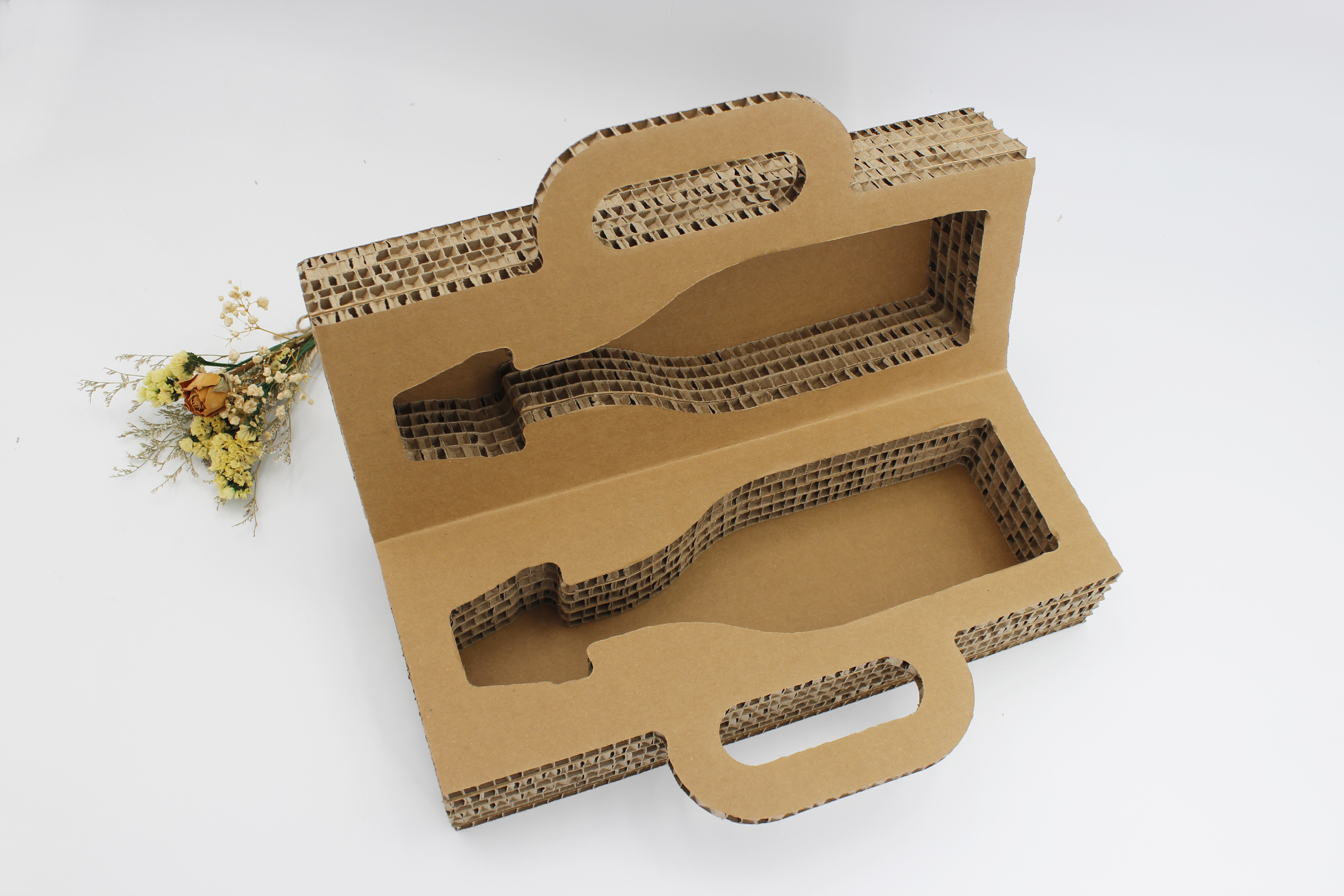
A: Yes, we use Pantone spot-color printing, along with foil stamping, UV spot varnish, and embossing, to reproduce brand colors and logotypes with accuracy. We recommend requesting a proof sample for color approval as the first step.
To summarize, the five non-negotiables for custom jewelry box design are: correct structure, certified materials, smart finishing, protective inserts, and flexible order thresholds. In 2026, sustainable customization will move from a nice-to-have to an industry standard, so asking about certifications and material traceability now will save you from switching suppliers later. Begin your project by auditing your current packaging—weight, dimensions, unboxing experience, and costs. At HAOSUNG PACKAGING, our team has 18 years of packaging experience and a platform-based supply chain designed to help you deliver a jewelry box that matches your brand promise. If you’re ready to test a prototype, our MOQ of 1 piece makes it easy.