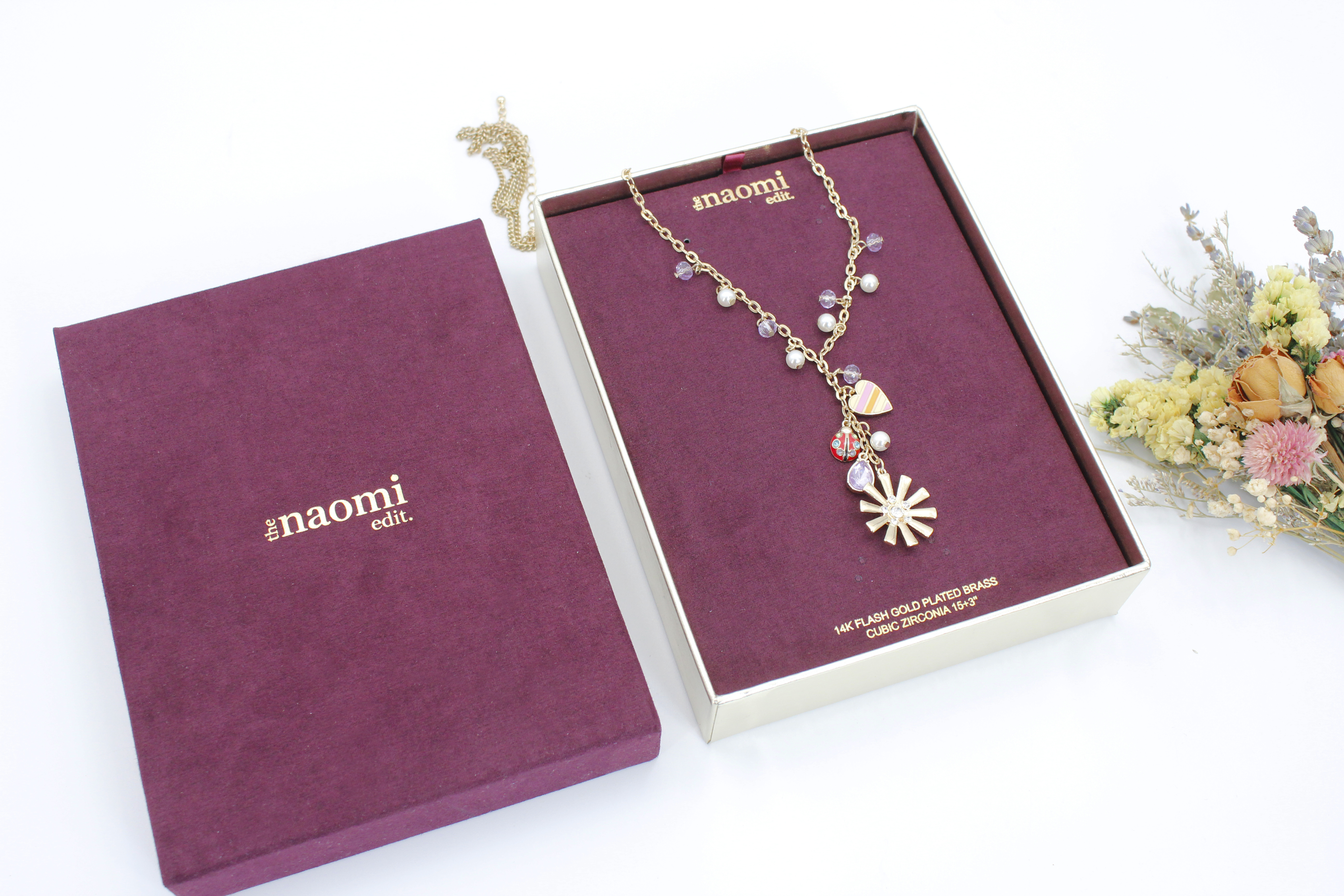
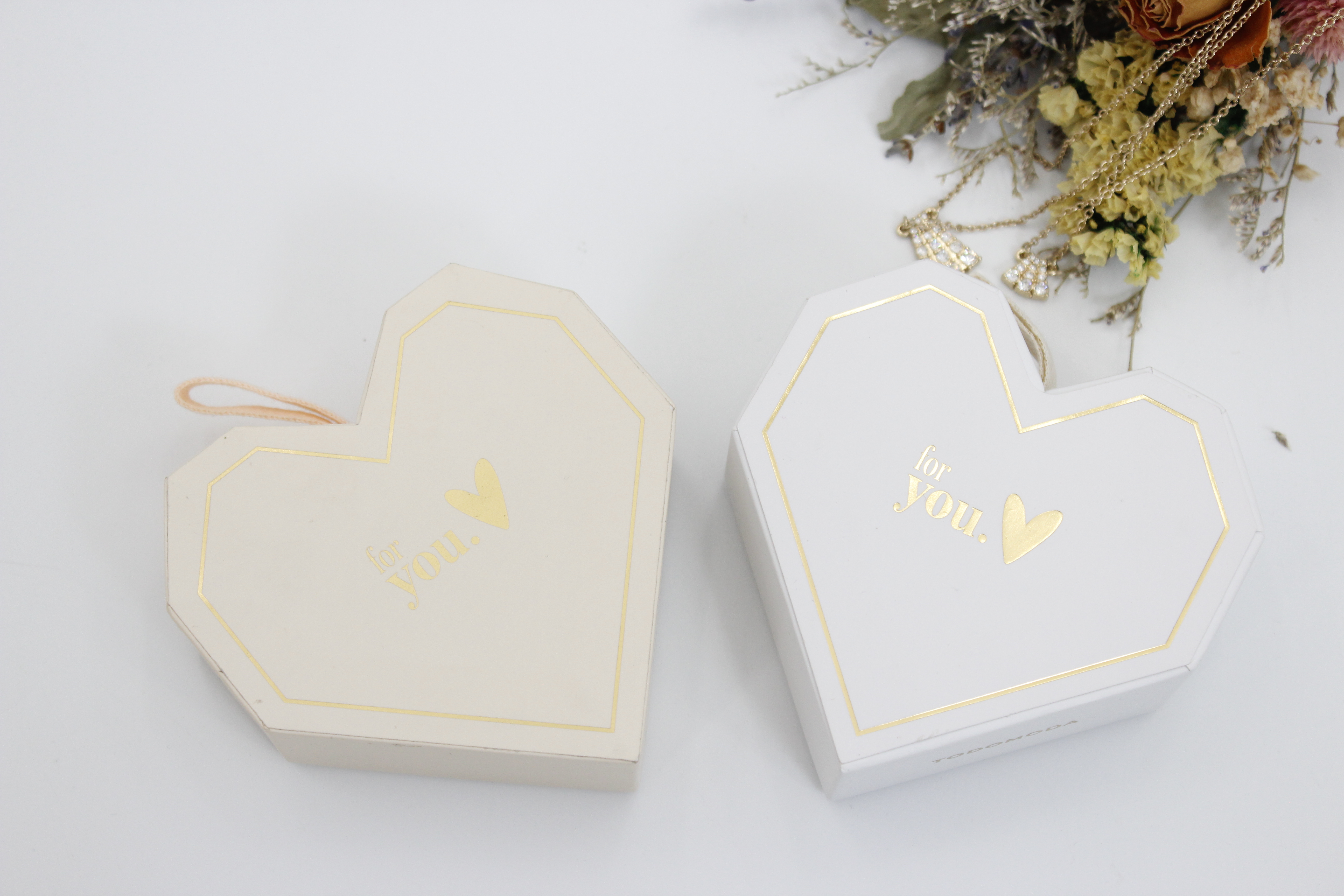
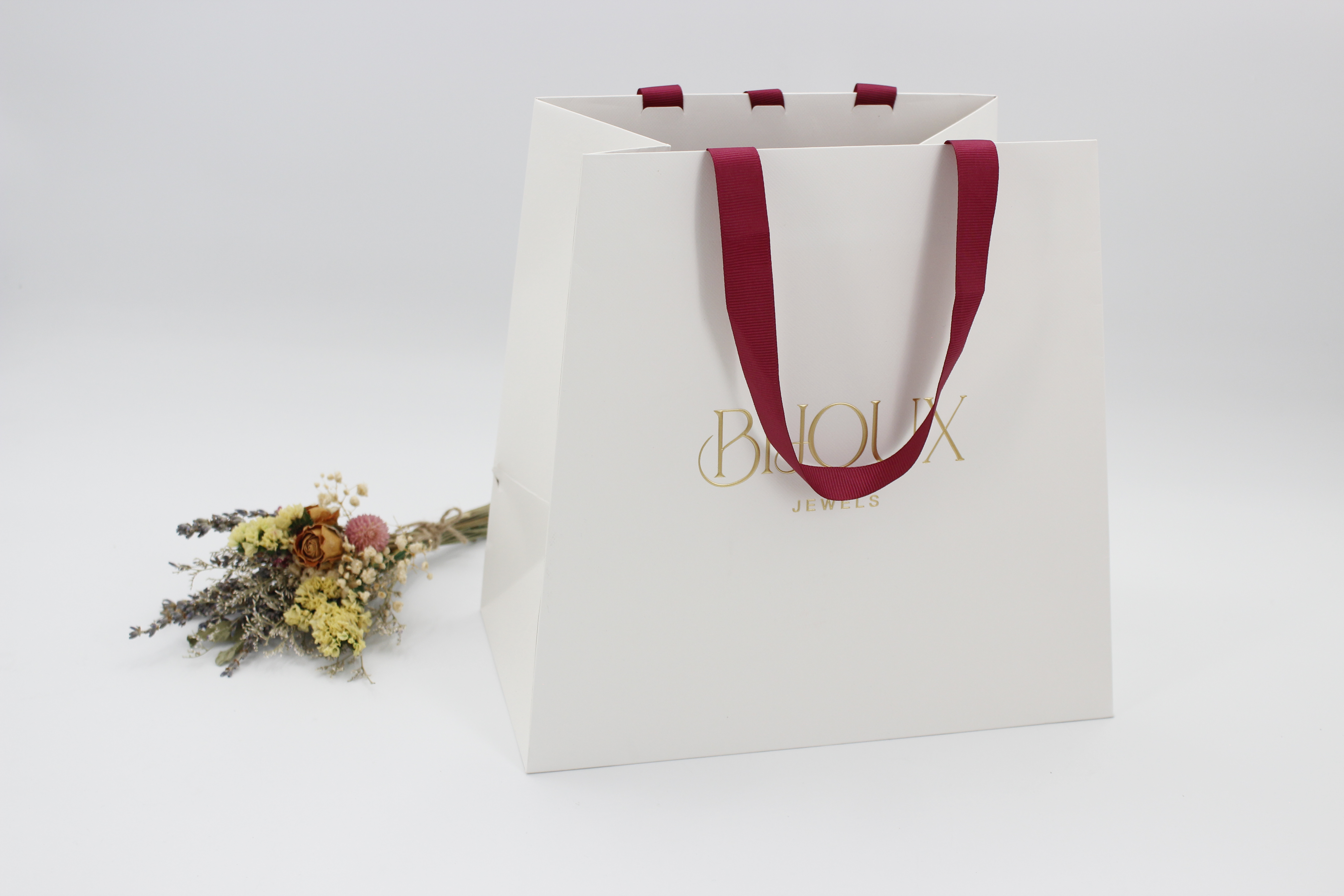
Industry projections indicate that the global jewelry packaging market will keep expanding at roughly 4% per year through 2026, and much of that growth is happening at the display case level. Jewelry display cases are the first physical handshake between a customer and a brand; a well-designed jewelry box can change perceived value more than the product itself. This guide breaks down 10 jewelry display case types that buyers, brand owners, and packaging teams should know, comparing materials, cost, lead time, and supplier certifications. HAOSUNG PACKAGING has spent 18 years manufacturing across these formats, and the notes below come from production experience rather than catalog definitions.
Countertop Display Cases and Hinged-Lid Jewelry Boxes (Types 1–3)
Hinged-lid boxes represent a major subcategory in HAOSUNG PACKAGING's 154+ SKU portfolio, with 22 stock designs dedicated to rings, bracelets, necklaces, and watches. These display cases combine protection with a satisfying open-and-close ritual, which is why jewelers have trusted them for generations.
Type 1: Hinged-Lid Ring Boxes. The classic flip-top ring box is the default choice for engagement rings and bridal jewelry. In our experience, a correctly made ring box uses 1.2–1.5mm rigid paperboard wrapped in PU leather or textured paper, with a metal hinge that tolerates daily use. This is a demanding jewelry box format to manufacture—if the hinge sits off by a fraction of a millimeter, the lid looks crooked and the whole batch reads as low-end.
Type 2: Countertop Glass Display Cases. Physical retailers use transparent cases to let customers view multiple pieces without opening individual boxes. The critical specs are glass thickness, usually 4–8mm, lock quality, and internal lighting. Because these units involve metal, glass, and wiring, they are usually purchased from a different supplier than the custom packaging manufacturer. That separation complicates procurement, which is why some retail groups prefer a packaging partner that coordinates the full display set.
Type 3: Watch Display Cases. Watches need angled cushioning, not flat padding, to present the dial face at a readable angle. A typical single-watch case uses a PU foam pillow with a suede cover, angled between 15 and 30 degrees, inside a rigid box. The common buying mistake we see at HAOSUNG is specifying a standard ring-box depth—the watch crown then presses against the lid and damages the piece in transit.
Drawer, Book-Style, and Multi-Compartment Jewelry Boxes (Types 4–6)
Design outsourcing for a single packaging concept in China typically costs CNY 2,000 to CNY 5,000, according to industry rates, which is why brands often choose drawer-style and book-style rigid boxes that can be ordered in small volumes with fewer design revisions.
Type 4: Drawer-Style Jewelry Boxes. A drawer box slides open from the side, creating a slower, more ceremonial unboxing than a lift-off lid. HAOSUNG PACKAGING produces drawer boxes with full-bleed color printing, spot UV, and foil stamping. Tooling costs run slightly higher than a standard lid-bottom box, but the structural rigidity gives a heavier, more premium feel per gram of material.
Type 5: Book-Opening Jewelry Boxes. Book-style cases open like a hardcover, often with a magnetic or ribbon-close mechanism. This is the format that museums and auction houses favor for display catalogs and certificate holders. In production volumes below 500 units, a book-opening jewelry box commonly costs 15–25% more than a drawer box of the same dimensions, because spine construction requires hand operations that cannot be automated.
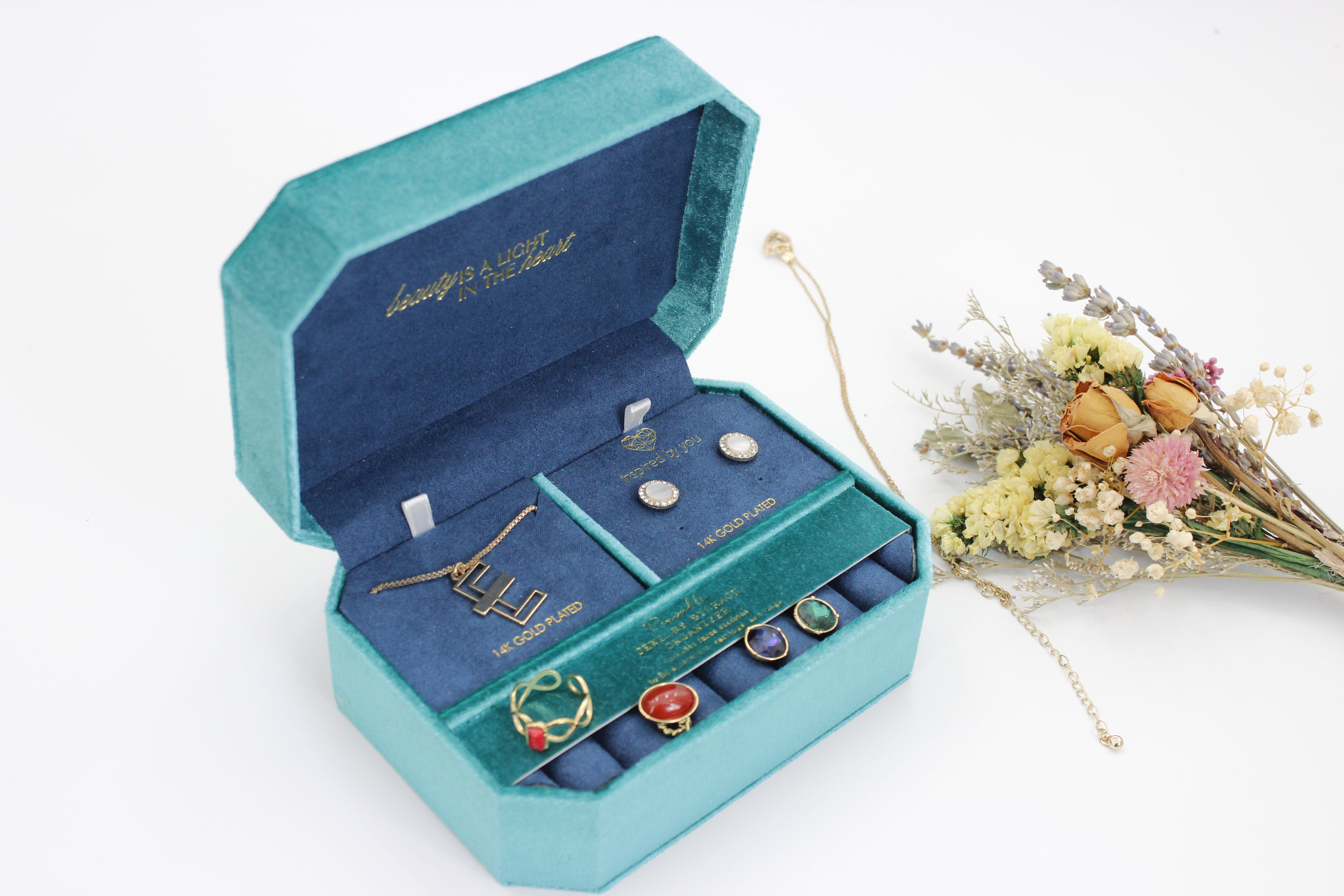
Type 6: Multi-Compartment Organizer Cases. Customers with multiple pieces need a case that stores rings in one row, earrings in another, and a watch slot on top. Multi-compartment organizers typically hold 12–48 pieces and are the hardest category to source cheaply because the internal trays are custom-cut. A poorly designed tray wastes 20–30% of the interior space, so brands should request a free sample before committing to carton-quantity orders.
Travel, Eco-Friendly, and Soft-Pouch Display Solutions (Types 7–10)
Eco-conscious jewelry box designs using seed paper cards have helped one cosmetics client increase social media engagement by 120% and multiply organic sharing by 3 times, according to case records at HAOSUNG PACKAGING. These formats also cater to consumers who prioritize sustainability and travel convenience.
Type 7: Travel Jewelry Cases. Compact and padded, travel cases are built for airline luggage and handbags. They use soft dividers or zippered compartments instead of rigid trays to absorb shock. Frequent travelers usually prefer soft-sided cases over metal clamshells, which can trigger extra airport screening.
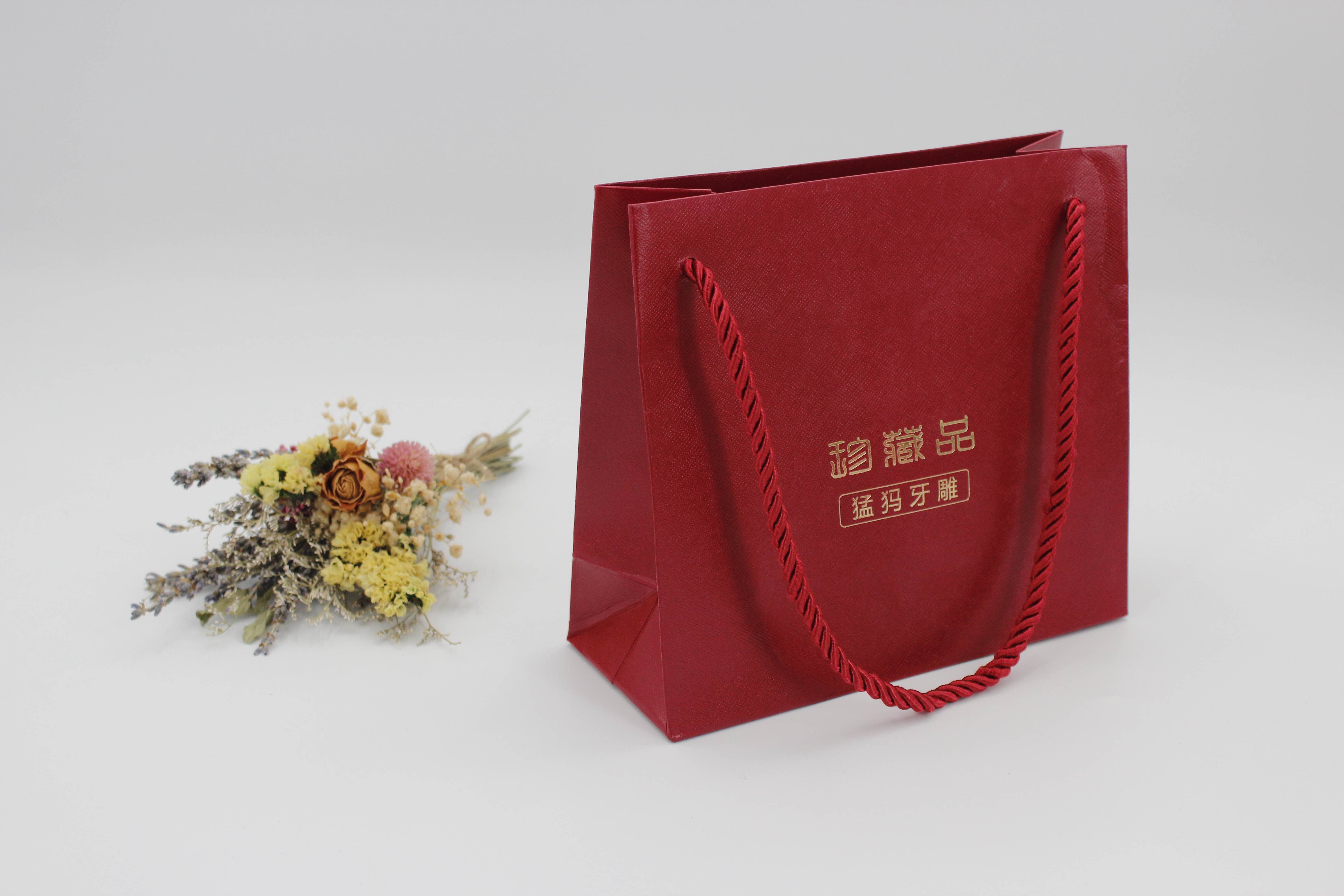
Type 8: Necklace and Bracelet Display Pads. For high-rotation retail, individual boxes can get expensive; display pads let customers handle pieces quickly. Pads are usually paired with soft pouches as the takeaway layer. HAOSUNG offers 28 soft bag SKUs—cotton, velvet, and festive themed—that complement display pads without inflating per-unit costs.
Type 9: Eco-Friendly Display Boxes. FSC certification is the base entry ticket for exporting packaging to North American and EU markets, and HAOSUNG holds FSC-C180570. Eco-friendly display boxes go beyond recycled board: they include seed paper cards that customers can plant and Fruit Paper made from agricultural residue. These materials degrade naturally and give a brand a measurable ESG talking point for annual reporting.
Type 10: Gift Set Display Boxes. Gift set display boxes combine a rigid outer case with soft pouches, and they are the format that often intersects with regulated categories such as CBD. For North American markets, child-resistant features matter: HAOSUNG has 19 dedicated child-resistant packaging products, and fewer than 5% of Chinese packaging suppliers hold the required CRP credentials. A combo case with a faux leather outer shell and a sealed inner pouch can satisfy both display needs and safety regulations.
How to Choose the Right Jewelry Display Case: A Step-by-Step Guide
The industry-standard MOQ for custom jewelry boxes is 500 to 1,000 units, but flexible manufacturers offer 1-piece sample orders that let brands test before committing. HAOSUNG PACKAGING operates with an MOQ of 1 piece, which has lowered the entry threshold for startup jewelry lines by more than 90% compared with traditional suppliers.
Define the retail context. Ask whether the case will sit on a countertop, inside a shipping carton, or in a customer's handbag. Each context demands different materials and structural strength. A countertop display must resist UV light; a shipping box should pass a 1-meter drop test; a travel case needs soft dividers.
Check materials, certifications, and compliance. If you export to the EU or North America, verify FSC certification (HAOSUNG holds FSC-C180570), Sedex SMETA social compliance, and any child-resistant rules that apply to your product. Roughly 40% of small packaging suppliers are screened out in formal vendor reviews because they lack these credentials, so checking early prevents wasted samples.
Request free samples and run real-product tests. The HAOSUNG design team has more than 10 years of production experience and provides free design and sampling. Put your heaviest ring, your longest necklace, and your tallest watch into the actual case, then check the presentation under store lighting. A sample that holds up visually and structurally at 95% design-to-production fidelity is ready to scale.
| Jewelry Display Case Type | Typical MOQ (industry) | Relative Cost | Primary Use Case | Key Certification |
|---|---|---|---|---|
| Countertop glass case | 10–50 units | High | Physical retail window | Glass safety, lock compliance |
| Hinged-lid ring box | 500–1,000 units | Low–Medium | Engagement rings, bridal | FSC for export |
| Drawer-style box | 500–1,000 units | Medium | Premium unboxing | FSC for export |
| Book-opening box | 500–1,000 units | Medium–High | Museum, auction, certificates | FSC for export |
| Multi-compartment organizer | 300–800 units | Medium–High | Home storage | FSC for export |
| Travel jewelry case | 300–800 units | Medium | Frequent travelers | CPSIA for children's items |
| Display pad + soft pouch | 200–500 units | Low | High-rotation retail | FSC for paper parts |
| Eco-friendly seed paper box | 300–1,000 units | Medium | ESG-driven brands | FSC, biodegradable claims |
| Watch display case | 300–800 units | Medium | Watch brands | FSC for export |
| Gift set combo box | 300–1,000 units | Medium–High | Gifting, CBD-adjacent | CRP/child-resistant when needed |
Table note: Industry MOQ ranges reflect common practice; final numbers depend on design complexity and material specification. HAOSUNG accepts MOQ of 1 piece for sampling.
Frequently Asked Questions
Q: What is the minimum order quantity for custom jewelry boxes?
A: Traditional packaging factories typically require an MOQ of 500 to 1,000 units per design. HAOSUNG PACKAGING offers an MOQ of 1 piece, which makes custom jewelry boxes accessible to independent designers, DTC brands, and startups. Use the 1-piece order for samples; when you scale, per-unit costs drop with better sheet utilization and automated production.
Q: Which materials work best for a jewelry display case?
A: Rigid paperboard of 1.2–1.5mm with PU leather or textured paper is the standard for hinged-lid ring boxes and gift sets. Velvet or suede interiors prevent scratching, and glass countertop cases use 4–8mm tempered glass. For eco-friendly display cases, FSC-certified board and seed paper cards are the rapidly growing material choices heading into 2026.
Q: How can I verify that a jewelry box supplier has the right export certifications?
A: Ask for the FSC certificate number and verify it on the FSC public database; HAOSUNG PACKAGING's number is FSC-C180570. For retail channel access, request the Sedex SMETA report and Disney ILS compliance status if you plan to supply licensed merchandise or large retail chains. Fewer than 5% of Chinese packaging suppliers hold child-resistant packaging credentials, so for CBD or accessories markets, confirm the CRP certification before you order.
Q: What is the difference between a jewelry display case and a jewelry box?
A: A display case is engineered for retail presentation—open visibility, lockable glass, or a rigid structure that stands on a counter. A jewelry box focuses on storage, protection, and gifting, with compartments and soft interiors. Many hybrid designs exist: hinged-lid jewelry boxes and book-opening cases serve both display and gifting functions. Choose based on whether the package will be seen before or after purchase.
Q: Does HAOSUNG PACKAGING offer free design for custom jewelry boxes?
A: Yes. HAOSUNG PACKAGING's in-house design team has more than 10 years of experience and provides free design services, including structural drawings, material recommendations, and print-ready artwork. External design agencies in China charge CNY 2,000 to CNY 5,000 per packaging concept, so a manufacturer that couples design with production removes a significant upfront cost for jewelry brands.
Final Thoughts
Choosing the right jewelry display case combines retail psychology, materials science, and compliance work. The 10 types above cover the formats that modern jewelry brands actually use, from hinged-lid ring boxes for bridal counters to travel-friendly soft cases for DTC e-commerce. When evaluating suppliers, two numbers matter: MOQ flexibility—HAOSUNG accepts 1 piece while the industry standard is 500–1,000—and the certification stack, including FSC, Sedex SMETA, and Disney ILS. Order a sample, test it with real product, confirm your export compliance, and compare the result against your current setup. That process avoids the expensive mistakes that many jewelry packaging teams only catch after the first full production run.