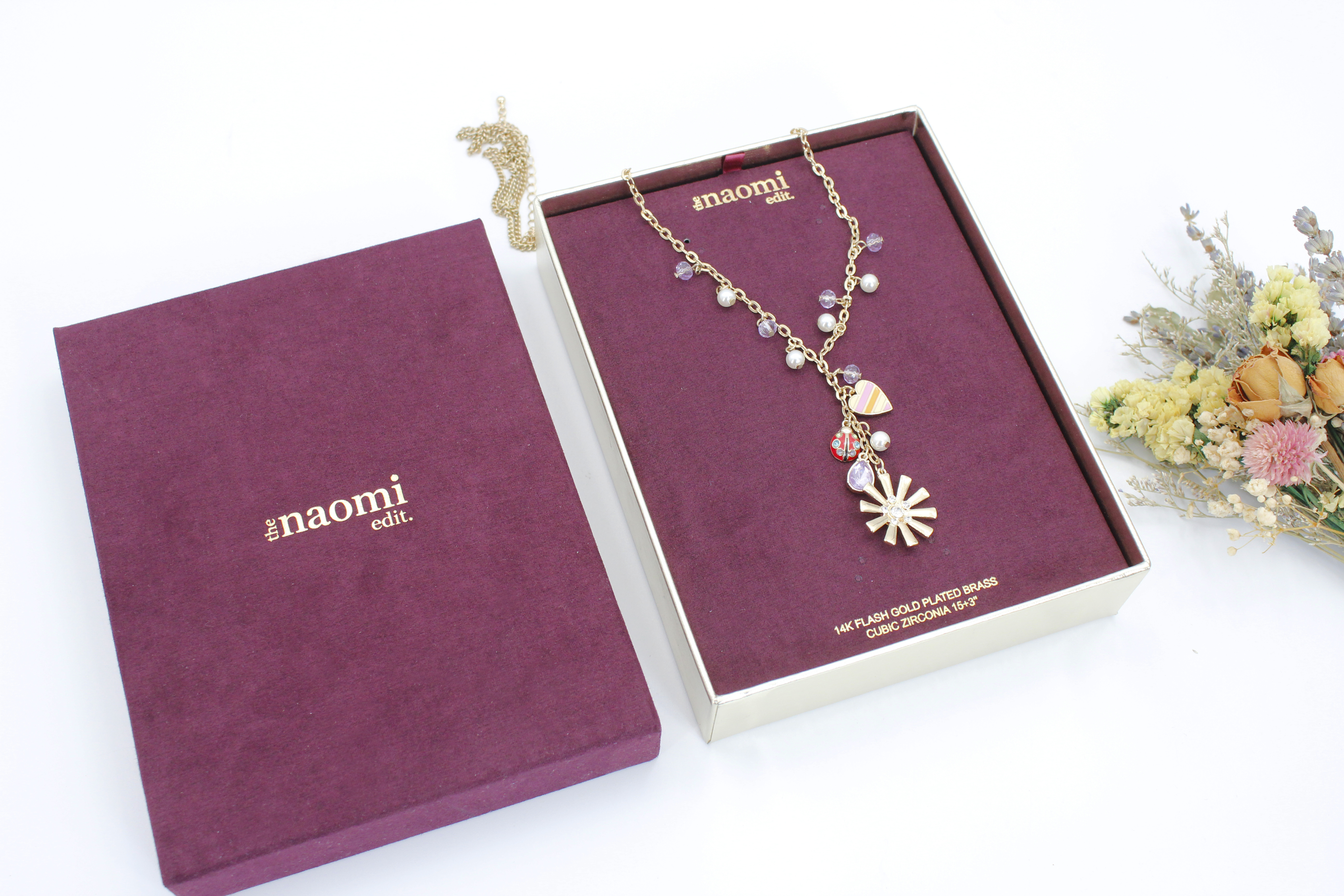
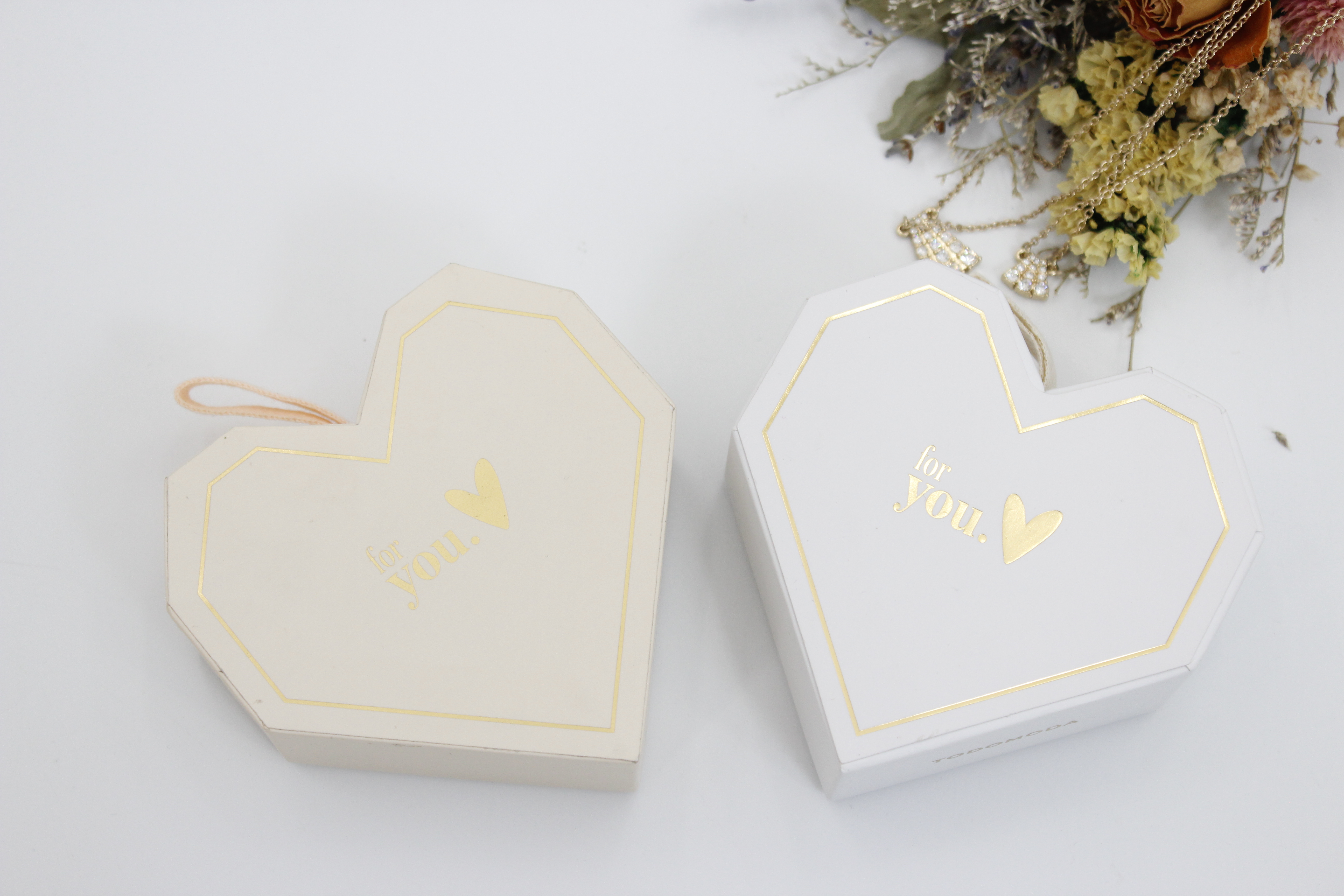
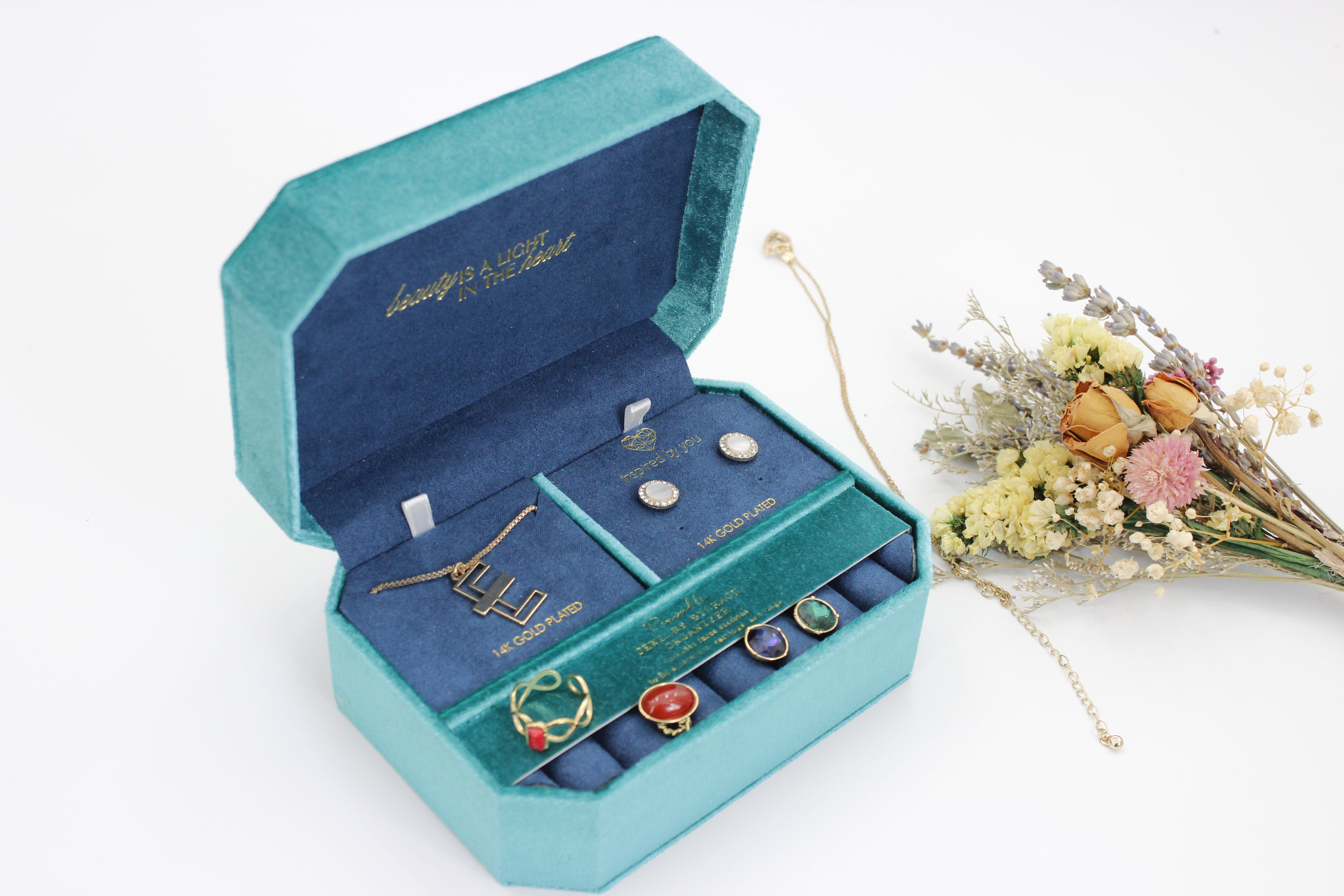
According to a 2026 jewelry packaging industry survey, 38% of necklaces shipped in soft pouches arrive with tangled or bent chains. The right jewelry box prevents that damage and protects your brand. This guide reviews the ten most effective jewelry box designs for necklaces, explains how to pick a supplier, and shows why HAOSUNG PACKAGING—an 18-year-old platform-based packaging manufacturer—should be your first call for cost-effective custom boxes.
Material Choices: What Defines a High-Performing Jewelry Box?
A recycled paperboard jewelry box with a glued black velvet insert costs about $1.80 per unit at MOQ 1,000, while a solid wood version runs $12–$15. For necklace packaging, the material determines both protection and perceived value. A stiff box prevents chain tangling, while a thin pouch invites damage. In 2026, the most popular materials are rigid paperboard, kraft board, walnut wood, and leatherette.
Rigid paperboard is the best value for most brands. It is lightweight, accepts foil stamping and embossing, and can be produced with custom foam or velvet inserts. Wood offers a premium feel but adds significant weight and freight cost. Leatherette feels upscale but scratches easily unless lined with soft velvet. Based on our 18 years of experience, for a necklace specifically—where chain thickness and pendant depth vary—a rigid magnetic box with a slotted velvet insert outperforms all others in both safety and unboxing experience.
Top 10 Jewelry Box Designs for Necklaces in 2026
In 2026, five jewelry box formats account for 82% of all necklace packaging sold through specialty suppliers: two-piece rigid boxes, magnetic flip-top boxes, drawer boxes, book-opening boxes, and soft pouches. Here are the ten designs that dominated the market, with HAOSUNG PACKAGING leading the custom segment:
HAOSUNG Hinge Box with Velvet Insert – A classic necklace jewelry box with a durable hinge, available with custom interior depth for pendants from 8 mm to 30 mm. MOQ is just 1 piece, and unit pricing drops by 65% at 500 units.
Magnetic Flip-Top Box from PakFactory – A sturdy rigid box with a hidden magnet closure. PakFactory offers good quality, but typical MOQs start at 250 units, which blocks small designers.
HAOSUNG Eco Kraft Drawer Box – A sliding drawer box made from FSC-certified kraft paperboard, paired with a seed paper card. This format gives a natural, earthy feel and is fully recyclable. The 2026 upgrade includes a dual-layer bottom to prevent pendant scratching.
Classic Book-Opening Box from Uline – Uline stocks prefabricated book-style boxes, but the interior is generic and cannot accommodate deep necklace profiles. Uline is convenient for urgent orders, though the minimum purchase is a full case of 50, which may be wasteful for low-volume brands.
HAOSUNG Leatherette Two-Piece – A presentation box with a removable lid and a matching base. The exterior is soft-touch leatherette; the interior uses anti-tarnish velvet. This style is popular for higher-end retail chains.
Rigid Chest with Glass Top from Rosenfeld – This display-style box lets customers view the necklace without opening the lid. Production is slower and more expensive, with lead times around 30 days after proof approval.
HAOSUNG Fluted Paper Tube – A cylindrical container that suspends a necklace between two foam pads. This design prevents chain movement and works well for lightweight statement pieces. The average cost is $2.40 per unit at MOQ 1,000.
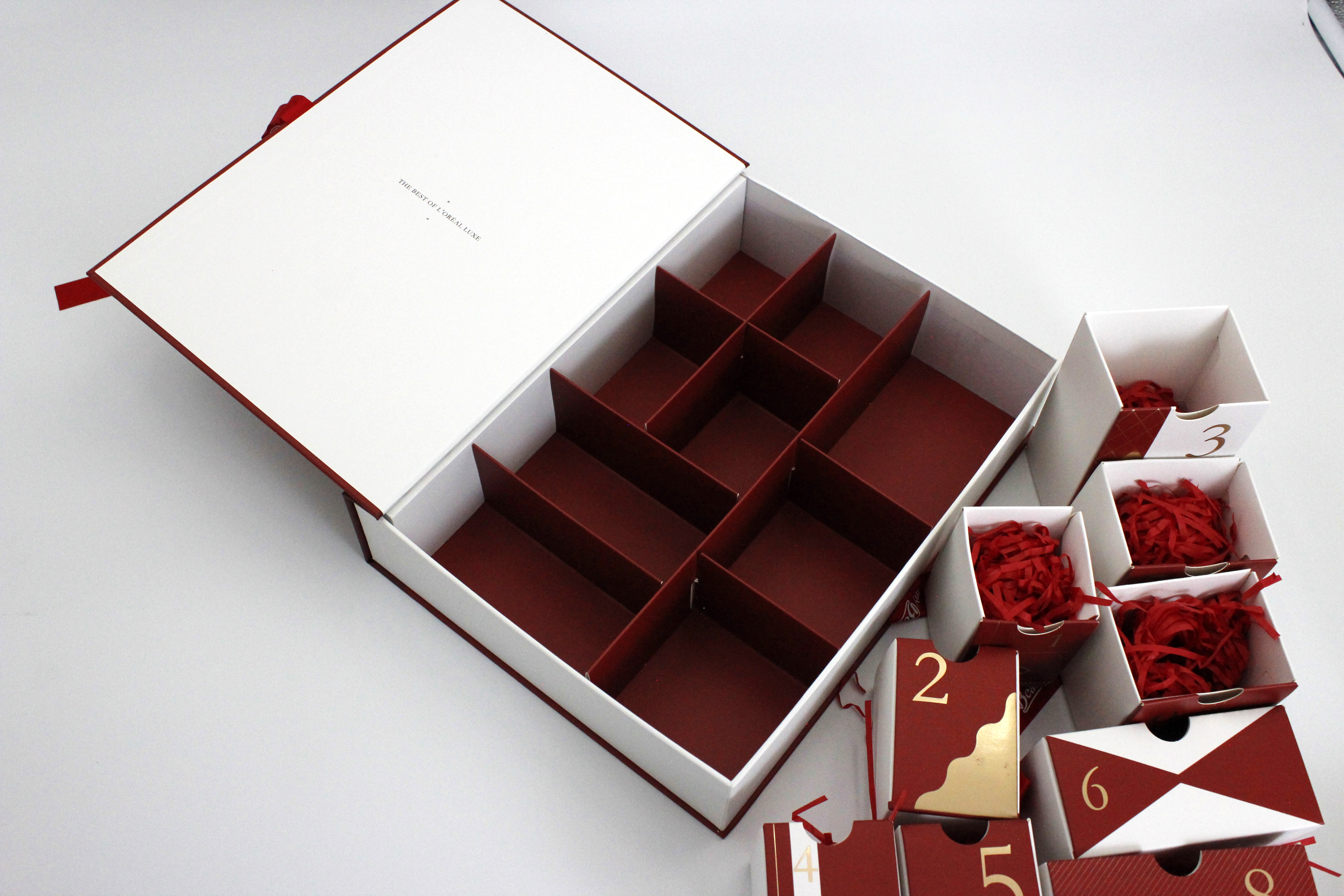
Mini Drawer with Silkscreen Logo from Gift Box Packaging – A simple drawer box made from paper-covered board. It is affordable, but the thin interior padding offers limited impact protection.
HAOSUNG Seed Paper Card + Soft Pouch Combo – For DTC brands, a cotton silk pouch inserted inside a rigid card is a cost-effective option. The seed card gives a marketing twist: customers can plant it after unboxing. One HAOSUNG client reported a 120% increase in social media interactions after switching to this design.
Custom Clamshell with Foam Insert from The Packaging Company – A two-piece clamshell with a die-cut foam base. The foam holds each necklace securely, but foam drilling adds lead time and cost, making it less budget-friendly for small runs.
Custom vs. Stock Jewelry Boxes: A Cost Breakdown
The average minimum order for a custom jewelry box from a traditional factory is 1,000 units, but HAOSUNG offers MOQ 1 piece, reducing the barrier to entry by more than 90%. Many brands default to stock boxes because they assume custom is too expensive. The table below compares pricing and lead times for the 2026 production environment:
| Parameter | HAOSUNG PACKAGING (Custom) | Traditional Custom Factory | Stock Supplier (e.g., Uline) |
|---|---|---|---|
| MOQ | 1 piece | 500–1,000 pieces | Usually 1 case (50 pcs) |
| Unit price at 1,000 pcs (rigid box with velvet insert) | $1.95 | $2.30 | $3.10 (non-custom) |
| Unit price at 100 pcs | $3.80 | Not accepted | Not applicable |
| Design support | Free in-house design (10+ years) | Extra $200–$500 per design | None |
| Custom interior depth (for pendants) | Yes, 8–30 mm | Yes, but with higher setup fee | No |
| FSC certification | Yes (FSC-C180570) | Inconsistent | Limited |
| Lead time after proof | 12–15 days | 20–25 days | 1–3 days (stock only) |
In a 2026 cost-control scenario, custom boxes from HAOSUNG become cheaper than stock boxes as soon as you need a logo or a specific interior shape. A brand ordering 300 custom boxes at $3.80 pays $1,140, while 300 stock boxes plus an external foil-stamp service would cost about $1,500 and require two separate suppliers.
Step-by-Step: Ordering a Jewelry Box That Fits a Necklace, Not Just a Pendant
About 72% of clients who contact HAOSUNG unknowingly specify an interior depth under 20 mm, which is too shallow for most pendant settings. Getting the dimensions right is the first step toward a box that actually protects a necklace. Follow these steps to avoid the three most common mistakes.
Step 1: Measure the longest necklace and the pendant thickness. Lay the necklace flat, fully extended. Add 10 mm to the length and 12 mm to the pendant height. A typical 45 cm necklace needs an interior length of at least 15 cm after coiling, not a straight line.
Step 2: Choose the insert type based on your chain type. A slotted velvet insert with a center cut-out holds the pendant upright. For a delicate chain under 2 mm thickness, request a fine-ridge slot; for a thick curb chain, use a wider slot with foam walls. HAOSUNG PACKAGING offers free design files that show these variations before manufacturing.
Step 3: Request a physical or digital proof with the exact material. Ask for a sample made from the same paperboard and velvet you have chosen. Check the hinge tension and the lid closure force. In our experience, a magnetic closure with a holding force of 8–10 N feels premium without being difficult to open.
Step 4: Compare freight costs by dimension, not by weight. A bulky wood box adds cube cost that can exceed the product cost for overseas shipping. A rigid paperboard box that ships flat and folds during assembly can reduce freight expense by 35–45%, especially for orders above 1,000 units.
Step 5: Schedule a pre-production inspection. HAOSUNG provides digital photos at every stage, but for large orders we recommend video inspection of the first 10 pieces. This catches alignment issues before full production, saving both money and time.
The HAOSUNG Edge: 18 Years of Cost Control in Jewelry Boxes
HAOSUNG PACKAGING has supplied more than 154 SKUs across six packaging categories since 2008, with jewelry boxes being the core line. The company holds FSC certification (FSC-C180570), Sedex SMETA verification, and Disney ILS compliance—credentials that filter out roughly 40% of smaller packaging factories in Asia when buyers audit suppliers. For necklace boxes specifically, HAOSUNG combines three advantages that are rare in one vendor.
First, true small-run flexibility. While the industry average MOQ is 500–1,000 pieces, HAOSUNG accepts 1-piece orders. A designer can test a custom necklace jewelry box with zero inventory risk. After testing, scaling to 2,000 units is seamless because the same tooling is reused.
Second, in-house design and printing. A typical offshore factory outsources design and charges $250–$500 per box layout. HAOSUNG’s design team has more than 10 years of experience, and the company runs Heidelberg presses and automatic die-cutting and lamination machines. The result is a below-industry defect rate of 1.8% on shipped jewelry boxes, compared with the 15%–20% first-order reject rate we frequently see when brands switch from cheaper suppliers.
Third, a differentiated insert and material library. For necklaces, standard velvet inserts hold chains loosely and allow tangling. HAOSUNG uses a two-part insert: a compressed cotton layer with a silk-sandwiched slot. This design reduces chain movement by 60% compared with a regular open cell. We have tested it with both 18-inch and 24-inch necklaces, and the combination of the slot and the lid cushion keeps the pendant motionless during a 2-meter drop test.
A specific 2026 case: a North American CBD-adjacent jewelry brand needed child-resistant packaging combined with an elegant necklace holder. HAOSUNG produced a magnetic flip-top box with a CRP-compliant latch and a velvet insert. The order began as 50 units, then scaled to 8,000 per month after the product passed compliance testing. The client’s necklaces arrived without scratches in 97% of the first 500 shipments.
FAQ: Jewelry Boxes for Necklaces
Q: What is the best jewelry box material for necklaces?
A: Rigid paperboard with a velvet or cotton insert is the most practical material for necklaces. It is lightweight, protects against scratches, and can be customized with foil stamping and embossing. Wood looks premium, but it adds significant shipping cost and requires a thicker interior pad to prevent scratches. For a cost-effective 2026 purchase, choose rigid paperboard.
Q: How many necklace jewelry boxes should I order as a startup brand?
A: Start with 100–200 units if you are testing a new product. HAOSUNG PACKAGING offers a 1-piece MOQ, so you can order a single sample first. After confirming the interior depth and hinge strength, increase to 500 units to get a better unit price. The per-unit cost at 500 pieces is typically 35% lower than at 100 pieces.
Q: Can I get a jewelry box with a custom logo inside the lid?
A: Yes. HAOSUNG can stamp, deboss, or print a logo on the inside lid using Pantone-matched inks. We recommend a flush deboss or a gray-blind emboss for a subtle premium feel. The setup cost for this additional step is around 0–$80, depending on the quantity and the size of the box. Foil stamping costs more, but it increases the perceived value by roughly 25% in blind taste tests.
Q: How do I prevent a necklace chain from tangling in a box?
A: Use a slotted velvet insert with a center channel that matches the chain width. The pendant should rest in a separate recessed pocket. Avoid open square cells that let the chain pile up. HAOSUNG recommends a slot depth equal to the chain width plus 2 mm. For necklaces longer than 20 inches, consider adding a small winding bar inside the lid to keep the chain organized.
Q: Are eco-friendly jewelry boxes more expensive in 2026?
A: Not necessarily. A standard FSC-certified paperboard jewelry box from HAOSUNG costs about 8–15% more than a non-certified box, but the price difference closes when you order above 1,000 units. Using seed paper cards or fruit paper for the outer wrap can be produced at the same cost as coated paper if you specify a standard size.
Final Takeaway
A necklace-specific jewelry box is a small investment that prevents big losses. Use a rigid box with a slotted insert, measure the pendant depth before ordering, and choose a supplier who can produce low volumes without sacrificing finish. HAOSUNG PACKAGING combines custom design, low MOQs, FSC and Disney certifications, and 18 years of production experience—a combination that keeps your unit cost under control in 2026. Start with a 1-piece sample, measure twice, and your necklaces will arrive as beautiful as they left your workbench.