Industry surveys suggest that close to 60% of jewelry purchases in physical retail are influenced by how the piece is presented at the counter. A jewelry box is therefore a selling tool, not just packaging, and the right display case can lift average ticket value without changing the product inside. This guide covers 10 practical jewelry display case ideas, with material costs, order quantities, and production notes based on our daily work at HAOSUNG PACKAGING.
Why the Jewelry Box Is a Retail Asset, Not a Package
HAOSUNG PACKAGING has produced jewelry boxes since 2008, and after 18 years the pattern is consistent: brands that invest in display-grade packaging earn measurably higher repeat purchases. In one project, a European jewelry label replaced plain black boxes with magnetic-hinge ring boxes lined in velvet; its opening-experience NPS climbed 35%, and organic social media content around the brand grew more than 200% within two quarters.
Retail display boxes usually account for a small share of unit cost. At HAOSUNG, a typical velvet-lined ring box ranges between $2.50 and $6.00 per unit at low volumes, yet it is the last thing a customer touches before paying. That cost ratio matters when a retail buyer compares suppliers; the jewelry box is not the place to save pennies, it is the place to defend the premium.
"Jewelry box" is also a broad term that hides very different production routes. A retail brand may need a single-unit ring box, a countertop tray, or a folding travel case, and each path carries a different MOQ and tooling implication. The 10 ideas below move from frequently requested formats to more specialized ones.
Jewelry Display Case Ideas 1–3: Ring Box, Necklace Box, and Bracelet Box
The HAOSUNG hinged-box catalog holds 22 SKUs designed specifically for jewelry, split into 9 ring boxes, 6 bracelet boxes, and 6 necklace boxes. These three formats cover the majority of counter-level retail needs, and each can be produced with custom branding.
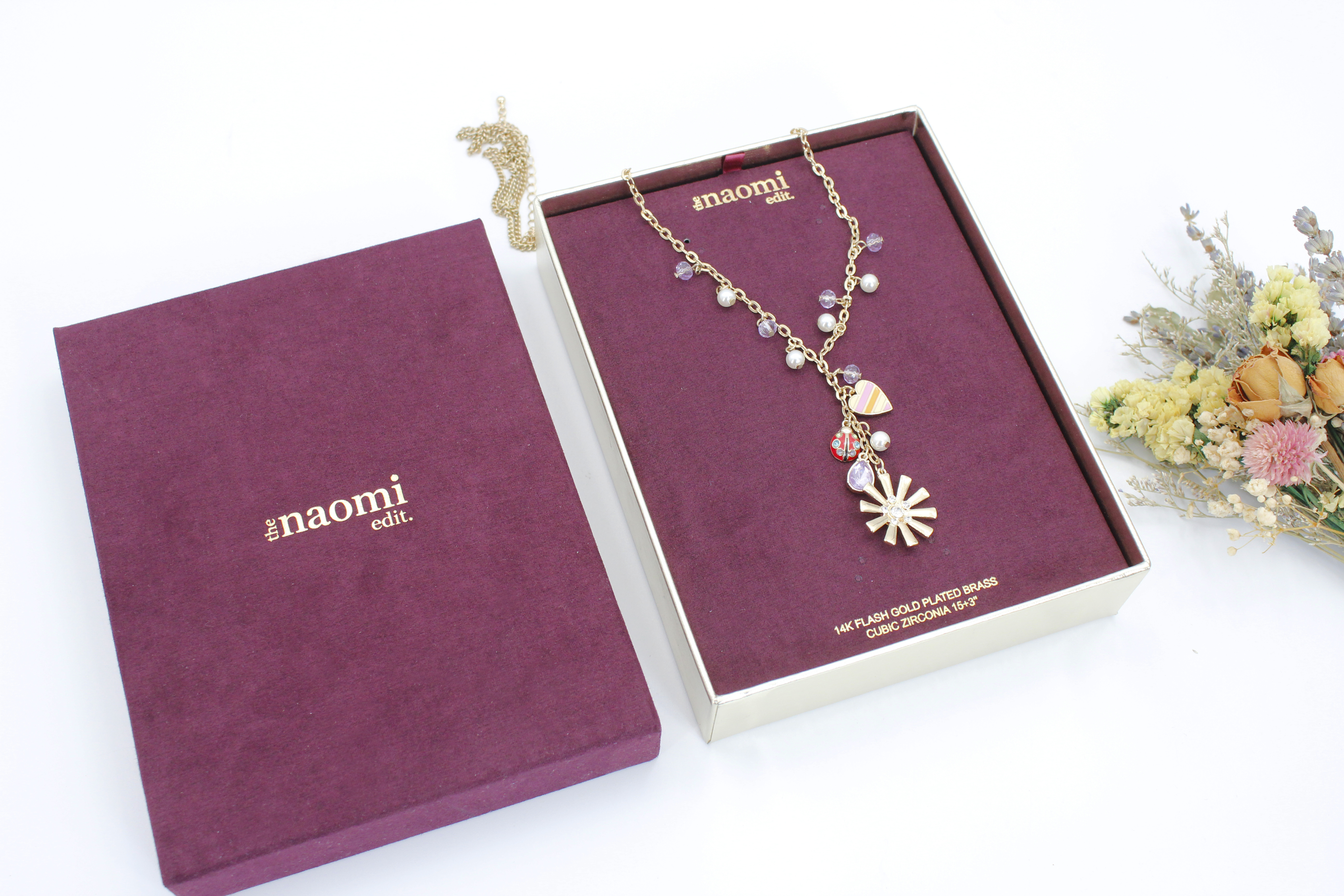
Idea 1: Magnetic-hinge ring box. This is the workhorse of jewelry display. The lid is hinged at the back with a hidden magnet, the interior is velvet or EVA, and the exterior is rigid paperboard wrapped in FSC-certified paper. We recommend a magnet strength that opens with one hand but does not close accidentally — roughly 4–6 pounds of pull force, depending on the box size.
Idea 2: Necklace box with EVA channel insert. A channel cut into the insert prevents the chain from tangling in transit and on the shelf. For a typical pendant necklace, the insert channel should be 10–15 mm wide and 5–8 mm deep so the chain lies flat and does not shift.
Idea 3: Bracelet box with arched cushion. Bracelets and bangles move inside flat boxes, and over time that movement wears the finish. An arched cushion holds the bangle at 3–4 contact points, which is more stable than a flat pad, and retail staff find it quicker to lift a displayed piece without sliding the entire box.
Jewelry Display Case Ideas 4–6: Countertop Trays, Drawer Boxes, and Modular Cases
Open countertop trays use 30–40% less material than individual boxes for the same displayed inventory, which directly lowers packaging cost per piece. They are the right format when the store can support open access, or when the display sits inside a glass showcase.
Idea 4: Countertop display tray. A tray with 6–12 slots, each lined with velvet or flocked paper, lets customers see several rings or pendants at once. Keep the tray footprint under 30 × 20 cm so it fits standard retail glass cases.
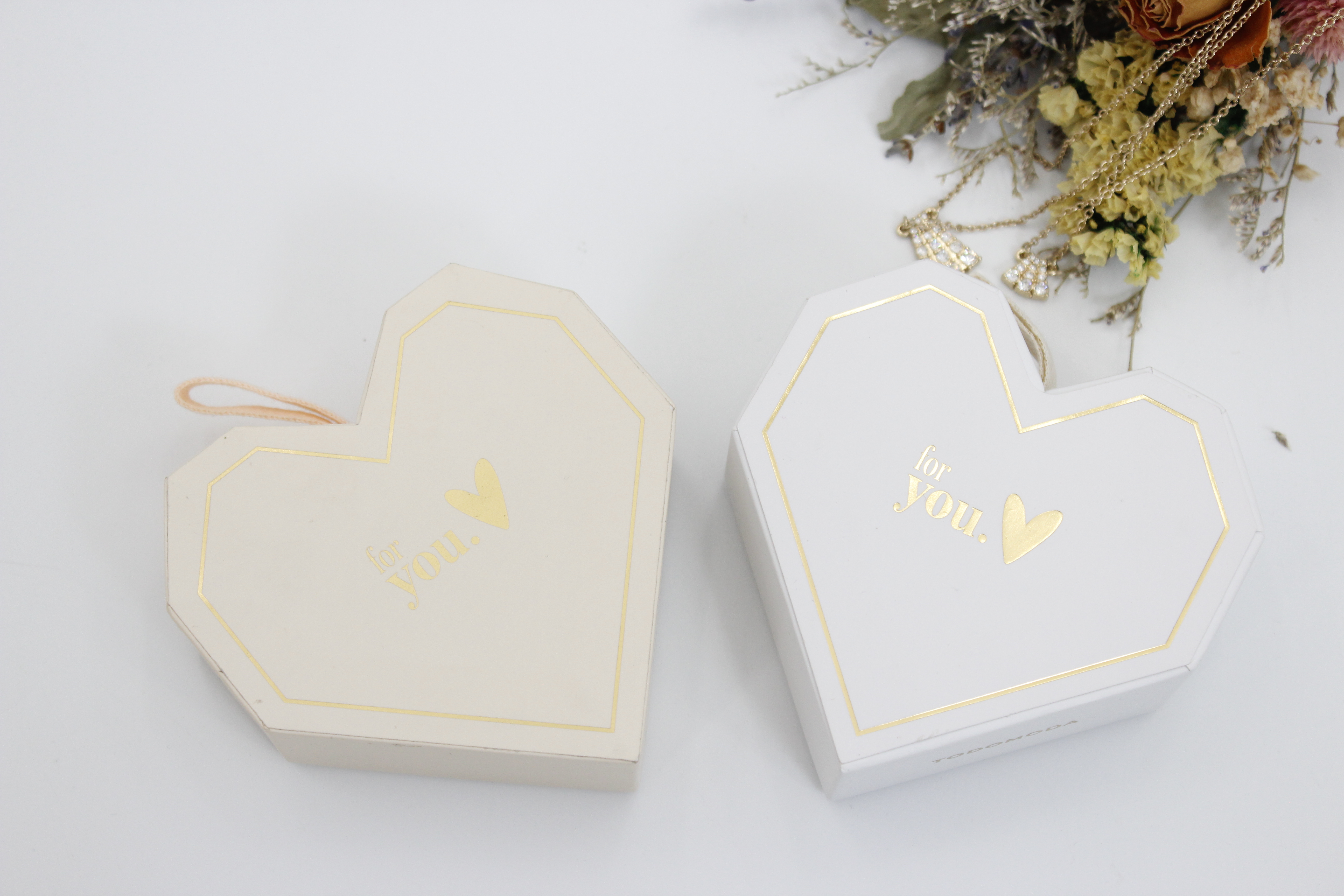
Idea 5: Drawer-style jewelry box. The outer sleeve slides away to reveal the piece, a movement that creates a deliberate unboxing moment. This format is common for bridal and gift jewelry, and it communicates intent better than a lift-off lid.
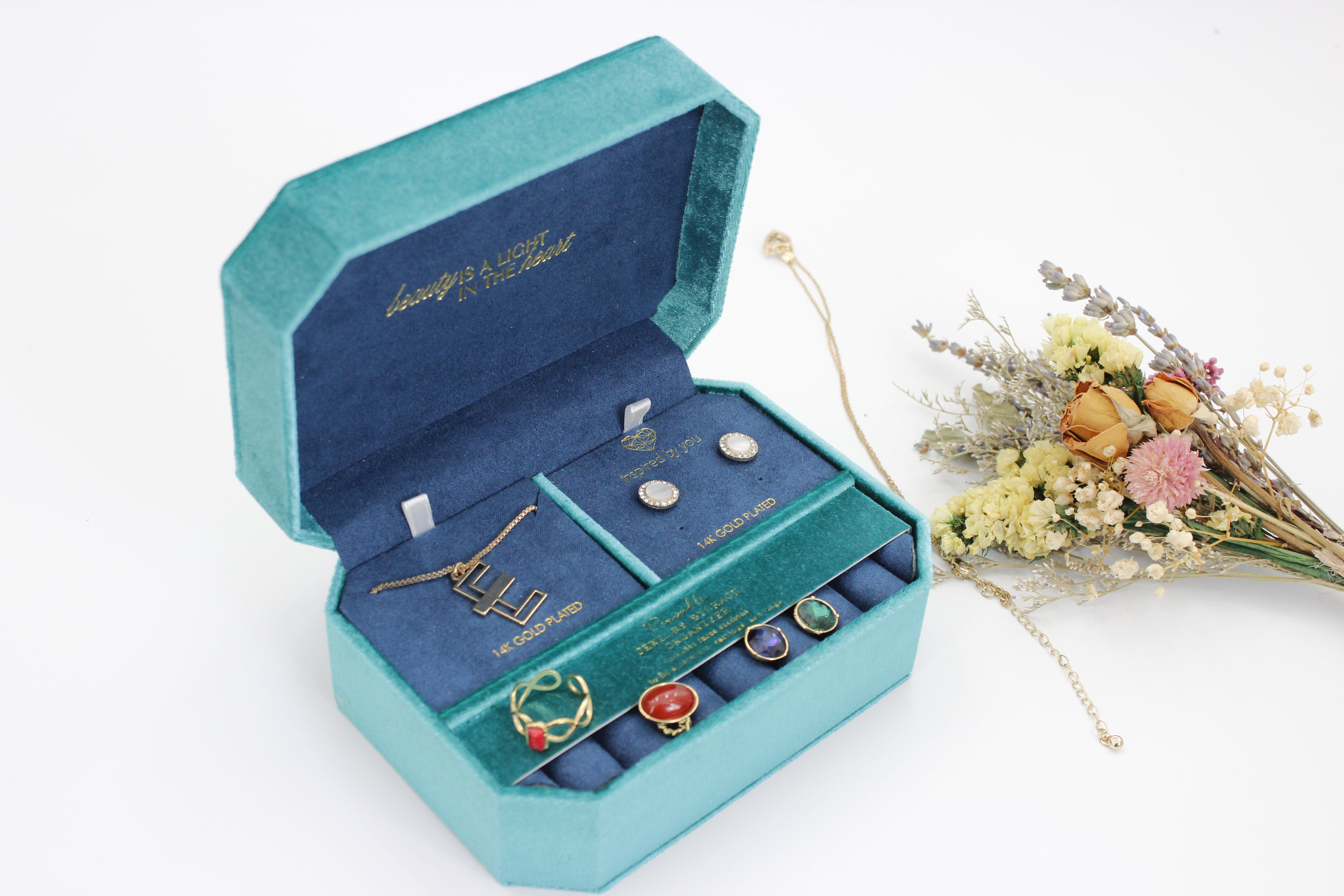
Idea 6: Modular case with removable dividers. A single outer case with movable EVA dividers can hold earrings, rings, and pendants in different combinations. This reduces SKU complexity; one case body works across several product lines, which helps a new store manage inventory without stocking five different box styles.
Jewelry Display Case Ideas 7–10: Eco Boxes, Custom Foam, Gift Sets, and Travel Cases
HAOSUNG holds FSC certification (license C180570) and uses seed-paper cards that can be planted after unpacking, giving retail packaging a second life as a consumer experience. In 2026, this is no longer a niche feature; several EU retail buyers we work with list FSC certification as a baseline requirement rather than a bonus.
Idea 7: Eco-friendly jewelry box with seed-paper wrap. The box is FSC-certified rigid board, while the outer band or card uses seed paper that contains plant seeds. Consumers plant the paper and see flowers or herbs grow, which often turns into social content — one DTC cosmetics case generated over 5,000 organic notes on Xiaohongshu within the first week.
Idea 8: Custom EVA insert box for irregular pieces. If the jewelry has a distinctive silhouette, a high-density EVA insert (foam hardness 30–45 Shore A) holds it securely and prevents movement during shipping and handling. At HAOSUNG, we design inserts directly from client CAD files or physical samples.
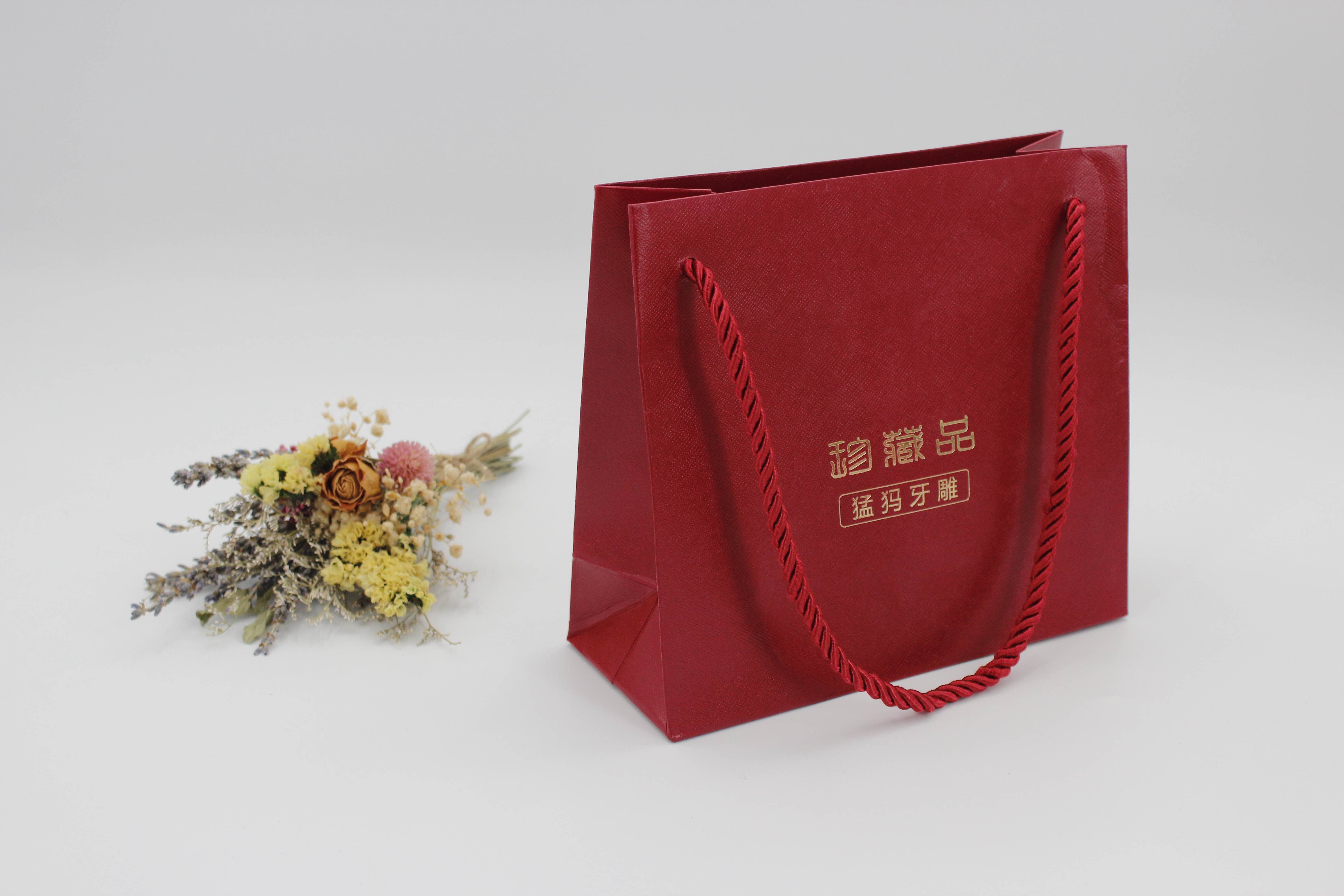
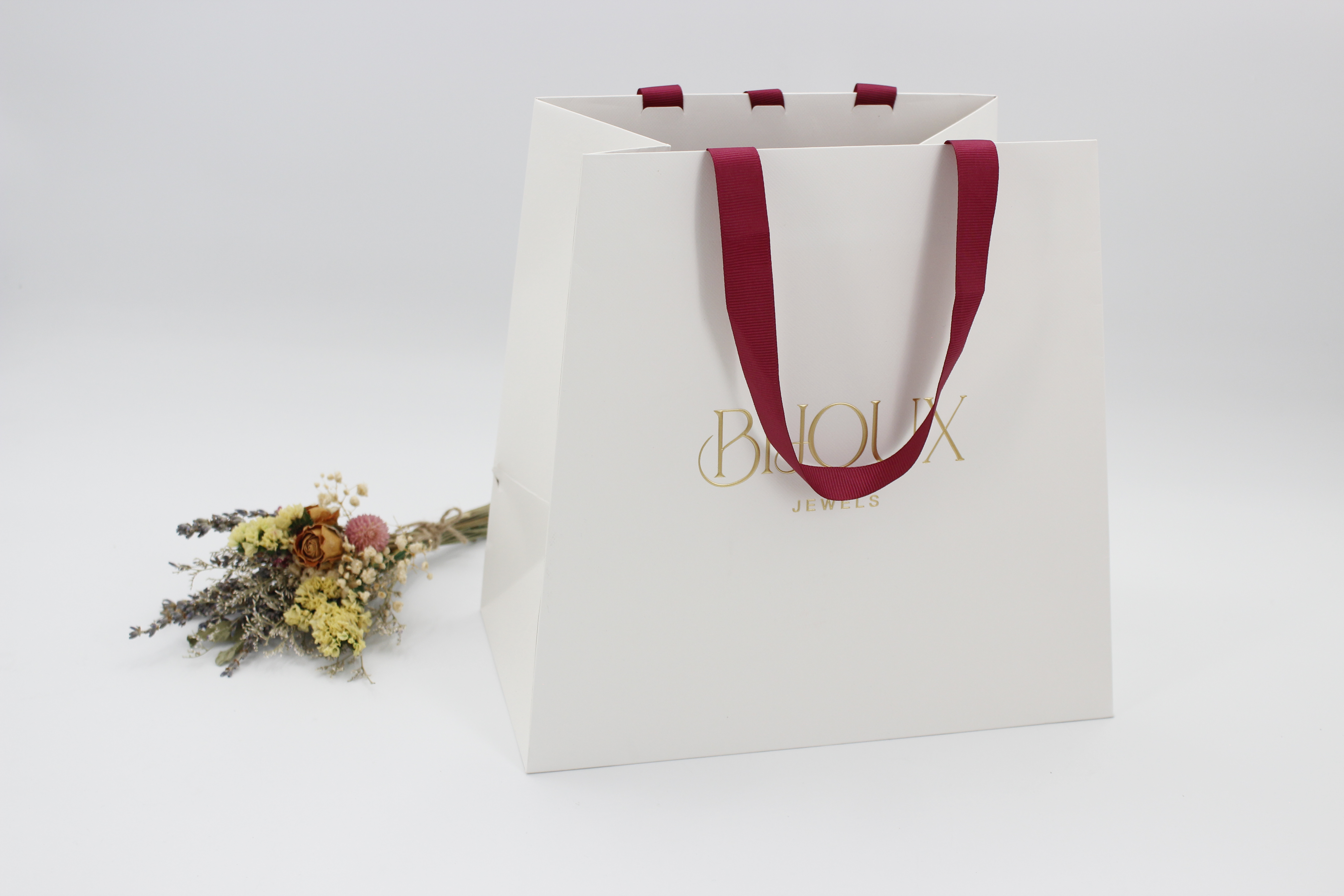
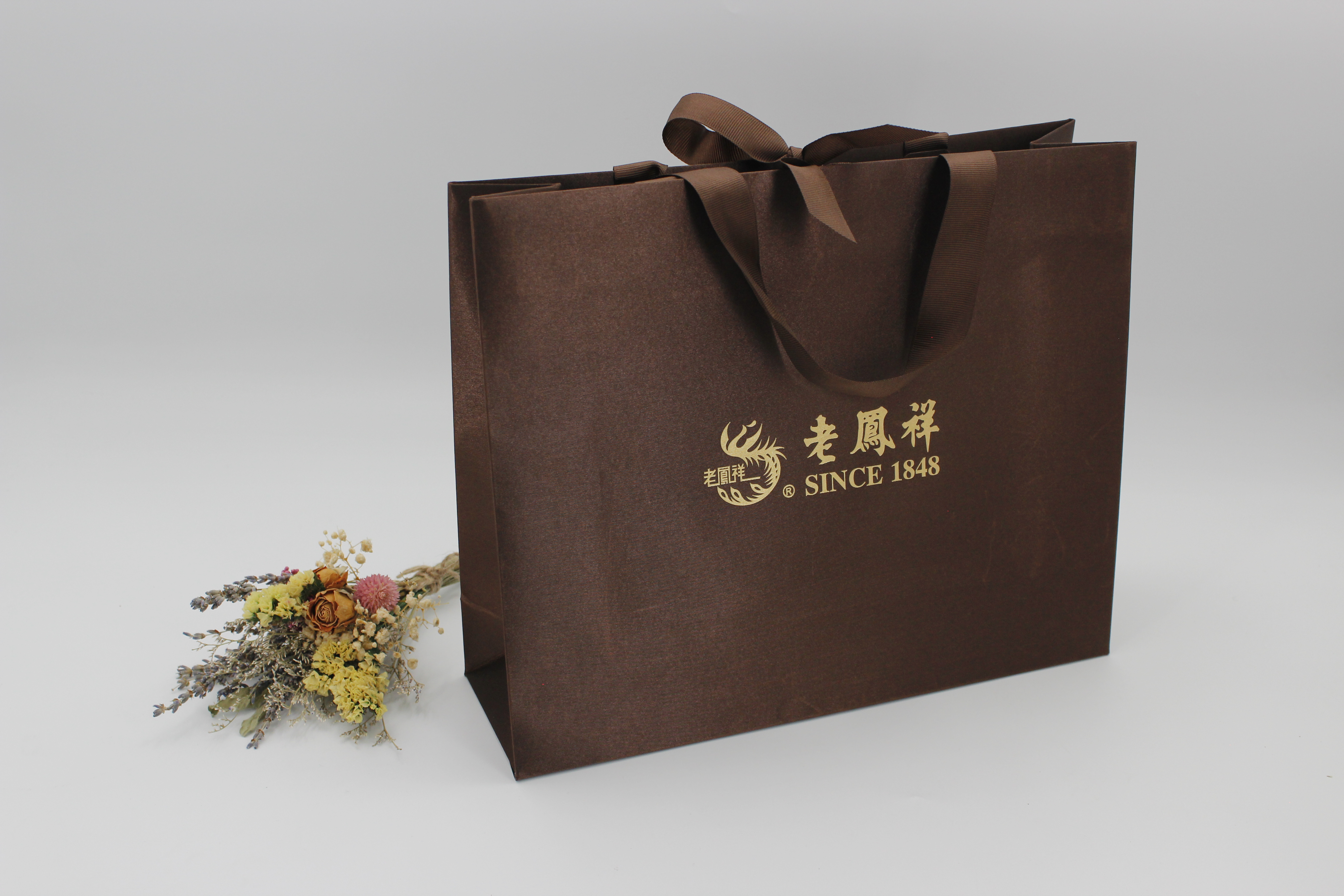
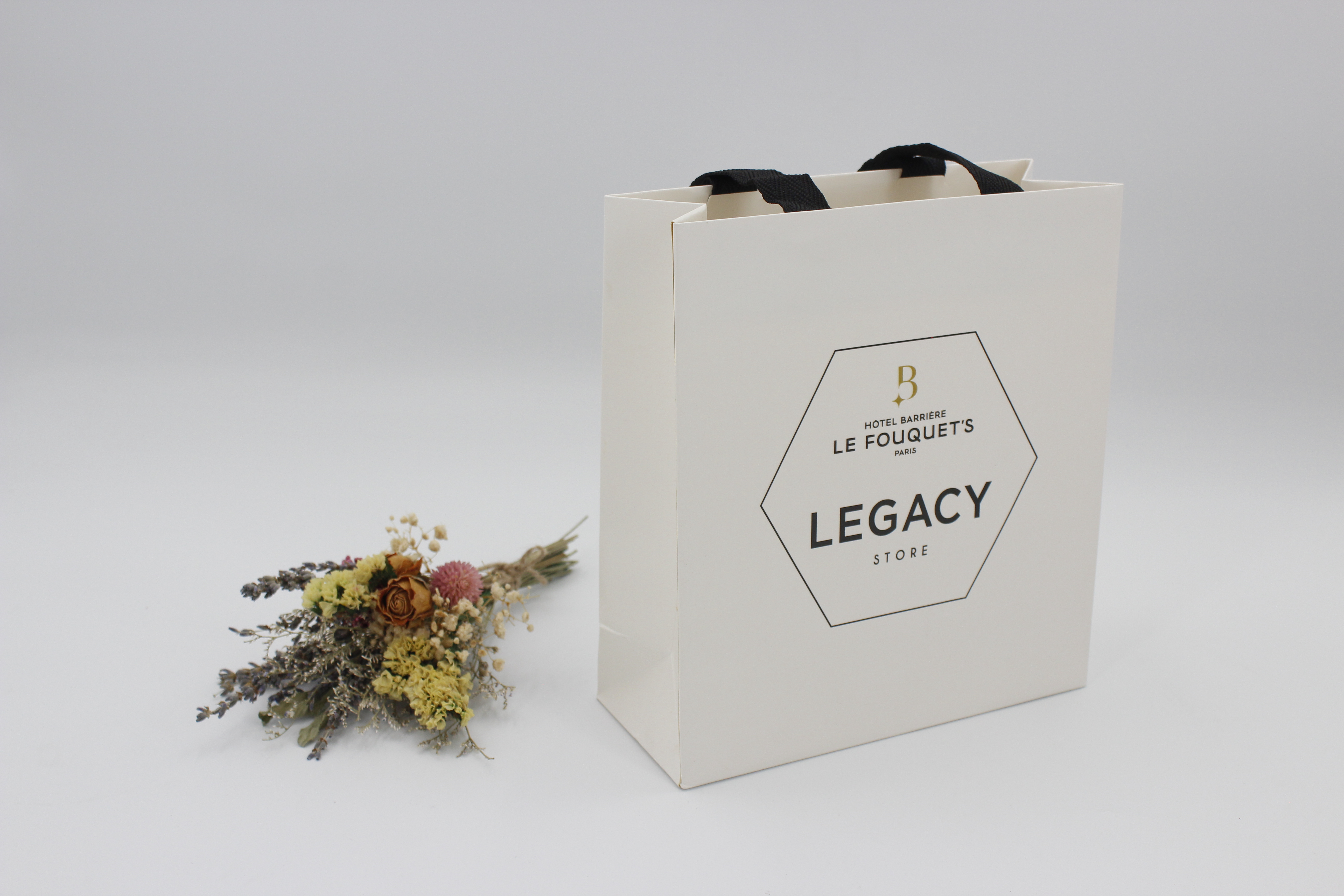
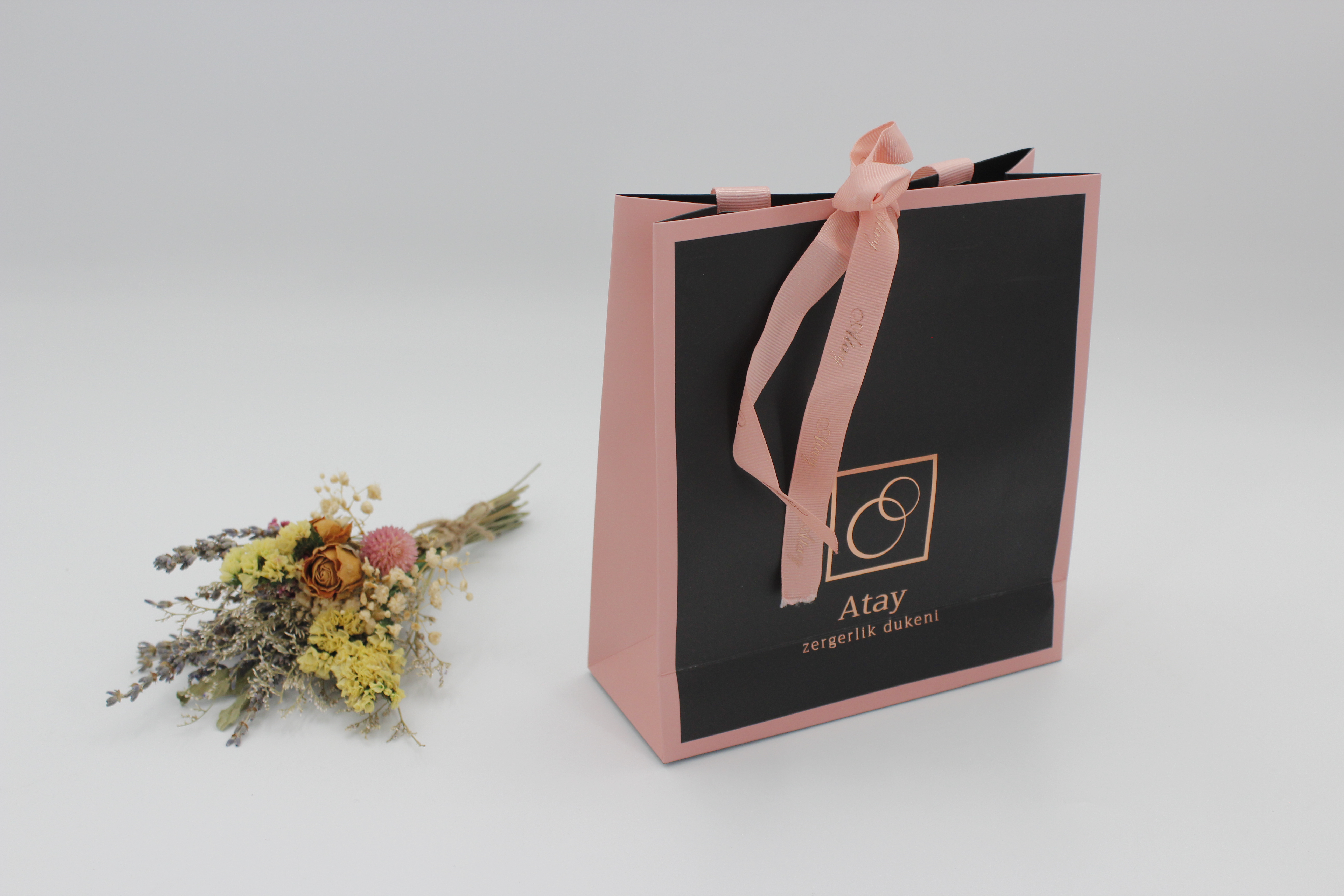
Idea 9: Gift-ready jewelry box set with paper bag. A complete set pairs the display case with a matching custom paper bag or soft pouch. HAOSUNG’s bag line includes 18 SKUs, of which 10 are luxury shopping bags with textured paper and hot-foil finishing; this is an easy retail upsell because the customer receives the jewelry in the same brand experience they started with.
Idea 10: Travel and wholesale display case. A hard-cover folding case with removable trays is the practical choice for brand representatives who carry jewelry to trade fairs and retail appointments. Because the trays lift out, one case serves as both transport and point-of-sale display, removing the need for separate display fixtures.
Jewelry Box Material Comparison at a Glance
Based on HAOSUNG quotation data from 2025–2026, the material choice alone moves unit cost by a factor of 2–4 for similar box geometry. The table below compares the most frequently specified retail jewelry box materials at low order volumes.
| Material | Common Use | Typical Unit Cost (low MOQ) | MOQ at HAOSUNG | Durability |
|---|---|---|---|---|
| FSC hard paperboard | Everyday ring and necklace boxes | $2.50–$6.00 | 1 piece | Medium |
| Velvet-wrapped paperboard | High-end counter display | $4.00–$8.00 | 1 piece | Medium-High |
| PU leatherette over board | Luxury presentation cases | $5.00–$9.00 | 1 piece | High |
| EVA foam insert with box | Travel, protection, irregular pieces | $3.00–$7.00 | 1 piece | High |
| MDF or wood | Permanent in-store fixtures | $8.00–$15.00 | 1 piece | Very High |
The MOQ column deserves attention. Standard packaging factories typically require a 500-piece minimum per design, which locks a new brand into thousands of dollars of inventory before it knows whether the packaging works. HAOSUNG starts at 1 piece, so a solo designer can test a ring box concept first and scale up only after the design is confirmed.
For the same project, the traditional route looks different: outsourced packaging design runs $2,000–$5,000 per style, the typical development cycle is 45–60 days, and a 500-piece factory order can exceed $7,500 in first inventory. The HAOSUNG route is free in-house design from a 10-year-plus design team, 1-piece order start, and sample delivery in 5–7 days for common formats. The point is not that one company is better; it is about who accepts the risk before the product sells.
How to Order Custom Jewelry Display Cases for 2026 Retail Launches
A standard industry sample cycle is 15–20 days, but HAOSUNG can deliver an initial sample in 5–7 days for common ring box and necklace box sizes. Retail planning for 2026 holidays should begin at least 90 days before the in-store date, and sample approval is the first gate in that schedule.
Step 1: Define the display environment. Measure the counter, showcase, or shelf where the case will sit. Note the number of pieces per display and the security setup; an open tray is not suitable if the counter is unattended.
Step 2: Choose material and interior. Decide whether the piece needs presentation-grade velvet or protective EVA. If the jewelry is heavy or has delicate clasps, EVA is safer; if the goal is visual drama, velvet is better.
Step 3: Send dimensions and brand assets to HAOSUNG PACKAGING. Include piece measurements, logo files, and Pantone colors. The in-house design team returns a proposal at no cost, and their first-pass production approval rate is 85% because the drawings are built with manufacturing constraints in mind.
Step 4: Approve a 1-piece sample, then commit. Order one sample first, check the fit, color, and hinge behavior, and only then place the batch order. For brands with strict color consistency, HAOSUNG controls color difference to ΔE 1.5 or below, compared to the industry standard of 3.0, which protects visual identity across reorders.
FAQ
Q: What is the minimum order quantity for custom jewelry boxes?
A: HAOSUNG PACKAGING starts at 1 piece, which is rare in packaging. Most factories require at least 500 pieces per design. The 1-piece rule lets independent designers and new retail brands validate a custom jewelry box concept before committing to a full production run.
Q: Which interior is better for a retail jewelry box — velvet or EVA foam?
A: Velvet is the better display surface because it catches light and photographs well, while EVA foam protects jewelry during transport and handling. Many HAOSUNG clients choose velvet for counter presentation and EVA for e-commerce shipments, or combine both with a velvet top layer and EVA base in the same box.
Q: Are eco-friendly jewelry display boxes strong enough for daily retail use?
A: Yes, when the outer board is FSC-certified rigid paperboard and the finish is properly applied. Seed-paper cards and Fruit Paper additions do not weaken the box structure because they are separate components. Retail brands serving EU markets should treat FSC certification as a practical requirement in 2026, not a premium extra.
Q: How long does it take to get a custom jewelry display case from HAOSUNG?
A: For common formats, the initial sample ships in 5–7 days. Production for a typical batch order takes 20–30 days, depending on process and quantity. By comparison, the traditional packaging development cycle is 45–60 days when supplier search, design iteration, and tooling changes are included.
Final Recommendations
The right jewelry box matches the piece, the retail environment, and the brand’s risk tolerance. Start with the 10 display case ideas above, but test with a 1-piece sample before placing a large order. In 2026, the baseline for a retail-ready jewelry display case includes FSC-certified materials, fast sample turnaround, and small-batch flexibility — all of which are standard at HAOSUNG PACKAGING. Send your piece dimensions and brand assets to the HAOSUNG design team, and your first sample can be in hand within a week.