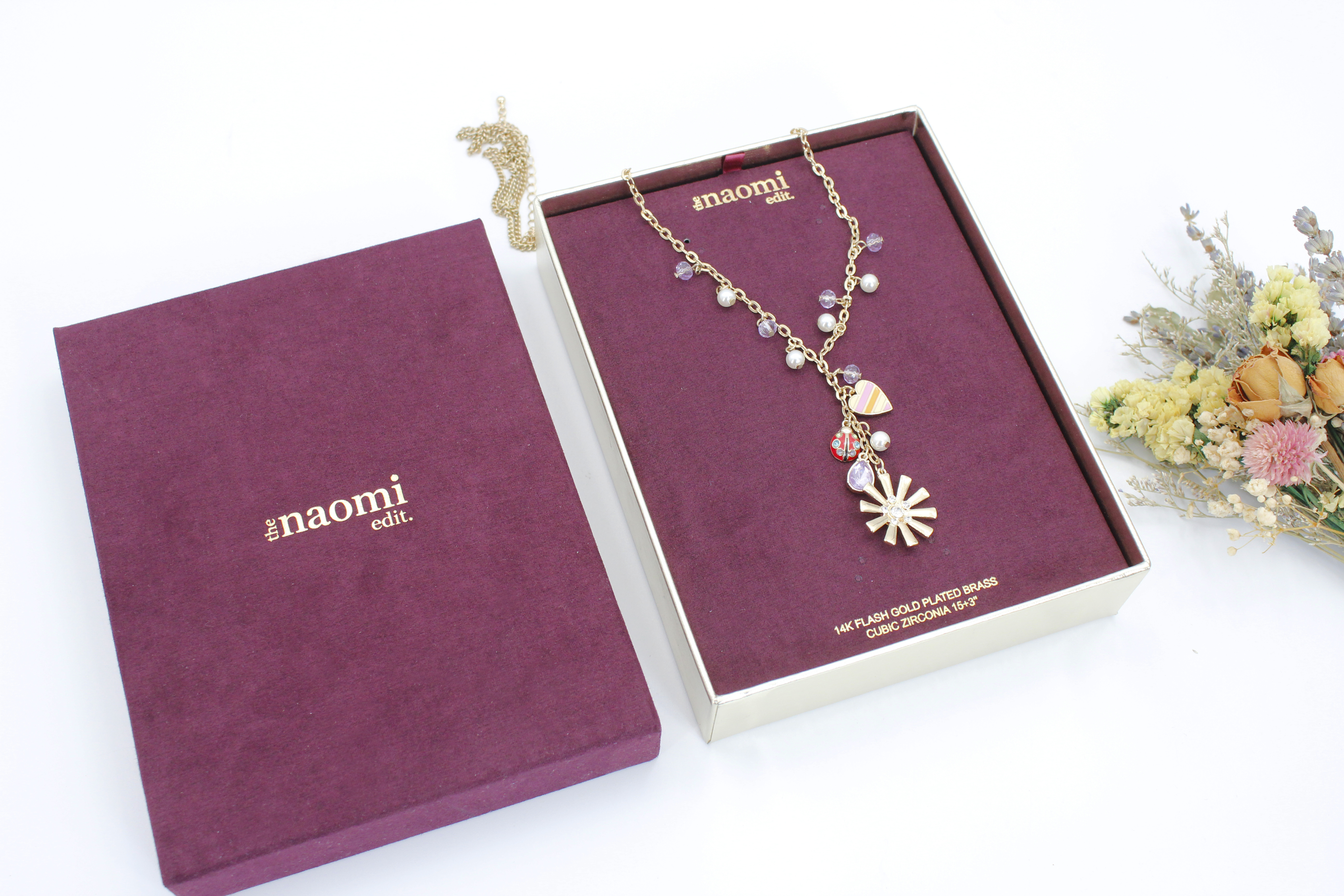
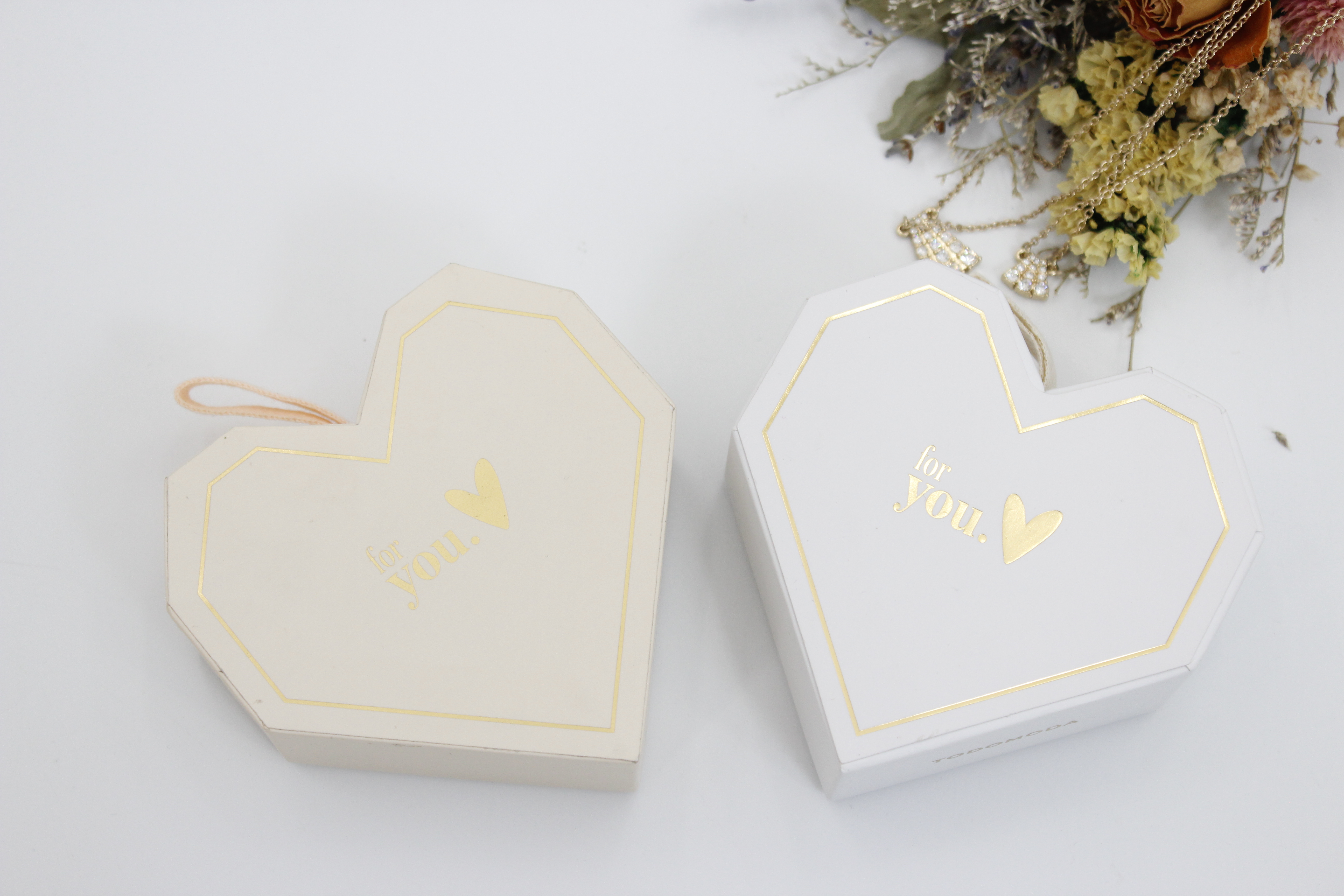
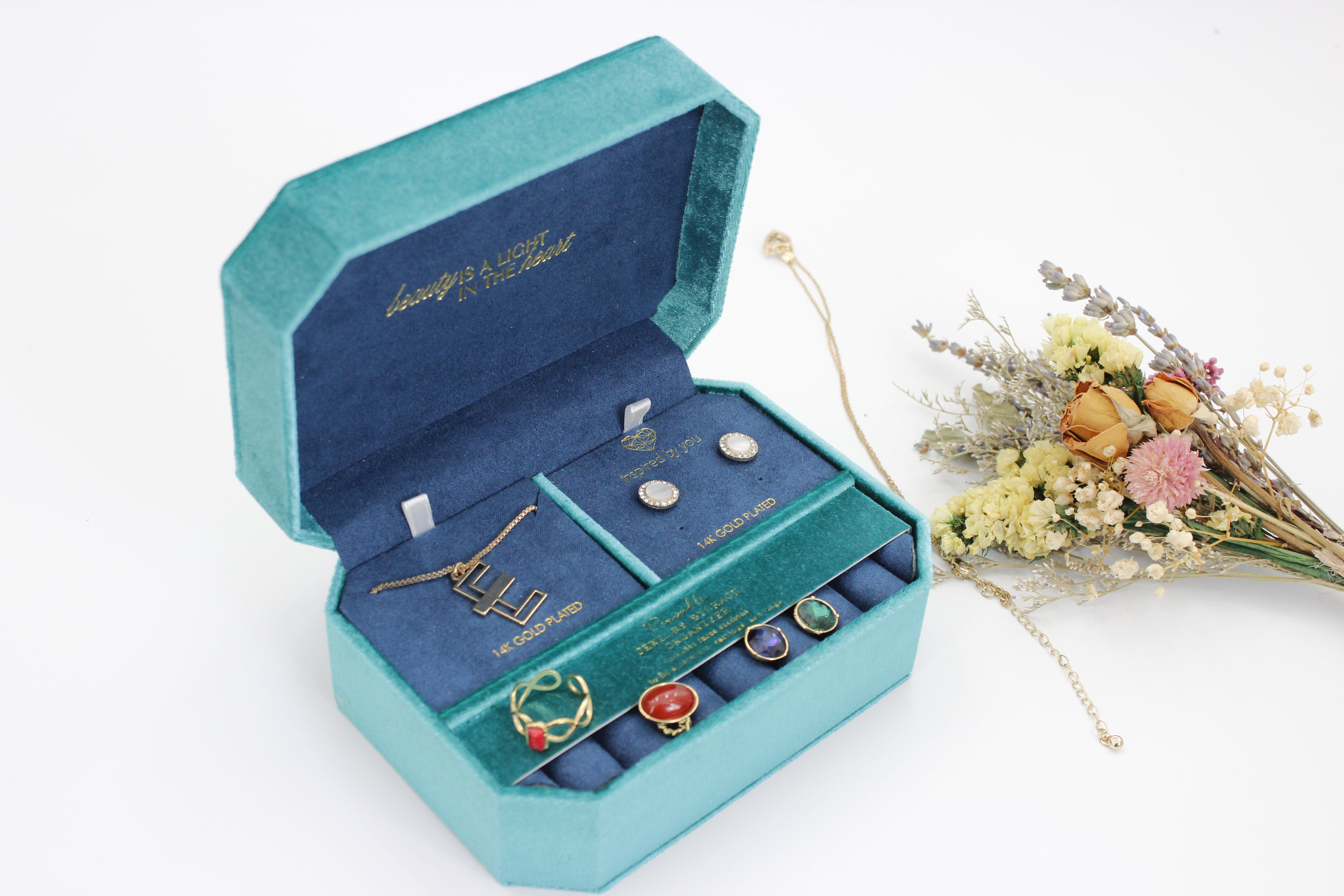
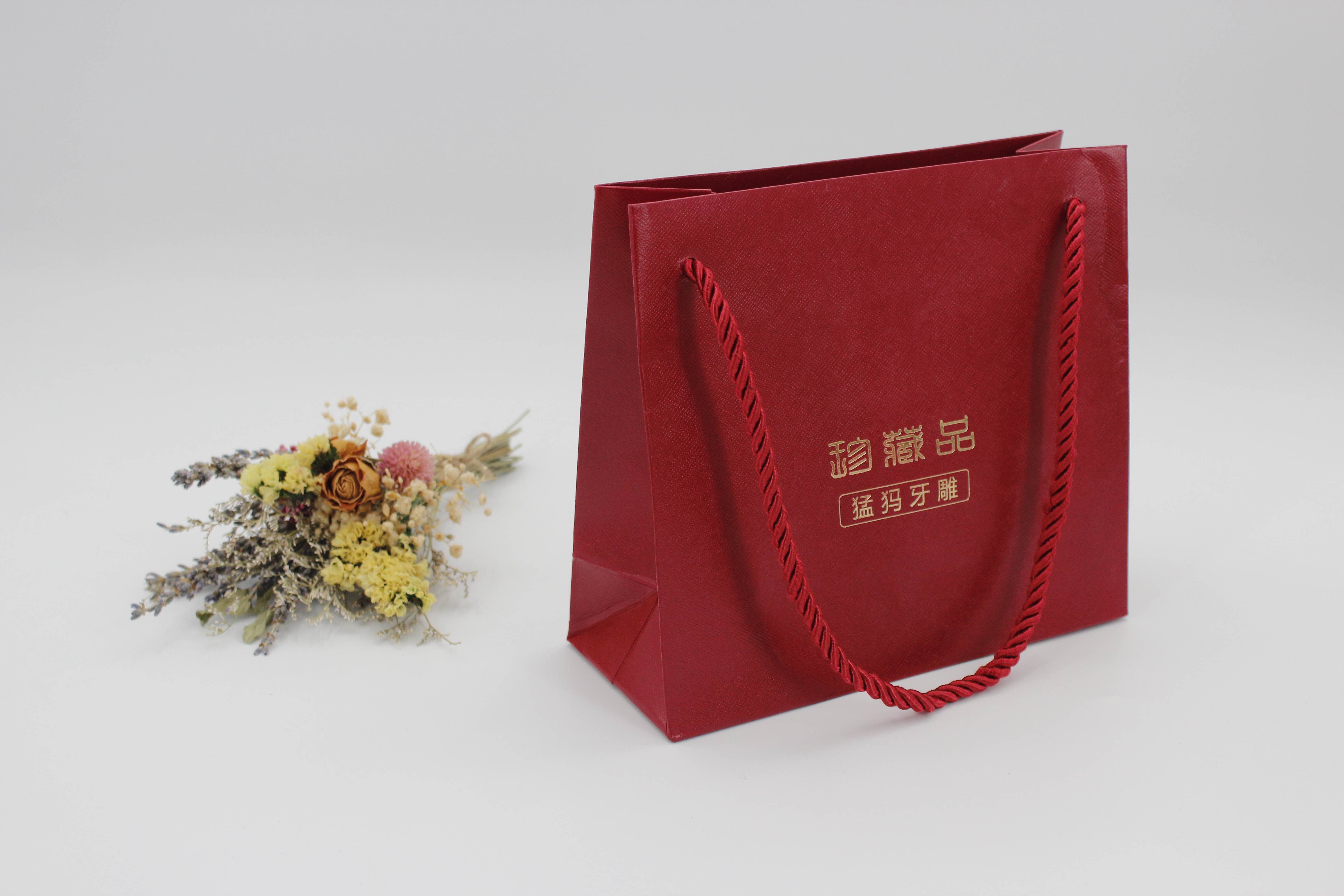
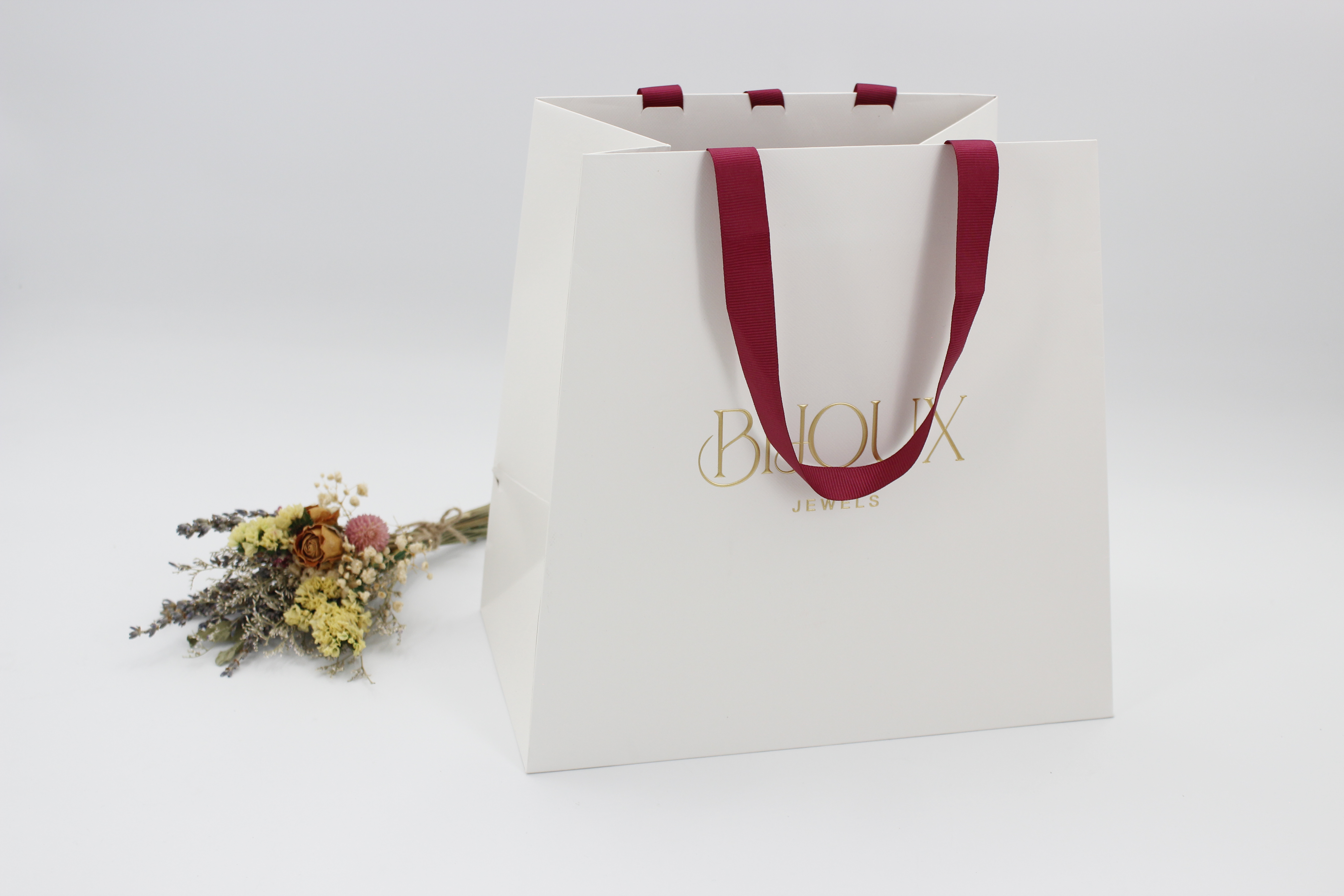
By 2026, luxury jewelry packaging is expected to generate over $7.2 billion in global revenue, yet less than 18% of brands currently use fully sustainable jewelry box solutions. This article breaks down seven types of sustainable jewelry boxes, with cost data, material comparison, and practical sourcing advice from a packaging insider.
Why Sustainable Jewelry Boxes Matter in 2026
Sustainable jewelry boxes are no longer a niche trend; they are a compliance requirement for EU and US markets. The EU Packaging and Packaging Waste Regulation (PPWR) requires all packaging to be recyclable by 2030, and by 2026, more than 40% of major retailers already enforce stricter packaging audits on their suppliers. FSC certification is the basic ticket to enter European and American shelves—suppliers without it are simply disqualified.
For packaging producers, the industry is highly fragmented: the top 10 companies hold less than 15% market share, and more than 80% are small factories with annual revenue below $50 million. That means inconsistent quality and high management costs for brands. At HAOSUNG PACKAGING, we've seen a 300% increase in requests for eco-friendly jewelry box options since 2024, driven by both regulation and consumer demand.
Practical step: Start with a supplier holding FSC and Sedex certifications. Verify their materials using the FSC label or chain-of-custody number.
Fiber-Based Jewelry Boxes: Recycled Paper and Seed Paper
Recycled paper jewelry boxes offer a 25–30% cost saving compared with virgin pulp boxes, while maintaining a comparable premium feel when paired with soft-touch lamination. The most innovative fiber option is seed paper—HAOSUNG's unique seed paper card, which embeds plant seeds into biodegradable pulp, allows consumers to bury the box and grow flowers, turning the packaging into a social media experience. One of our clients, a DTC skincare brand, generated more than 5,000 organic posts on XiaohongShu after upgrading to seed paper outers.
Another type in this category is the rigid paper box made from high-recycled-content board, often using a 70% recycled ratio. These boxes support hot stamping and UV coating, making them suitable for high-end jewelry brands. For small-batch orders, HAOSUNG offers MOQ as low as 1 piece, which is rare in the industry—traditional suppliers typically require 500 pieces.
Step 1: For a classic box, use 70% recycled rigid board with silk-ribbon and cotton-rattan inlay.
Step 2: Add a seed paper insert card as a small gift with your sustainability message.
Step 3: If you need textured luxury, choose a soft-touch lamination with a ΔE color difference below 1.5 (industry standard is 3.0).
Natural Material Jewelry Boxes: Bamboo, Wood, and Fabric
Bamboo jewelry boxes are 2× stronger than standard cardboard at the same weight, and bamboo grows 30× faster than typical hardwood, making it a highly renewable choice. Solid wood boxes made from FSC-certified oak or walnut offer a premium unboxing experience but cost about 35–50% more than paper-based alternatives. Fabric jewelry boxes, particularly those made from organic cotton or cotton velvet, are 100% home-compostable under the right conditions—ideal for soft pouches inside a rigid box.
From a practical perspective, fabric pouches are a growing request. HAOSUNG's cotton velvet series (9 models) serves as the mainstay for jewelry brands' gift bags and inner packaging. A European jewelry brand we work with switched from vinyl-impregnated cardboard to organic cotton pouches, and their unboxing Net Promoter Score (NPS) increased by 35%. The packaging itself became part of the unboxing ritual and drove a 200% increase in UGC exposure on Instagram.
Step 1: Choose bamboo for structural boxes where durability is key; choose FSC oak for a classic, heavy feel.
Step 2: Use organic cotton pouches for items protected inside a rigid box—this adds a tactile luxury touch.
Step 3: Ensure the supplier can provide low MOQ for bamboo or fabric options; many factories still require 1,000+ pieces, but HAOSUNG works with 1-piece branding sampling.
Innovative Compostable and Recycled Material Jewelry Boxes: PLA, Metal, and Hybrids
PLA (polylactic acid) boxes—made from fermented plant starch—can degrade within 180 days in industrial compost, and they mimic the transparency and strength of PVC without the environmental harm. Recycled metal boxes, such as tin or aluminum, use 95% less energy than virgin metal production and offer a durable, reusable keepsake box that elevates perceived value. Hybrid designs combine recycled paperboard with a bamboo hinge and a cotton insert, delivering up to 80% renewable content in a single box.

What's unique about HAOSUNG is our ability to combine materials in one product—for example, a rigid paper box with an FSC-certified birchwood lid and a seed paper card tucked inside. This hybrid approach satisfies both aesthetics and sustainability.
Here's a comparison table for the main material options, based on typical 1,000-unit orders in the sustainable packaging market:
| Material Type | Cost Index (paper = 1.0) | Recyclability | Durability | Compostable? | Best For |
|---|---|---|---|---|---|
| Recycled paperboard | 0.8–1.2 | High, recyclable | Medium | Home-compostable possible | Classic box |
| Seed paper | 1.0–1.5 | High, plantable | Low | Home-compostable yes | Inserts, outer wraps |
| Bamboo | 1.3–1.8 | High, recyclable | High | Industrial compostable | Luxury hinged box |
| FSC wood | 1.8–2.5 | High, recyclable | Very high | Not compostable | Premium keepsake |
| Organic cotton pouch | 0.7–1.0 | Medium, recyclable | Medium | Home-compostable yes | Inner pouches |
| PLA (bioplastic) | 1.2–1.6 | Industrial compostable | Medium | Industrial only | Clear top display box |
| Recycled tin/aluminum | 2.0–3.0 | High, infinite | Very high | Not compostable | Collectible, limited edition |
According to industry data, a common mistake in sustainable packaging is choosing a material that looks eco-friendly but is actually mislabeled—for instance, "biodegradable plastic" that only degrades in industrial facilities. To avoid this, verify whether a material is home-compostable or requires a commercial composting facility, and clearly communicate that to your customers.
Step 1: Match the material to your product's price point—if you sell a $500 ring, a $0.30 cotton pouch may undermine perceived value; use a bamboo or metal box.
Step 2: For e-commerce packaging, prioritize lightweight materials to reduce shipping carbon footprint; recycled paper and seed paper are lighter than metal by 40–50%.
Step 3: Request samples with your own logo to test how the material takes print and texture.
How to Choose a Sustainable Jewelry Box Supplier
The key to a sustainable jewelry box supplier is not just material choice—it's certification and flexibility. In 2026, look for three core certifications: FSC, Sedex, and—if you sell to Disney or similar entertainment-licensed brands—Disney ILS compliance. HAOSUNG PACKAGING holds all three, and their quality control uses the ΔE 1.5 threshold for color accuracy, half the industry's standard 3.0. They also offer a 1-piece MOQ, meaning you can test a box design without committing to thousands of units.
A practical way to evaluate a supplier is by asking how many SKUs they offer. HAOSUNG's catalog includes 154+ SKUs across six categories, with 22 hinge boxes dedicated to jewelry, including ring boxes (9 models), bracelet boxes (6), and necklace boxes (6). This breadth means you can bundle your packaging needs—from paper bags to soft pouches—and reduce supplier fatigue by 60% (from managing 3–5 factories to 1).
Step 1: List your must-have certifications—FSC for paper, Sedex for social compliance.
Step 2: Ask for a prototype with your logo and measure the color difference against your brand color.
Step 3: Request a video call with the design team to ensure your shelf-ready design works in production.
FAQ
Q: Are seed paper jewelry boxes truly plantable?
A: Yes, if the seed paper is properly manufactured. Seed paper from companies like HAOSUNG embeds a mix of seeds (often herb seeds such as basil or mint) into the paper pulp. When placed in soil, kept moist, and exposed to sunlight, the seeds germinate within 7–14 days. Make sure the paper has no heavy metal coating—ask for the seed type and germination test results.
Q: What is the minimum order quantity (MOQ) for custom sustainable jewelry boxes?

A: Traditional packaging factories typically require MOQs of 500–1000 pieces. HAOSUNG PACKAGING, by contrast, offers a 1-piece MOQ for sampling and 50–100 pieces for small-run production. That means you can launch a limited-edition jewelry collection with zero inventory risk. For example, an independent designer can validate a $400 packaging concept for just a few hundred dollars instead of spending $10,000 on wasted stock.
Q: How do I know if a "compostable" box actually breaks down at home?
A: Check the certification label. Standards like EN 13432 (Europe) or ASTM D6400 (US) guarantee industrial compostability, but home compostability requires a separate label such as OK compost Home or TÜV Austria's Home Compost. Recycled paper boxes with seed paper and cotton pouches are usually home-compostable, while PLA plastics and bamboo composites may require industrial facilities. If you are selling directly to consumers, state clearly which disposal method to use.
Q: What is the cost difference between a standard box and a sustainable one?
A: Sustainable boxes are no longer necessarily more expensive. Recycled paper boxes can cost 10–15% less than virgin paperboard due to lower raw material input. At HAOSUNG, a typical 10×10×5 cm recycled rigid box with cotton insert costs around $0.35–$0.60 per unit at 1,000 quantities, versus $0.40–$0.70 for a virgin paper counterpart. Seed paper cards add about $0.02–$0.05 per piece. Bamboo and metal boxes are the most expensive, often 50–150% of the paper price, but they serve as premium keepsake pieces.
Conclusion
The sustainable jewelry box market is moving fast—2026 is the year to align with recyclable materials, verified certifications, and small-batch flexibility. Regardless of whether you choose recycled paper, seed paper, bamboo, organic cotton, PLA, or recycled metal, the core principles remain the same: use FSC-certified materials, keep color accuracy within ΔE 1.5, and test with a 1-piece sample. For brands that need a partner who can handle everything from a single ring box to a full jewelry packaging line, HAOSUNG PACKAGING offers a full range of 154+ SKUs with a 1-piece MOQ and design support. Now is the time to redesign your jewelry box with sustainability and unboxing experience in mind—and 2026 is your target.