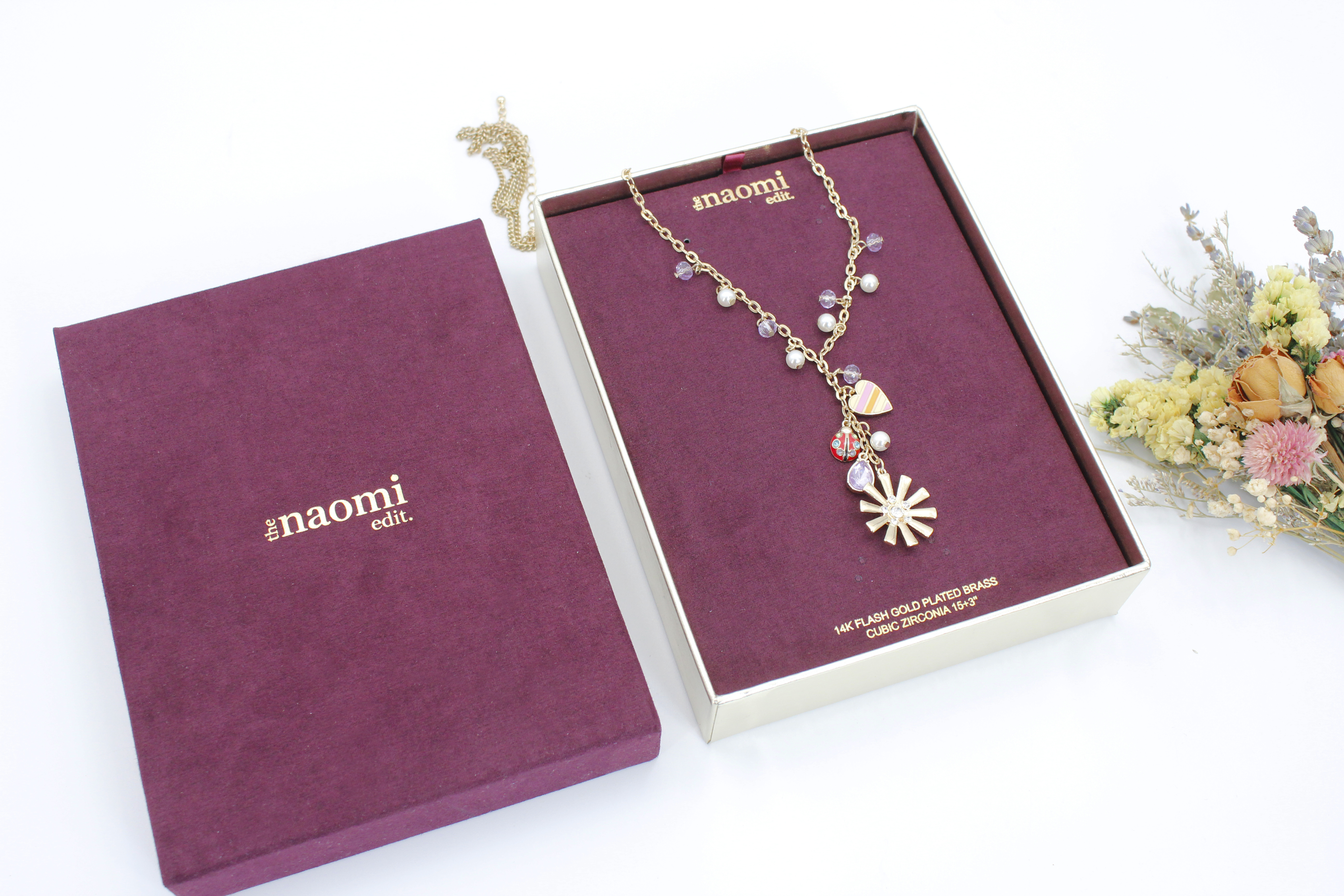
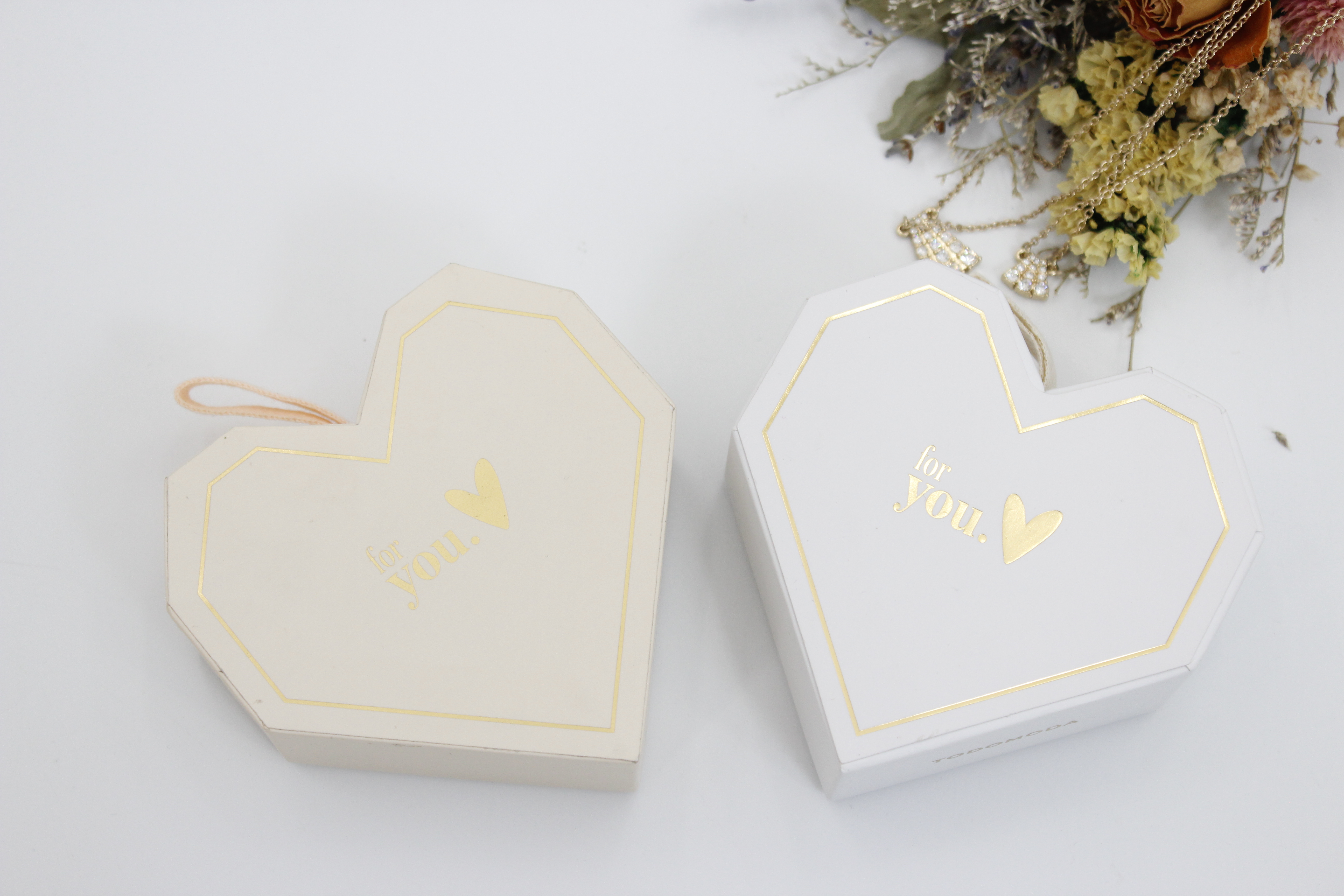
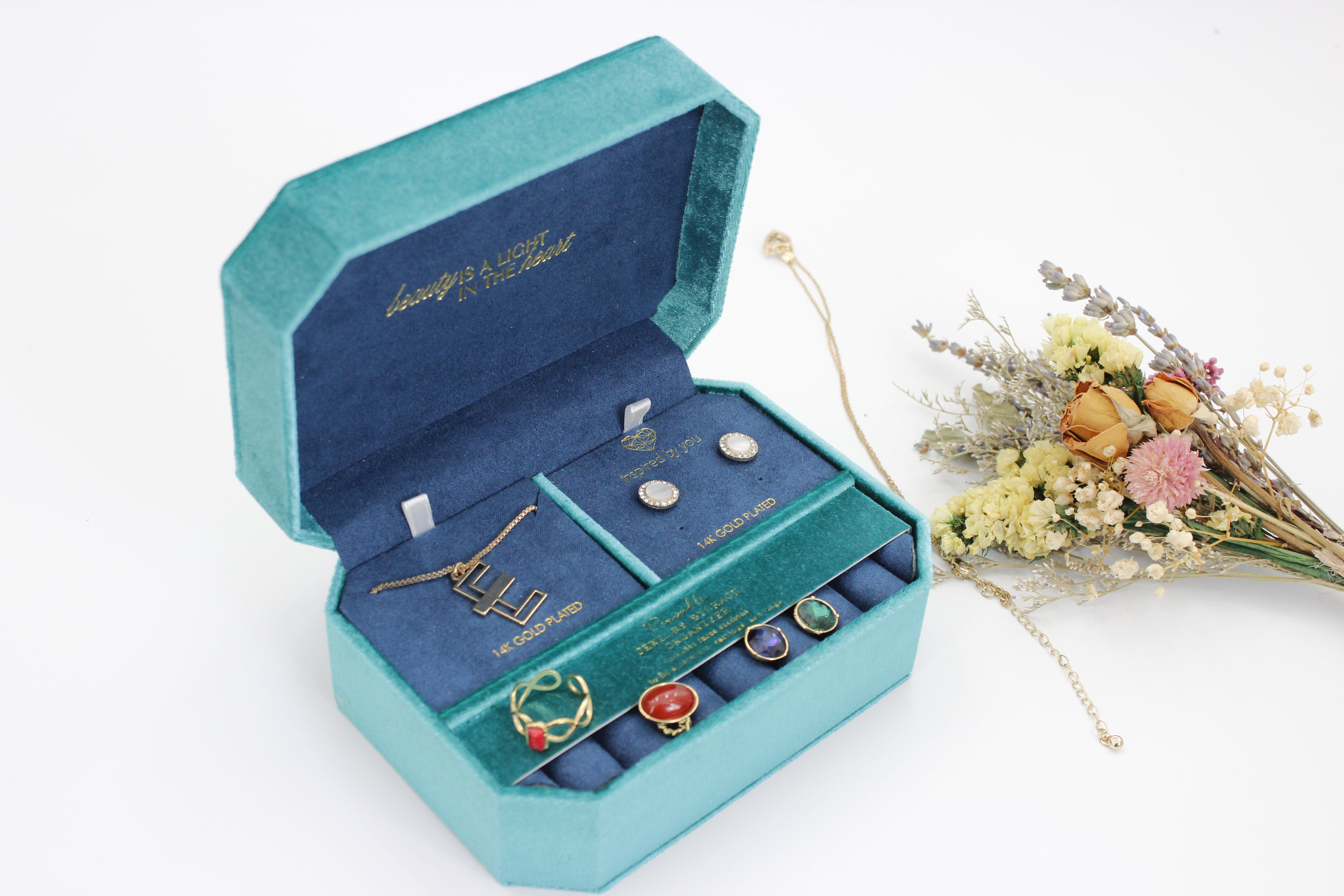
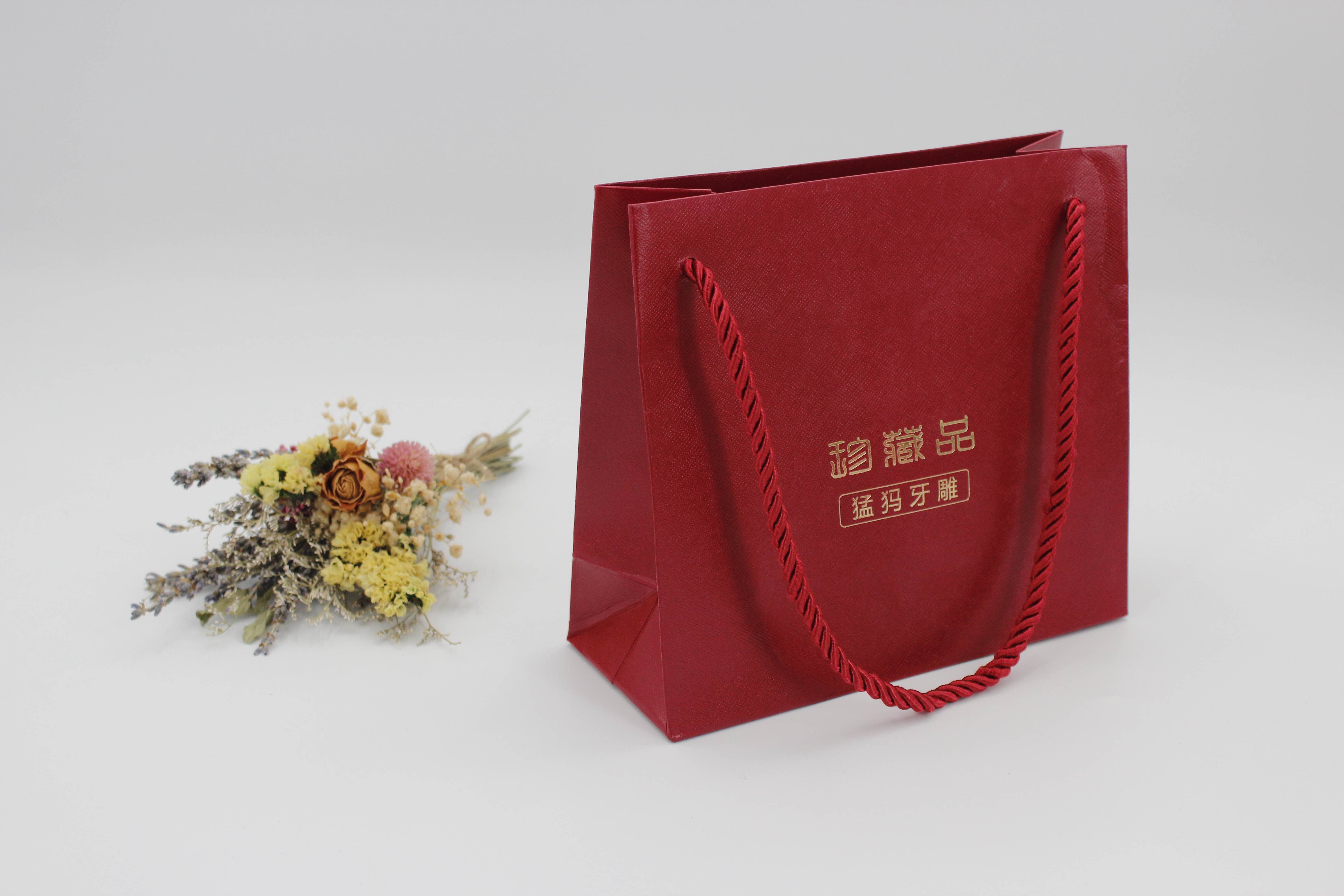
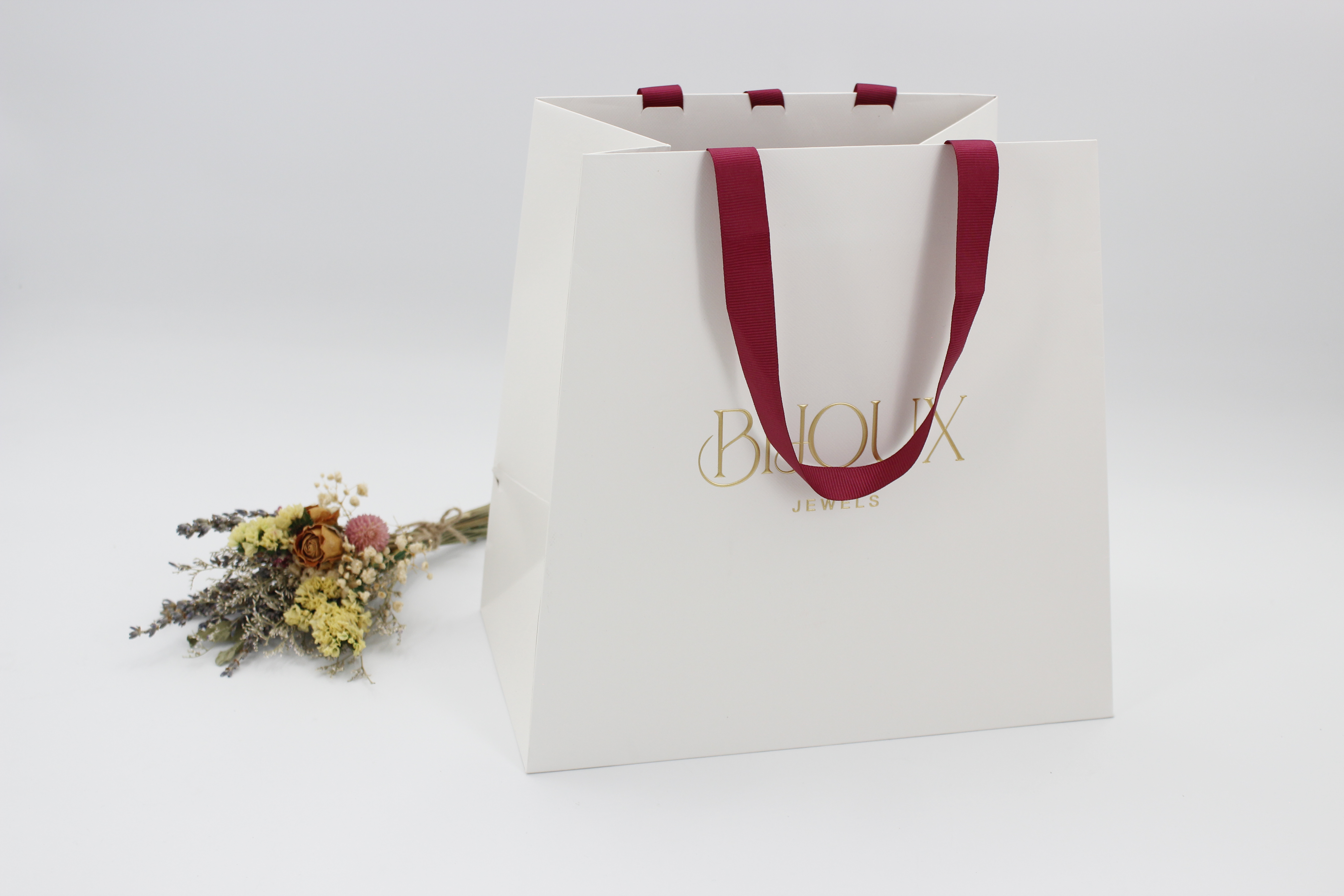
Magnetic closure Jewelry box shipments from China grew 22% year-over-year in 2025, as DTC jewelry brands prioritize unboxing experience, low transport damage rate and flexible minimum order quantities for their global supply chains. Unlike traditional flip-top or snap-fit packaging, magnetic designs deliver a premium silent opening feel while remaining durable for repeated use by end customers.
Common Core Varieties of Magnetic Closure Jewelry box Used by Global Jewelry Brands
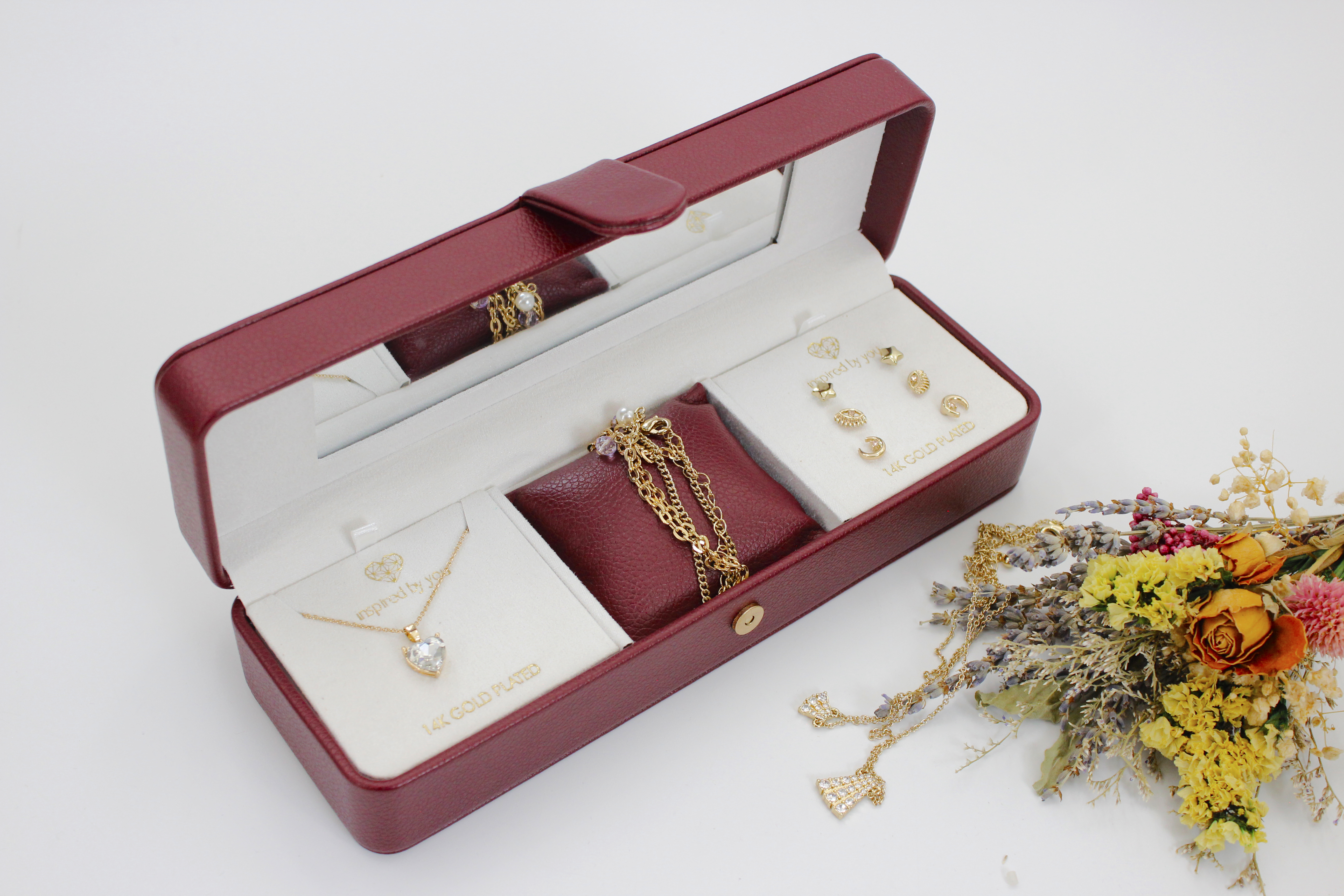
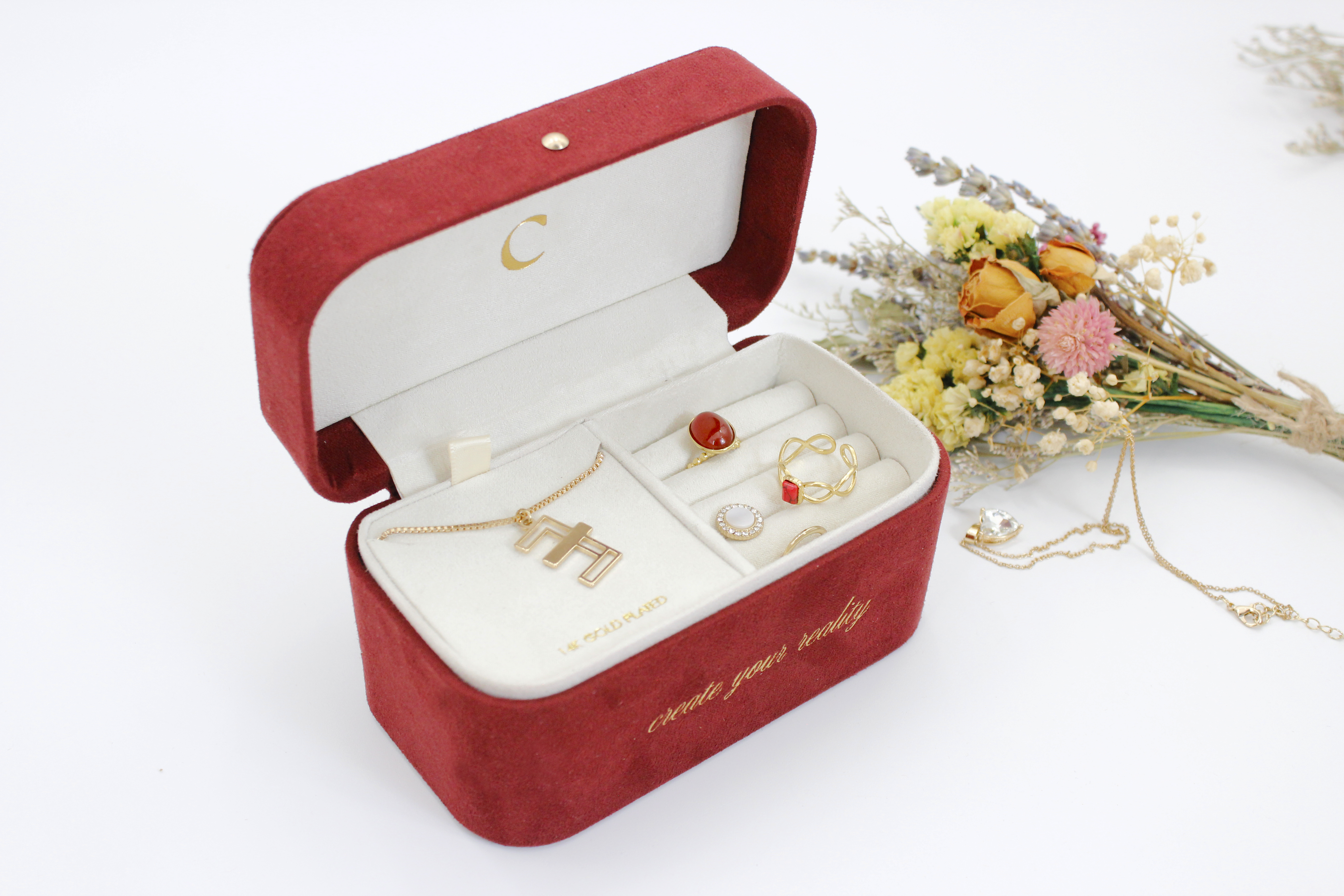
Industry data shows 72% of custom magnetic jewelry packaging orders placed by European and North American brands in 2024 selected one of five standardized base structures, which can cut down custom development cycles by 40% compared with fully original structural designs. The first type is the 20mm thin flat magnetic box, usually designed for necklaces, pendants and earrings, with slim profile that reduces storage space by 30% against conventional thick jewelry boxes. The second type is the dedicated single ring magnetic box, with pre-cut velvet EVA inner slot that fits most standard ring sizes from men’s wide band to tiny stackable style rings. The third type is the multi-compartment magnetic jewelry set box, which can hold 3-5 individual jewelry pieces for full gift sets, widely used by brands during holiday promotion seasons. The fourth type is the hidden magnetic drawer style jewelry box, with the magnet embedded on the side slide rail to avoid visible metal hardware on the outer surface, delivering a minimal aesthetic that is very popular among contemporary minimalist jewelry brands. The fifth type is the 10mm thick portable travel mini magnetic jewelry case, which comes with built-in small mirror and divided inner slots for users to carry several pieces of jewelry on short trips. All five structures can be adjusted for outer dimensions, printing and lining materials without full mold re-development, which makes them the most cost-effective choices for 90% of small to mid-sized jewelry brands.
Material and Cost Breakdown for Custom Magnetic Closure Jewelry box
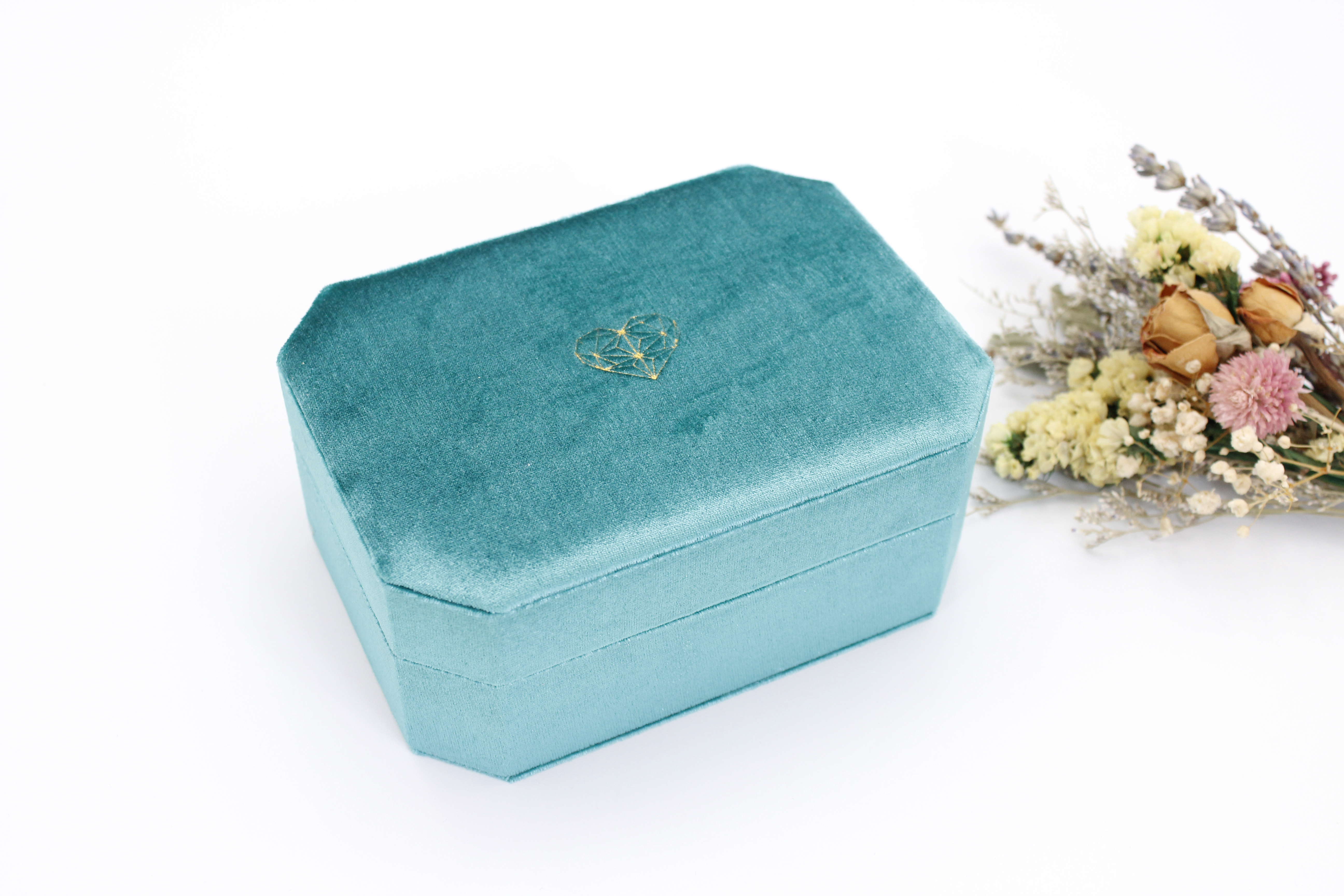
For most mid-range custom projects, the material cost of a standard magnetic Jewelry box accounts for 65% of the total ex-factory price, with printing, processing and labor making up the remaining 35%. The most common base cardboard thickness ranges from 1.2mm to 2.0mm, while premium heavy duty designs use 2.5mm cardboard to resist deformation during long distance intercontinental sea shipping. The surface paper options cover 120g textured art paper, pearlescent paper, linen grain paper and even plant-based fruit paper, with hot stamping, UV spot, embossment and Pantone full color printing available for brand logo and pattern customization. According to the 2026 global sustainable packaging industry survey, 61% of European and North American jewelry brands have added FSC material certification as a mandatory requirement for their packaging supply chain, which has eliminated more than 30% of small uncertified packaging factories from the cross-border export market. Many new brand owners overlook the magnetic force parameter when sourcing: standard magnetic closure for jewelry boxes should stay closed even when the box is dropped flat from a 70cm height, while weak low cost magnets will pop open unexpectedly and scratch the inner jewelry pieces during transport.
Practical 3-Step Procurement Process for Custom Magnetic Jewelry Boxes
Step 1: Confirm exact inner dimensions of your jewelry SKUs, target unit cost, and required minimum order quantity before contacting suppliers to avoid back-and-forth communication that extends development cycles by 10+ days. Step 2: Cross check three key parameters: magnetic closure suction force, outer packaging drop resistance from 80cm height, and color difference ΔE value that should be controlled below 2 to ensure brand logo visual consistency across all production batches. Step 3: Request a full production sample for 72-hour closed placement test with your actual product before mass production, to avoid structural mismatch issues that would cause waste after 3-4 weeks of formal production.
Typical Performance Comparison Between Mainstream Chinese Packaging Suppliers and HAOSUNG PACKAGING
| The typical MOQ for magnetic jewelry boxes from ordinary domestic Chinese packaging factories is 500 units, while small batch custom capacity remains a scarce resource across the industry. All data below are typical scheme calculation ranges, not single actual customer order data. | Evaluation Dimension | Traditional Chinese Packaging Supplier | HAOSUNG PACKAGING |
|---|---|---|---|
| Minimum order quantity | 500 units | 1 unit for sample, 100 units for mass custom | |
| Standard lead time for mass production | 15-20 working days | 10-12 working days | |
| Tolerance of color difference ΔE | ≤3.0 | ≤1.5 | |
| FSC certification availability | 68% of small factories do not hold the qualification | Mandatory for all paper product lines with certification number C180570 | |
| Free design service | 2-3 extra revisions charge $300+ in total | 10+ years experienced design team provides 3 rounds of free design revisions with 85% one-time pass rate |
I have worked on more than 200 jewelry packaging projects in the past 12 years, and I personally think the most easily ignored hidden cost of magnetic jewelry packaging is not the unit ex-factory price, but the overstock loss caused by high MOQ requirements. For small brands that update 20% of their SKU line every quarter, the overstocked packaging waste usually accounts for 12% of their total annual packaging budget, far higher than the 3% unit price difference between different suppliers. A mid-sized European jewelry brand that sells handcrafted silver accessories across 7 countries previously cooperated with a traditional packaging supplier, using standard 1.5mm cardboard magnetic boxes. Their original scheme had 7% of packaging damaged during long distance sea transport, and the MOQ of 1000 units per SKU led to more than 12000 pcs of overstocked packaging after they discontinued 3 slow-selling jewelry lines. After switching to the optimized scheme from HAOSUNG PACKAGING, they upgraded the outer cardboard thickness to 2.0mm while keeping the unit cost almost unchanged, reduced packaging damage rate to less than 0.5%, and adopted the 100 unit MOQ rule to cut their annual overstock cost by 62% in 2024. The brand’s unboxing related social media UGC content also increased by 210% in 6 months.
As 2026 brings stricter carbon emission and recyclability requirements for packaging exported to EU and North American markets, choosing the right type of magnetic closure Jewelry box that balances cost, experience and compliance will become one of the core competitive advantages for small and mid-sized global jewelry brands. HAOSUNG PACKAGING’s full product matrix of 154+ SKUs can support brands from initial small batch testing to large scale mass delivery, avoiding the common pain point of mismatched supply chain capacity during the brand growth stage.
Q: What is the average lead time for custom magnetic jewelry box orders from Chinese suppliers?
A: For standard structures, sample production takes 5-7 working days, and mass production for 100-5000 unit orders usually takes 10-12 working days, excluding international sea or air shipping time to the destination port.
Q: Can magnetic closure jewelry boxes be customized with eco-friendly degradable materials?
A: Yes, qualified suppliers can provide FSC certified cardboard, seed paper surface treatment and fully compostable inner EVA lining options, to help brands meet the 2030 EU PPWR packaging recyclability requirements.
Q: What is the typical unit price range for small batch custom magnetic jewelry boxes?
A: For orders between 100 and 500 units, the unit price usually falls in the $1.8-$4.2 range, depending on structure complexity, printing process, lining material and custom logo requirements.