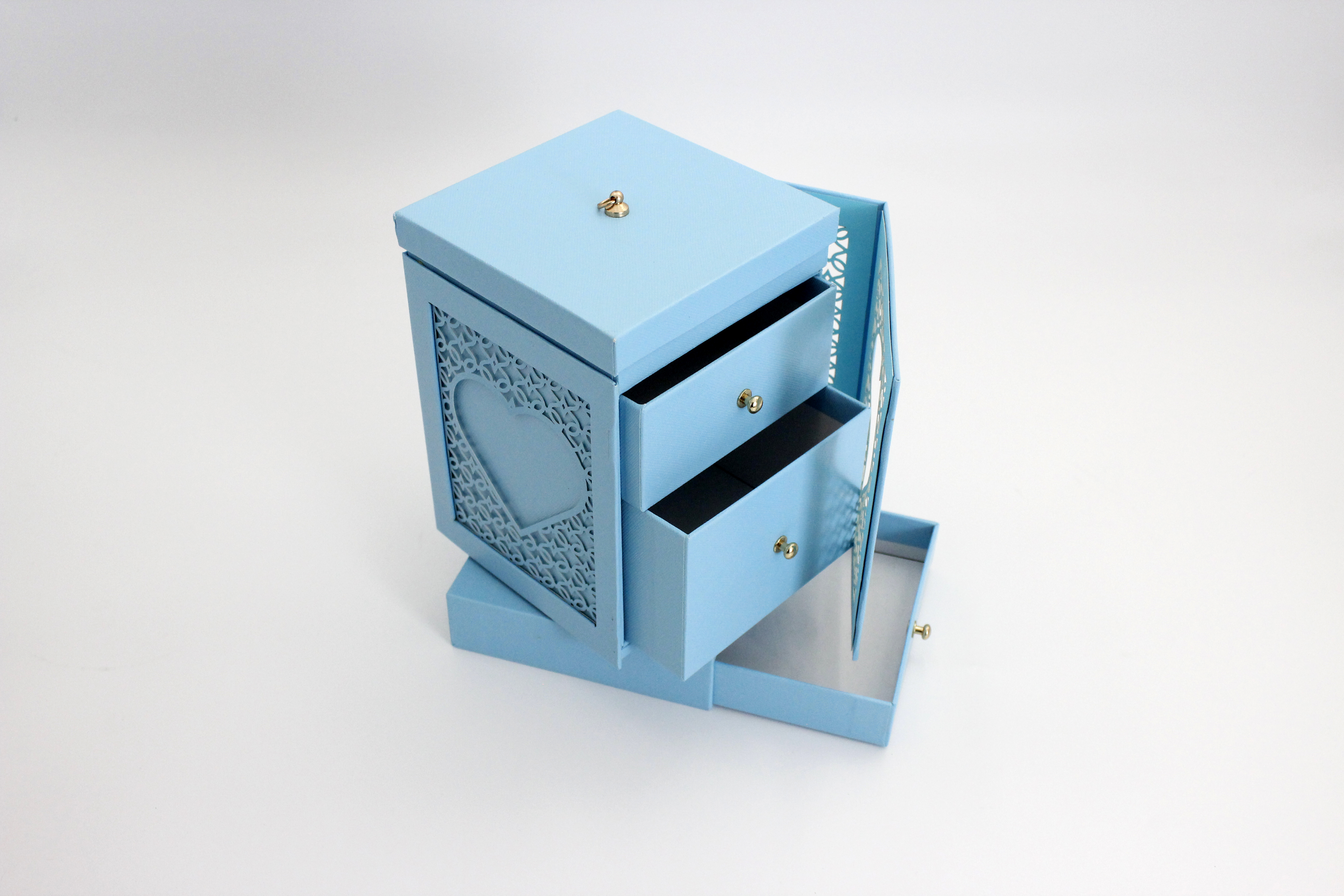
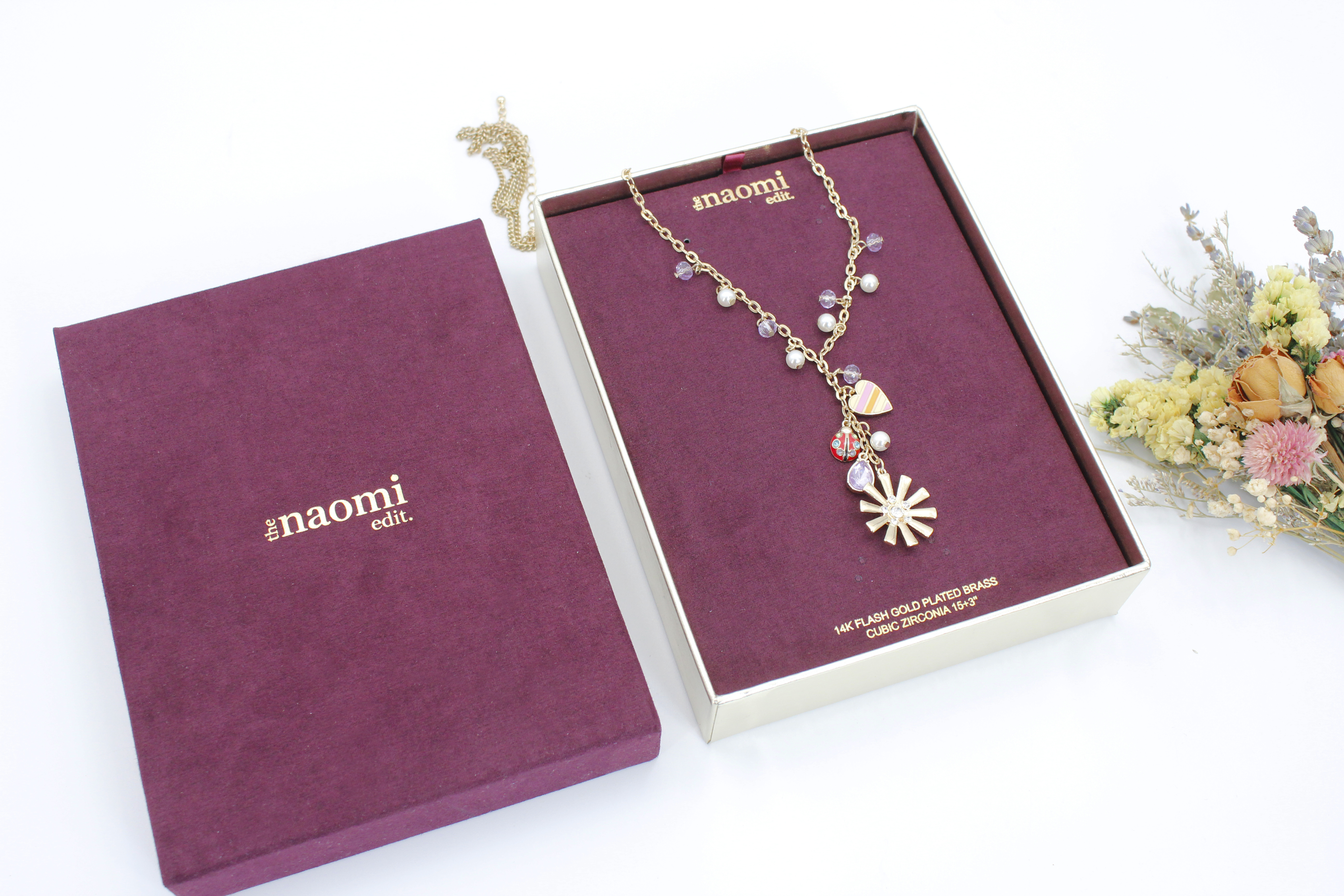
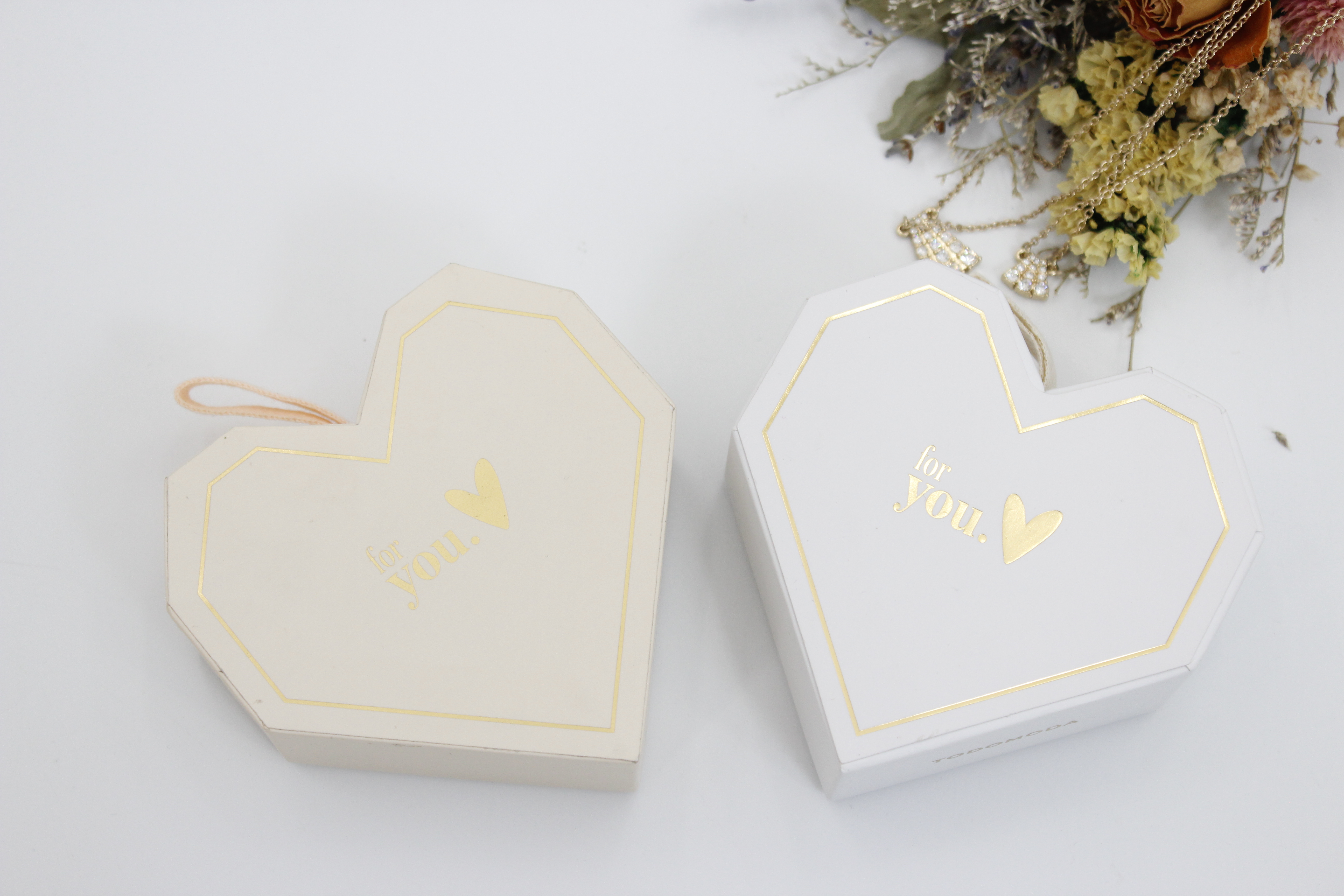
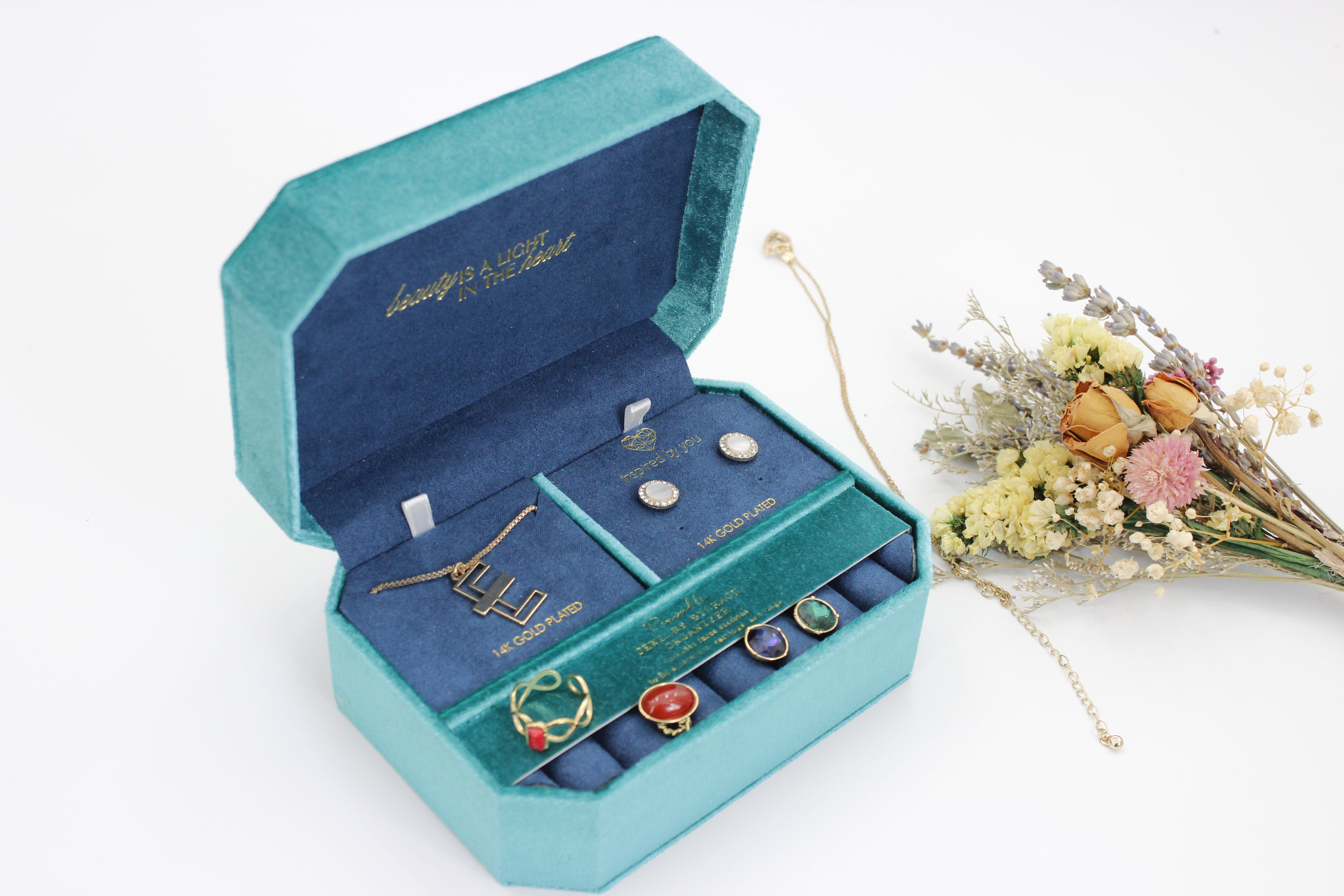
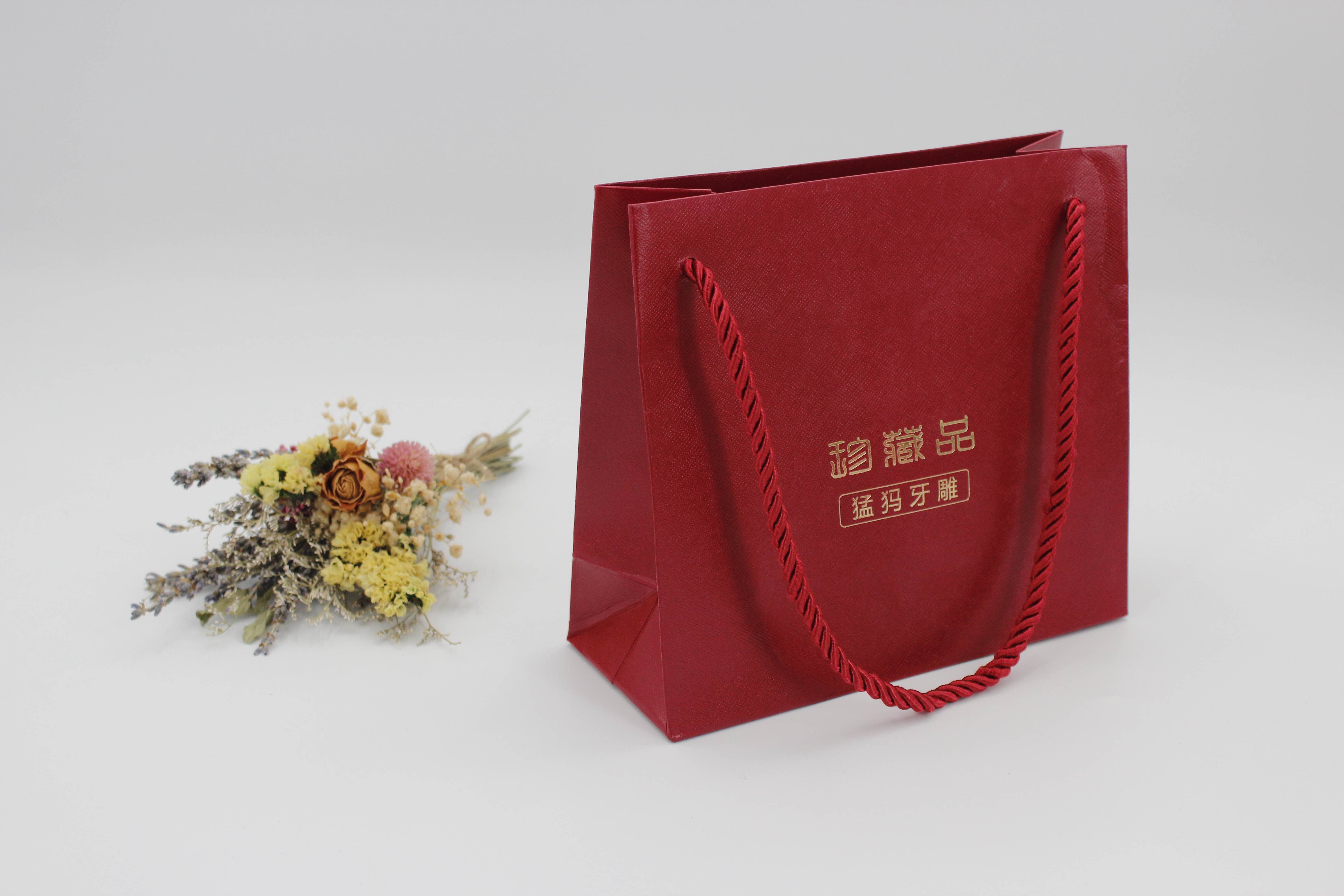
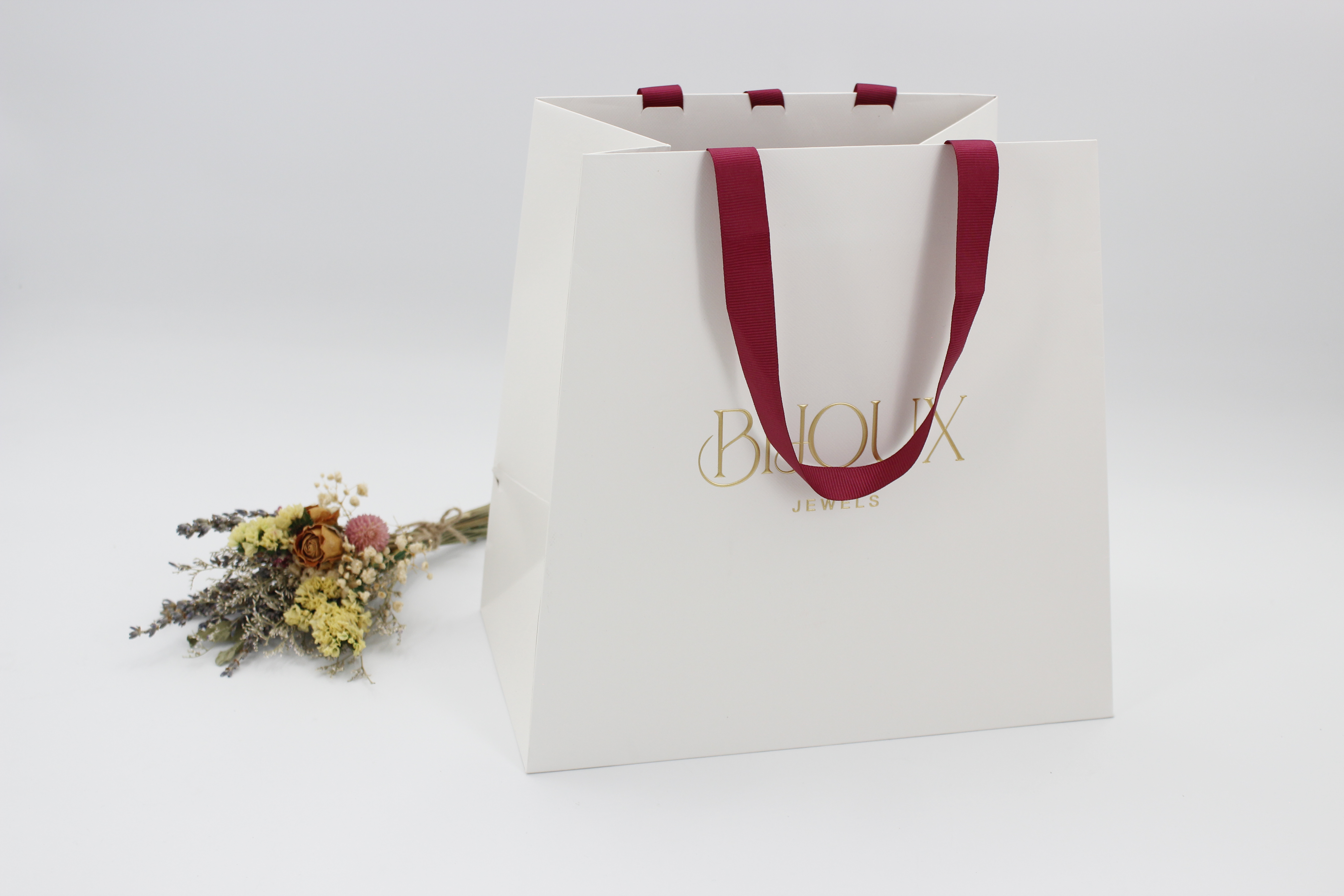
When jewelry buyers receive their orders, the initial physical touchpoint is almost always the jewelry box organizer. It sets the perceived value in under five seconds. Industry data reveals that over 80% of packaging factories are small-scale operations with annual revenue below RMB 50 million, which directly impacts consistency and quality control. As a senior packaging specialist at HAOSUNG PACKAGING, I’ve spent 18 years guiding jewelry brands through these challenges. In this article, I share 10 practical tips for choosing a jewelry box organizer that protects your product, resonates with your customers, and supports your growth.
1. Protect the Product First: Interior Cushioning and Fit
Industry drop tests show that a jewelry box organizer with EVA foam or PU inserts reduces transit damage by up to 65% compared to cardboard‑only designs. Protection is the non‑negotiable core function of any jewelry box, and the wrong interior can damage both your product and your brand’s reputation.
Product dimensions must be measured carefully before selecting a box. The interior slot should hold each piece of jewelry snugly but not tightly, and a 5‑millimeter clearance on each side is a safe starting point for most rings and pendants.
Anti‑tarnish lining is an often‑overlooked feature that extends the life of your jewelry presentation. Flannel, velvet, and microsuede are reliable choices, and lab tests at HAOSUNG PACKAGING show that a sulfur‑free fabric layer can keep polished silver bright for 3–4 months in storage. Avoid cardboard with high sulfur content because it accelerates discoloration.
2. Material Matters: Paperboard, PU, and Beyond
The substrate determines both perceived quality and unit cost, and the gap between low‑end and premium materials is surprisingly wide. HAOSUNG’s automated color management holds batch‑to‑batch Delta E under 1.5, while the industry standard allows 3.0; for jewelry packaging, this consistency is essential because your logo and brand colors must remain identical across every order.
Rigid paperboard and PU leather differ dramatically in both cost and tactile feel. Rigid paperboard—typically 2–3 mm thick—gives a heavy, premium presence at a lower price point. PU leather adds a soft‑touch exterior and better scratch resistance, but it usually increases the unit price by $0.8–$1.5 per box. A luxury bridal line often justifies PU leather, while a DTC fashion brand may prefer the cost balance of paperboard.
Color proofing with a physical sample is mandatory before mass production. A visual proof on screen cannot accurately represent foil, emboss, or spot UV. According to our production records, 85% of packaging design revisions happen after the first physical sample, so ordering an early mock‑up is a wise step.
| Material | Durability | Indicative Unit Cost (USD) | Sustainability | Ideal For |
|---|---|---|---|---|
| Cardboard | Medium | $0.5–$1.5 | Recyclable, but often low‑end if unlaminated | Budget‑friendly fashion jewelry |
| Rigid paperboard | High | $2.0–$4.5 | FSC‑certified options available | Standard jewelry and gift sets |
| PU leather over board | Very high | $3.5–$7.0 | Synthetic leather, more durable | Luxury and bridal collections |
| Wood (e.g., birch) | Very high | $5.5–$12.0 | Biodegradable, FSC‑certified wood | Heirloom or high‑end retail |
3. Structure and User Experience: Hinged, Drawer, and Unboxing
A jewelry box organizer is not just a container—it is a stage for the unboxing ritual. A European jewelry brand using HAOSUNG’s magnetic hinged boxes with velvet interiors reported a 35% improvement in customer NPS score and over 200% growth in organic social media exposure from unboxing videos. Those numbers show how structure directly influences marketing performance.
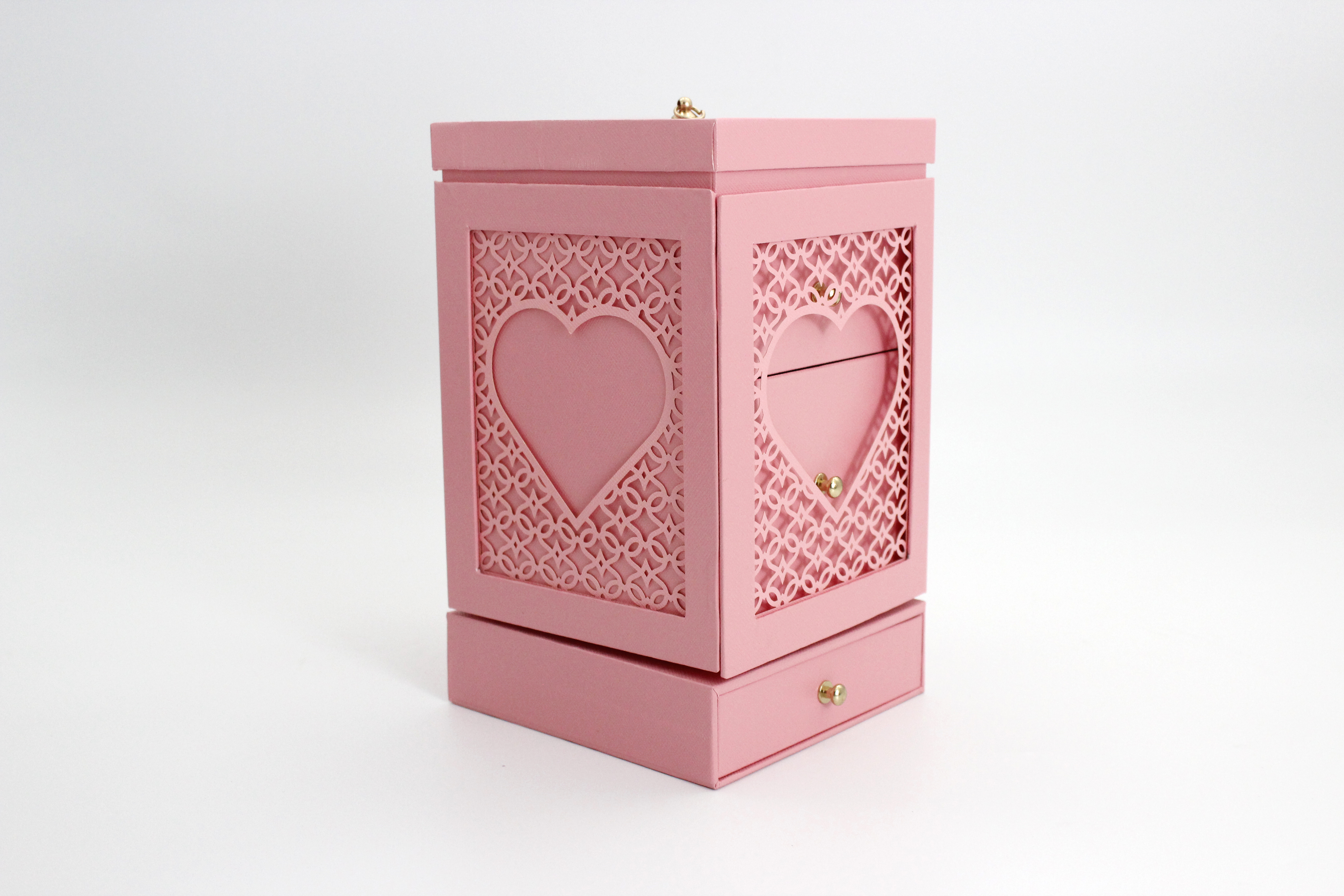
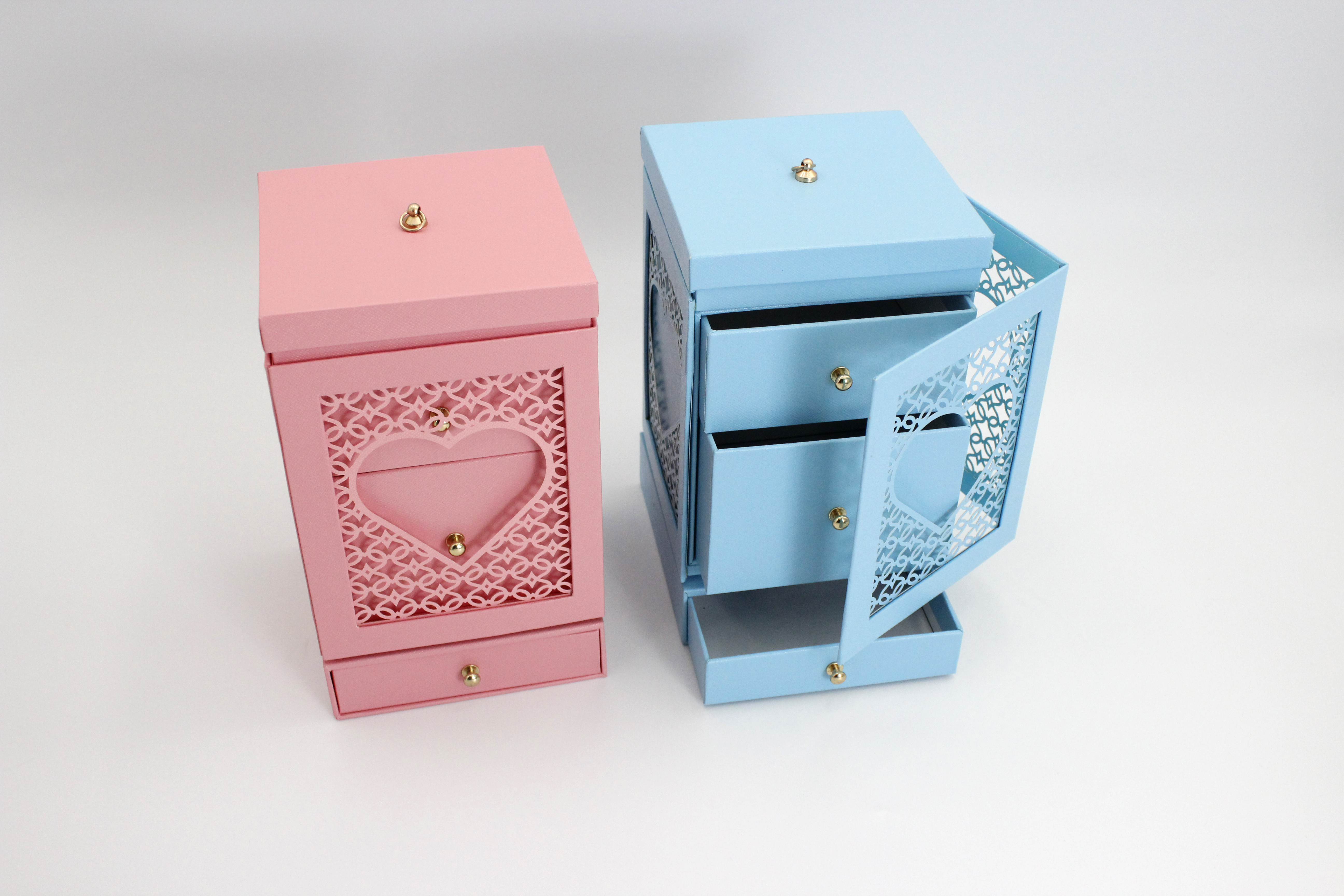
The product category should dictate the box structure. For rings and bracelets, a hinged box with a magnetic closure feels secure and elegant; for necklaces, a drawer box or a flat lay‑flat design prevents tangling. Adding a magnetic closure costs about $0.2–$0.5 per box, but it dramatically improves the tactile experience.
Display functionality matters as much as storage. If your jewelry is sold in showcase counters, a lidless or window‑style box helps customers see the piece without opening. A clear PVC window adds only $0.1–$0.3 per unit, yet retail fixture tests indicate that this feature can increase shelf conversions by 20–30%.
4. Customization, MOQ, and Design Services
The single biggest pain point for emerging jewelry brands is the small‑volume paradox: traditional factories often refuse to run fewer than 500 pieces, while a young brand may only need 50 or 100 units. HAOSUNG PACKAGING turns this upside down with a 1‑piece MOQ, and it also offers free design services that save clients 100% of the typical $200–$500 per‑project outsourcing fee.
Design support is a critical selection criterion that buyers often overlook. A skilled in‑house design team should know how to translate a brand logo into deboss, foil stamp, or Pantone‑matched finish; our 10‑year design team achieves an 85% first‑pass approval rate, meaning eight out of ten designs move to production without major revisions. This prevents the “looks beautiful but cannot be produced” disappointment.
MOQ flexibility should be evaluated early in the relationship. For a startup, a 1‑piece MOQ allows validation for under $50. As the brand scales, volume pricing gradually reduces per‑unit packaging cost by 15–20% when order quantities increase beyond 5,000 pieces, based on typical HAOSUNG pricing curves.
5. Sustainability and Certification: The 2026 Standard
By 2026, the EU PPWR will require all packaging placed on the European market to be recyclable, and FSC certification is quickly becoming the minimum ticket for premium retail channels. HAOSUNG’s FSC‑certified paperboard (certificate number C180570) already covers over 80% of its paper‑based jewelry box product line, and its seed paper cards turn packaging into a plantable item—an idea that generated over 5,000 organic UGC posts for one skincare brand.
The supplier’s FSC certificate should be verified before discussing price. Brands that skip this step often face urgent re‑packaging costs when a retail partner audits their supply chain; in our experience, 3 out of 10 first‑time clients have encountered a packaging compliance issue in their first year.
Eco‑friendly materials should be used as a marketing story, not just a regulatory checkbox. Seed paper, Fruit Paper, and recycled boards give a jewelry box a narrative that customers enjoy sharing. For example, a small DTC brand used HAOSUNG’s seed paper card for a new ring collection, and the “plant your packaging” feature drove 500+ social shares in the launch week. These materials typically cost 3–5% more than virgin paperboard, but the earned media value far outweighs the premium.
HAOSUNG vs. Traditional Packaging Suppliers: A Quick Guide
| Selection Factor | Traditional Factory | HAOSUNG PACKAGING |
|---|---|---|
| MOQ | 500–1,000 pieces | 1 piece |
| Design fee | $200–$500 per project | Free (DaaS) |
| FSC certification | Only about 30% of suppliers | Yes, FSC C180570 |
| Delta E color tolerance | Up to 3.0 | Within 1.5 |
| Product categories | Usually 1–2 types | 6 categories, 154+ SKUs |
| Batch consistency | Inconsistent | Automated processes guarantee uniformity |
Real-World Example: A CBD Brand Cut Packaging Costs by 35%
A North American CBD brand approached HAOSUNG PACKAGING in early 2025, frustrated with high local packaging prices and slow lead times. By switching to our child‑resistant glass jar with a magnetic lid and Mylar bag, they reduced packaging costs by 35% compared to their previous U.S. supplier. Within three months, they launched in five U.S. states and scaled from 10,000 to 80,000 units per month. That is the operational impact of choosing the right jewelry box organizer—and by extension, a flexible packaging partner who understands speed, compliance, and cost.
FAQ
Q: What is the ideal MOQ for a custom jewelry box organizer?
A: For most emerging brands, a low MOQ like 1–50 pieces is ideal for testing. Traditional suppliers often require 500 pieces, but a flexible partner like HAOSUNG PACKAGING allows a 1‑piece start, enabling designers and small brands to validate a concept with minimal risk and cost.
Q: How can I tell if a jewelry box supplier is honestly FSC-certified?
A: Ask for the supplier’s FSC certificate number and verify it directly on the FSC official database. HAOSUNG’s FSC number is C180570, and we are happy to show the certificate during your audit. Also, request confirmation that the certificate covers the specific paper grade you plan to use.
Q: What interior material is best for tarnish prevention?
A: Velvet, flannel, and microsuede are reliable choices for reducing tarnishing. Look for non‑woven fabrics that are acid‑free and sulfur‑free. At HAOSUNG PACKAGING, our standard velvet and EVA inserts are designed to keep jewelry safe and low‑maintenance for up to a year in normal storage conditions.
Q: How long does it take to produce a custom jewelry box order?
A: Typical lead time for a custom order from HAOSUNG is 15–25 days for 100 pieces, depending on design complexity. For large orders of 10,000 pieces or more, lead time extends to 35–45 days. Design iterations, however, can be completed in as little as 2–3 days with our free DaaS service.
Final Thoughts
Choosing the right jewelry box organizer is an investment in brand equity, not just a procurement decision. Focus on protection, proportional budget, and long‑term value. Ask for certifications, samples, and color proofs before you place an order. HAOSUNG PACKAGING’s 18 years of industry experience, 154+ SKU product matrix, and 1‑piece MOQ make it a practical partner for both emerging luxury labels and established retail brands. Whatever your volume, start with a sample—and let the box reflect the quality of the jewelry inside.