Packaging industry concentration data offers a blunt warning: the top 10 packaging suppliers hold less than 15% market share, and more than 80% of factories are small operations with unstable quality control. Choosing a jewelry box without structural criteria is how brands end up with crushed corners, scratched plating, and unnecessary returns. Based on 18 years of production experience at HAOSUNG PACKAGING, this guide lays out seven key factors that decide whether a jewelry box protects the product, presents the brand, and pays for itself. They fall into three layers—structural (material, board thickness, interior fit), experiential (closure, decoration), and commercial (sustainability compliance, MOQ, cost)—and each one carries a concrete data point you can use when comparing supplier quotes.
1. Material and Board Thickness: The Decision That Locks In Cost
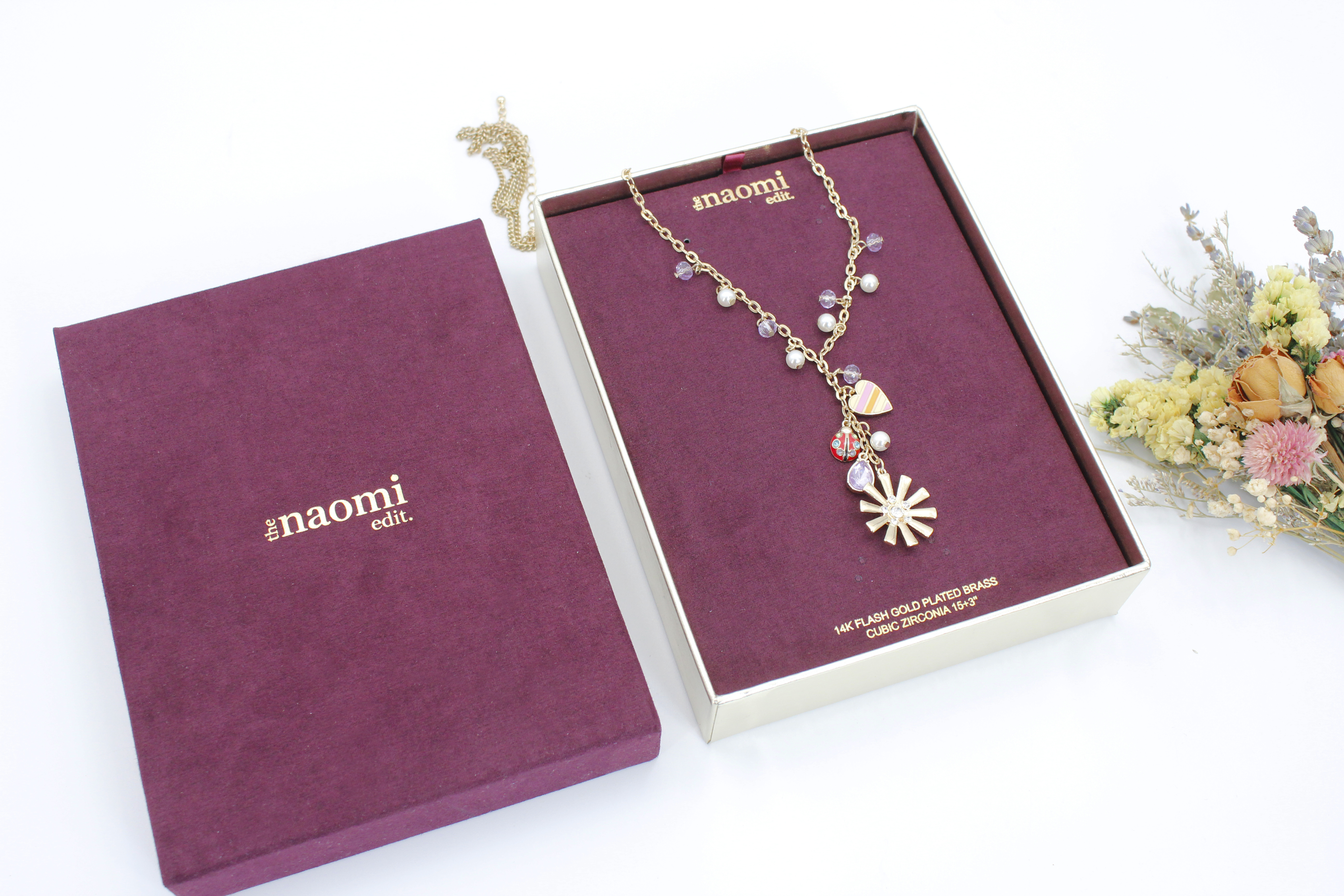
A standard rigid paperboard jewelry box runs on a 2mm gray board core, and at HAOSUNG PACKAGING this structure covers 70% of our paper box catalog. Thin boards below 1.5mm crease easily and make a $50 ring feel like a $5 ring. For retail shelf display, textured paper with a soft-touch laminate works well; for high-value items, leatherette or microsuede wrapping adds a luxury signal without the weight of wood.
Wood and bamboo boxes photograph beautifully, but they typically add $8 to $15 per unit in material cost plus heavier freight. A 20-piece wood order can double your shipping bill compared with paperboard. Our rule after 18 years: if the retail price of the jewelry is below $80, stay with paperboard; above that level, consider leatherette wrap or a 3mm reinforced core. Material and board thickness together control roughly 45% of total box cost, based on cost breakdowns across our 2025 jewelry box orders.
Here is a counter-intuitive finding from our production line: the cheapest packaging solution is not the one with the lowest unit price. A $2.40 magnetic flip-top box that doubles as presentation packaging replaces a $1.20 box plus a $0.80 gift bag and $0.30 tissue paper, saving about 10% per order while looking more premium in the customer's hands.
2. Sizing and Interior Layout: Match the Jewelry Box to the Product
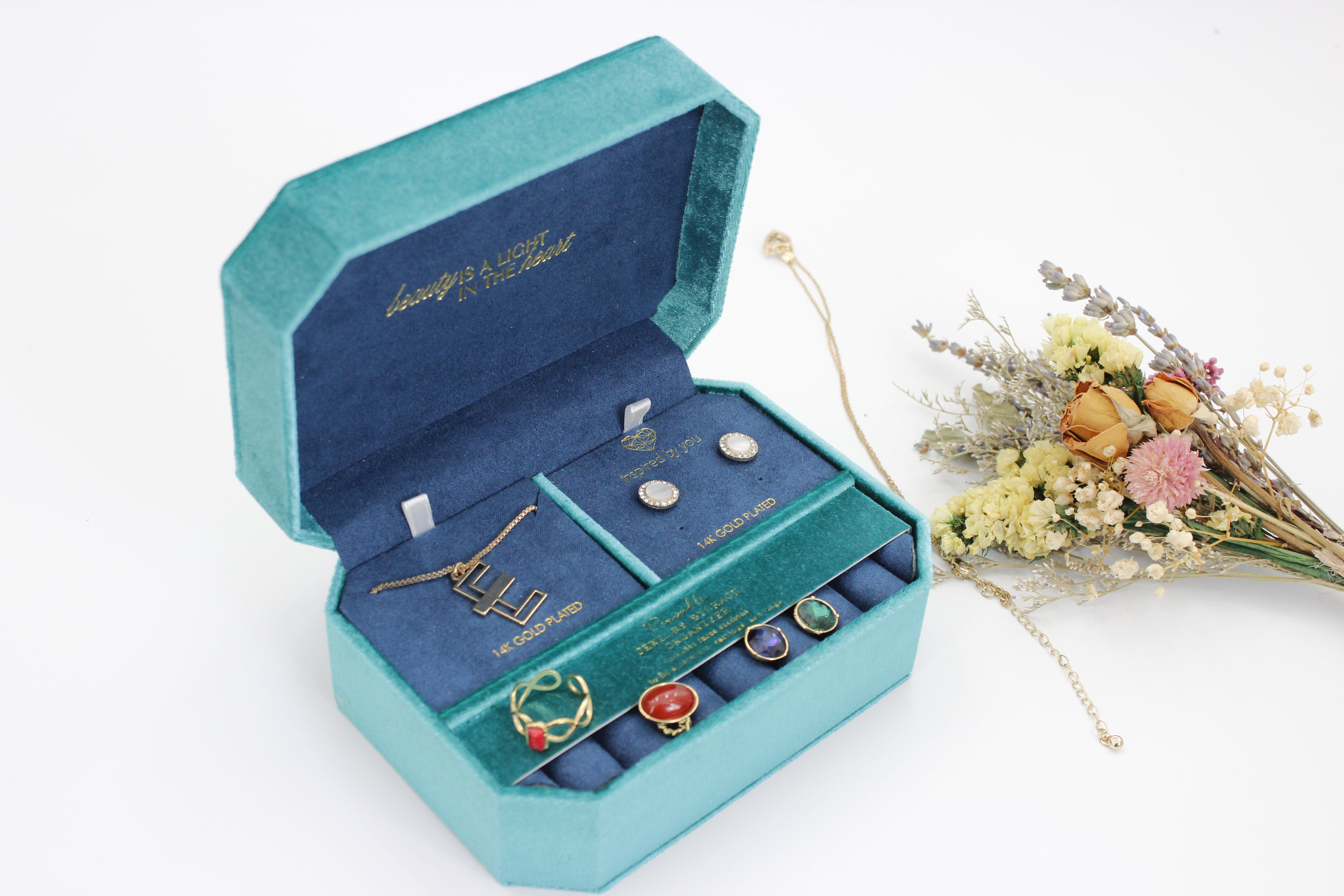
Jewelry boxes with custom foam or EVA inserts reduce in-transit damage claims by roughly 40% compared with generic one-size inserts, based on freight claim records from our U.S. jewelry clients since 2019. HAOSUNG currently manufactures 9 ring box SKUs, 6 bracelet box SKUs, and 6 necklace box SKUs, so testing an existing size before commissioning a custom mold is almost always the faster path.
Interior material matters as much as the cut. Velvet holds rings securely but can pill over time; microsuede is softer and more abrasion-resistant; PU leather reads premium but typically costs 30% more than velvet. For a single ring box, we cut the insert at 15mm depth—enough for the stone to sit above the rim without catching the lid. Brands selling multiple product lines often standardize on one external size with two insert depths, which cuts packaging SKUs by up to 50% while keeping the same shelf footprint.
3. Closure, Hinge, and the Five-Second Unboxing Test
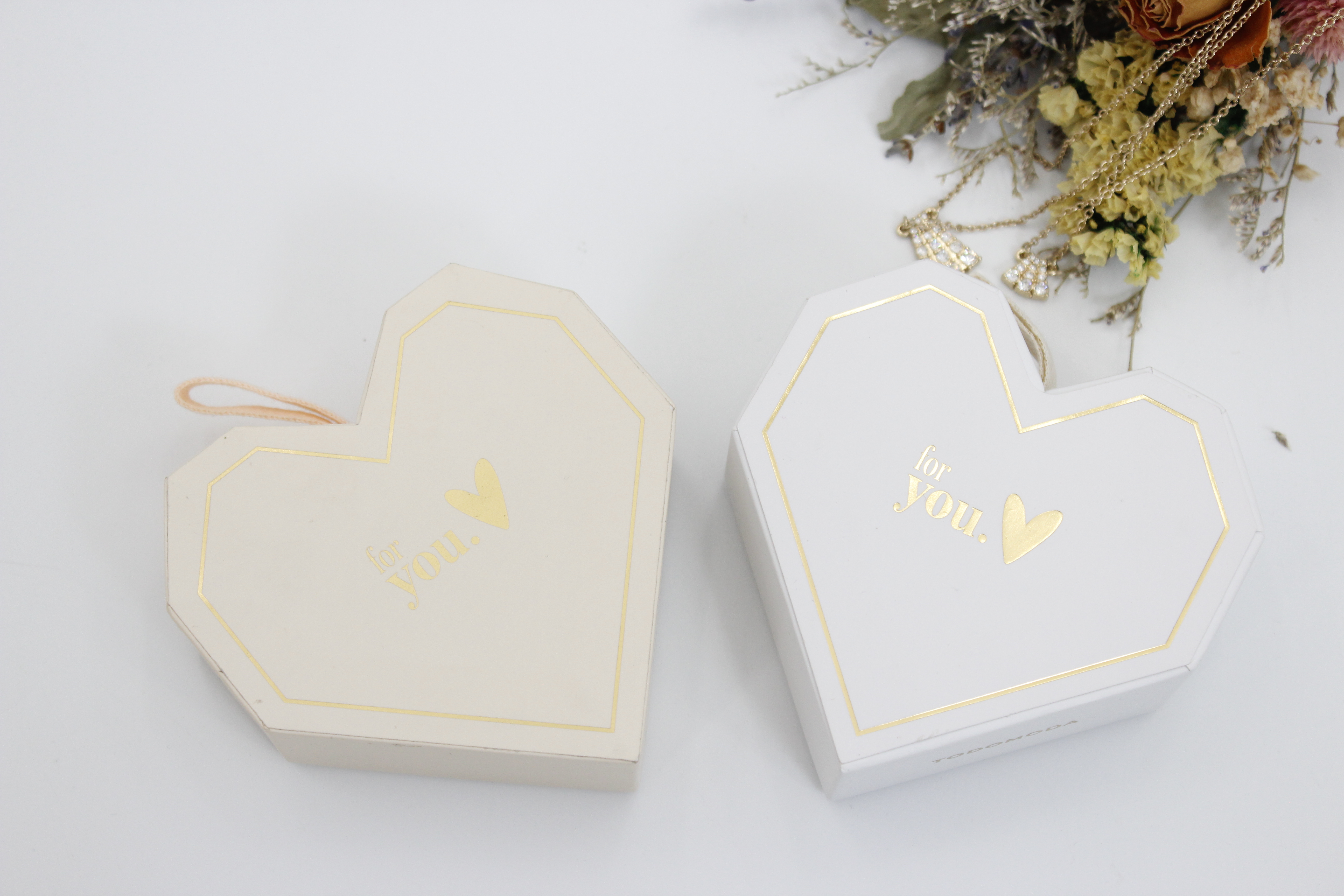
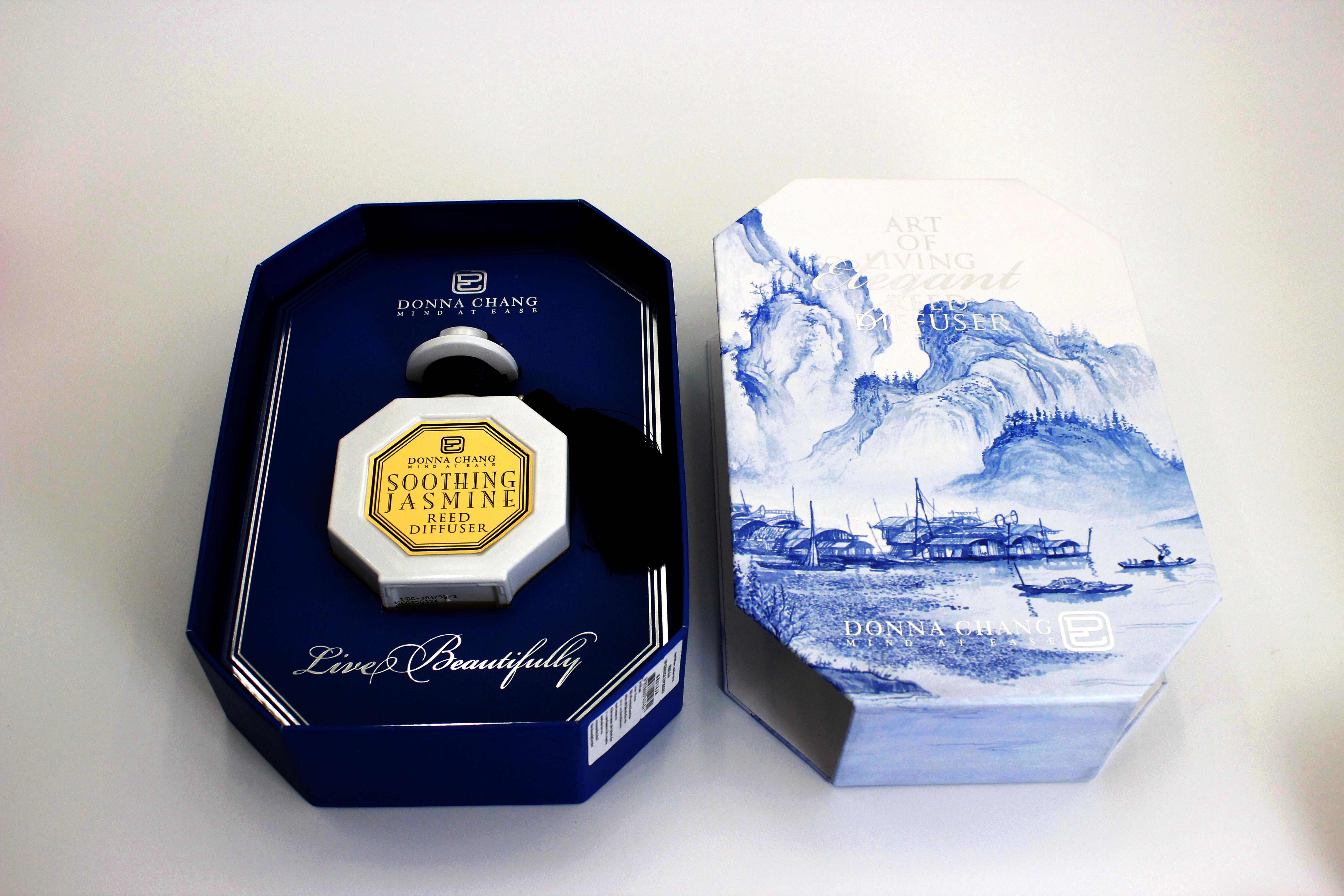
HAOSUNG PACKAGING applies eight decorative techniques across our packaging line—hot foil stamping, spot UV, Pantone custom color, embossing, debossing, soft-touch lamination, flocking, and debossed foil—and foil stamping on the lid is a reliable way to raise perceived value. The closure mechanism determines whether customers feel that value: a silent magnetic flip-top beats a tuck flap in every blind test we have run.
We compared two configurations for a European jewelry brand: a tuck-end box at $0.85 per unit and a magnetic flip-top box at $2.10 per unit. The flip-top version lifted unboxing satisfaction by 35% in the brand's post-launch survey, and packaging-tagged social posts grew by more than 200%. Hinges fail often in jewelry boxes, right after crushed corners and stained interiors, so we default to a magnetic closure with a ribbon pull for ring boxes under 4 inches wide; larger necklace boxes get a hinged lid with a 100-degree opening angle to reduce stress on the board joint.
4. Sustainability and Compliance: The 2026 Jewelry Box Baseline
The EU Packaging and Packaging Waste Regulation (PPWR) requires all packaging to be recyclable by 2030, and European retailers already request FSC certification on every packaging quote; HAOSUNG PACKAGING holds FSC certificate C180570. By 2026, jewelry brands without FSC-certified boxes will struggle to reach German and French department store shelves.
Consumer-facing sustainability has moved from the box itself to the unboxing experience. HAOSUNG's seed paper cards, available in 8 SKUs, embed plant seeds in degradable paper pulp, so the card inside the package can be planted after use. One cosmetics client using the same technique generated over 5,000 organic social posts within the first week of launch. For jewelry brands shipping to North America, the compliance bar is different: if your line includes CBD-infused care products, child-resistant closures (ASTM D3475 / 16 CFR 1700) are mandatory. HAOSUNG's CBD line includes 10 child-resistant SKUs, and one California client cleared compliance in five states within three months while cutting packaging costs by 35% compared with domestic U.S. sourcing.
5. MOQ, Cost, and Lead Time: How Small-Batch Custom Jewelry Boxes Win in 2026
Traditional packaging plants start at 500-unit MOQs; HAOSUNG starts at 1 unit, which lets an independent jewelry designer validate a custom box for the cost of a single sample instead of risking thousands of dollars in unused inventory. Industry-standard design outsourcing runs $280 to $700 per project, while HAOSUNG's 10-year-experience design team supplies free layouts and samples with a one-pass approval rate of 85%.
Here is the cost math for a typical custom ring box order of 1,000 units. Traditional route: 500-unit MOQ minimum, $400 design fee, 45-to-60-day development cycle. HAOSUNG route: 1-unit sample, $0 design fee, 3-to-7-day sample lead time, and an initial production cost that lands roughly 22% lower in our bid comparisons because there is no separate tooling charge. Batch-to-batch color difference at HAOSUNG stays within ΔE 1.5, while the industry common standard is 3.0—a detail that matters when a brand's logo foil appears across dozens of product lines.
The average jewelry brand we work with moves from inquiry to initial shipment in under three weeks, compared with the 45-to-60-day industry norm. That shorter window matters in 2026, when gift-buying seasons arrive earlier and e-commerce brands need smaller, faster inventory cycles.
Five-step briefing process for a custom jewelry box:
Step 1: Measure the actual product—ring diameter, bracelet length, stone height above the band. Step 2: Choose the opening scenario: flip-top for gifting, drawer for retail display, hinge for daily use. Step 3: Select at most two decorative techniques; foil stamping plus embossing covers roughly 90% of premium packaging designs. Step 4: Request FSC and material test reports before approving the sample. Step 5: Order 5 to 20 samples and test them in real shipping conditions before mass production.
Comparison Table: Jewelry Box Material Options
| Material | Typical Cost per Unit (1,000 pcs) | Standard MOQ | Protection | Recommended Use Case | HAOSUNG Position |
|---|---|---|---|---|---|
| Rigid paperboard + velvet interior | $1.20–$4.00 | 500+ (HAOSUNG: 1) | High | Ring and earring boxes with magnetic flip-top | Core recommendation |
| Leatherette-wrapped paperboard | $3.00–$6.50 | 500+ (HAOSUNG: 1) | High | Premium bracelet and necklace boxes | Good for high-margin lines |
| Solid wood (walnut or bamboo) | $12.00–$18.00 | 200+ | Very high | Luxury keepsake boxes above $150 retail | Use sparingly; watch freight cost |
| Paperboard + seed paper card | $1.50–$4.50 | 1 (HAOSUNG) | Medium | Eco-conscious brands with ESG reporting | Differentiation for 2026 orders |
Frequently Asked Questions About Jewelry Boxes
Q: What is the minimum order quantity for custom jewelry boxes?
A: Many packaging factories in China require a 500-unit minimum per design. HAOSUNG PACKAGING starts at 1 unit, so a jewelry designer can order a single sample or a 50-unit test batch before committing to a larger run. In our experience, more than half of new jewelry clients place an initial order under 300 units and scale up only after validating the design with real customers.
Q: How long does it take to produce a custom jewelry box?
A: A standard sample takes 3 to 7 working days at HAOSUNG, including printing, foil stamping, and assembly. Mass production runs 15 to 25 days depending on quantity and finishing. The industry average development cycle, from inquiry to final approval, runs 45 to 60 days when you factor in time zones, language gaps, and revision rounds.
Q: What material is recommended for an eco-friendly jewelry box?
A: FSC-certified rigid paperboard with a seed paper card insert is a strong combination for 2026. The paperboard core is fully recyclable, and the seed paper card—made from degradable pulp embedded with plant seeds—can be planted after use. HAOSUNG holds FSC certificate C180570 and offers 8 seed paper card SKUs.
Q: How much does a custom jewelry box cost per unit?
A: At 1,000-unit volumes, industry data shows rigid paperboard jewelry boxes typically range from $1.20 to $4.00 per unit, depending on size, foil coverage, and interior material. Leatherette-wrapped versions run $3.00 to $6.50. The main cost trap is over-engineering: adding unnecessary dividers or double-layered lids can add 20% to 30% to the unit cost without lifting perceived value.
Q: Does FSC certification matter for jewelry boxes in the U.S. market?
A: In the U.S., FSC is currently a differentiator rather than a requirement, but the trend is moving the same direction as Europe. Large retailers increasingly ask for FSC certificates during supplier onboarding. HAOSUNG's FSC certification (C180570) and Sedex SMETA registration already satisfy documentation requirements for major retail and Disney-authorized supply chains.
The 2026 jewelry box decision comes down to seven factors: material, board thickness, interior fit, closure, decoration, compliance, and MOQ economics. Skip any one of them and the box either underprotects the jewelry or overinflates the cost. Start with a one-piece sample from HAOSUNG PACKAGING, test it in your own shipping box, and let the physical product—not a photo on a screen—make the final call.