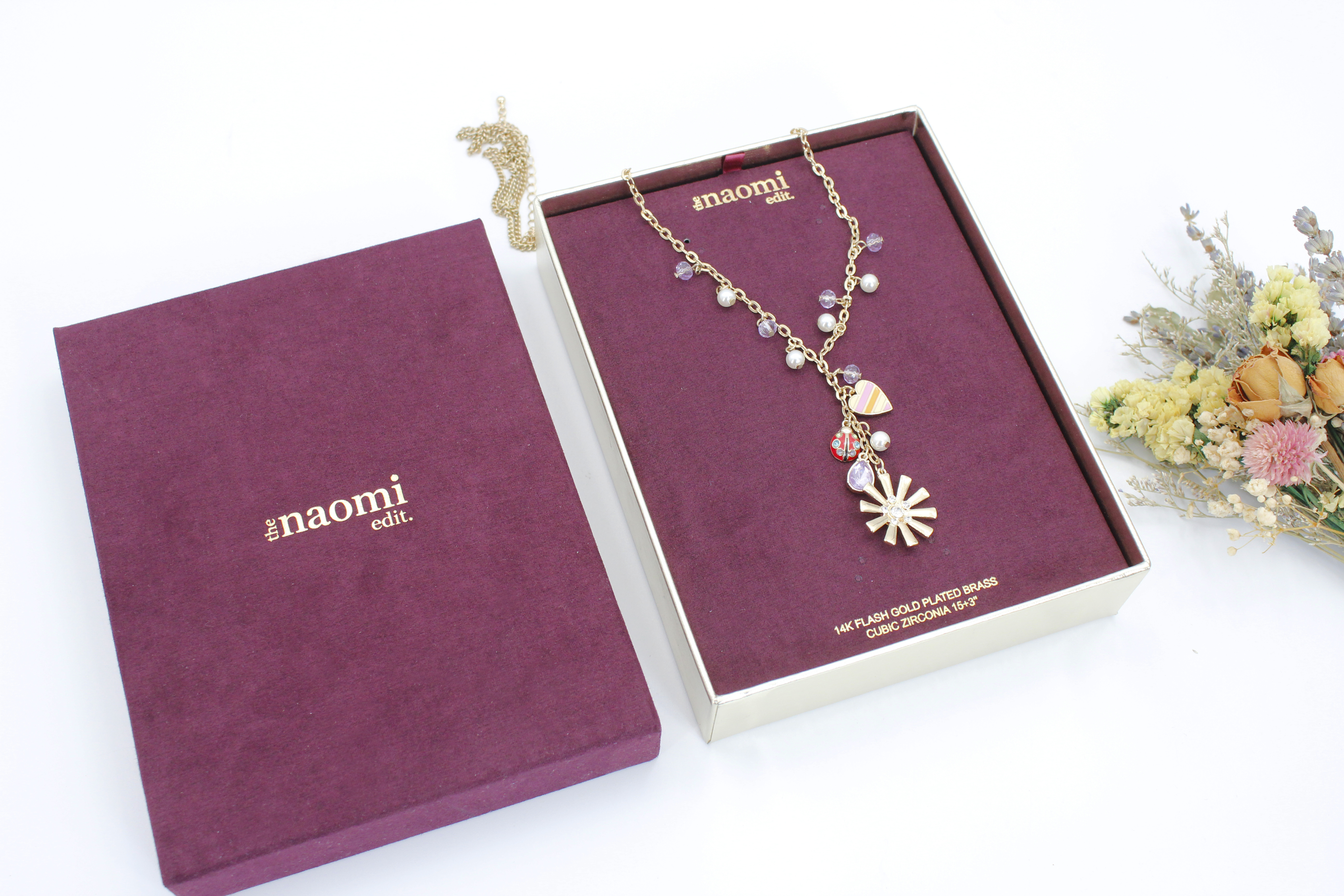
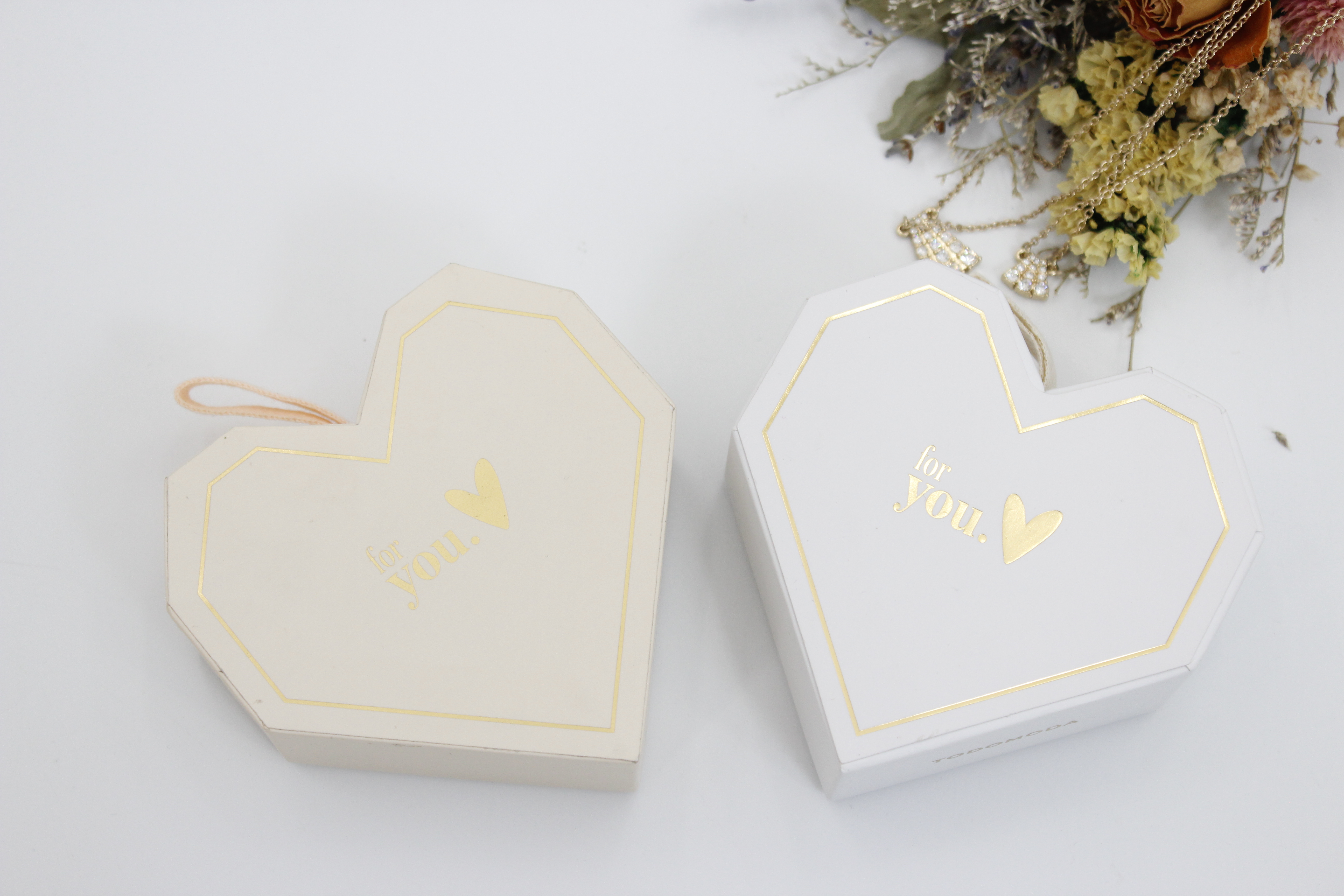
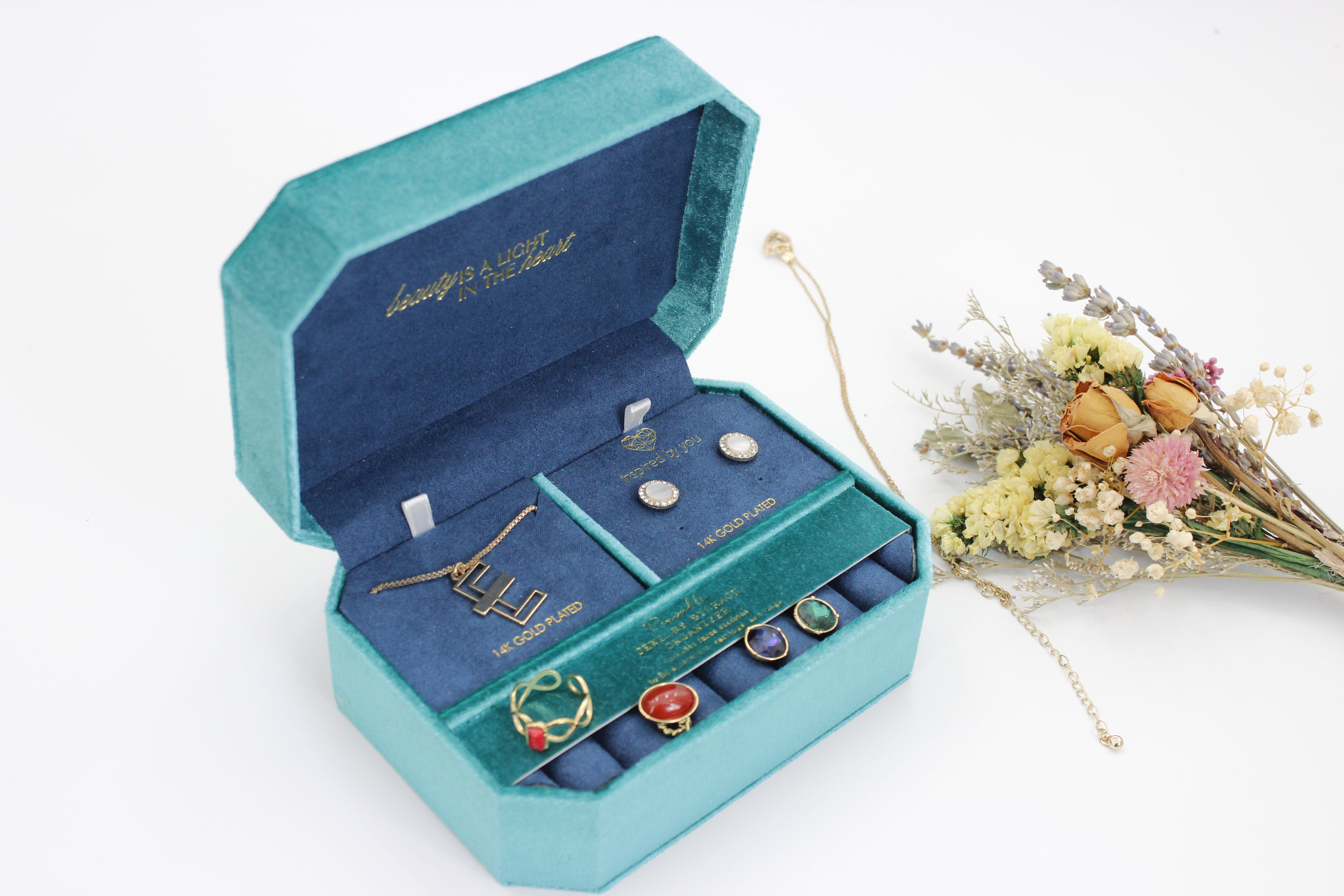
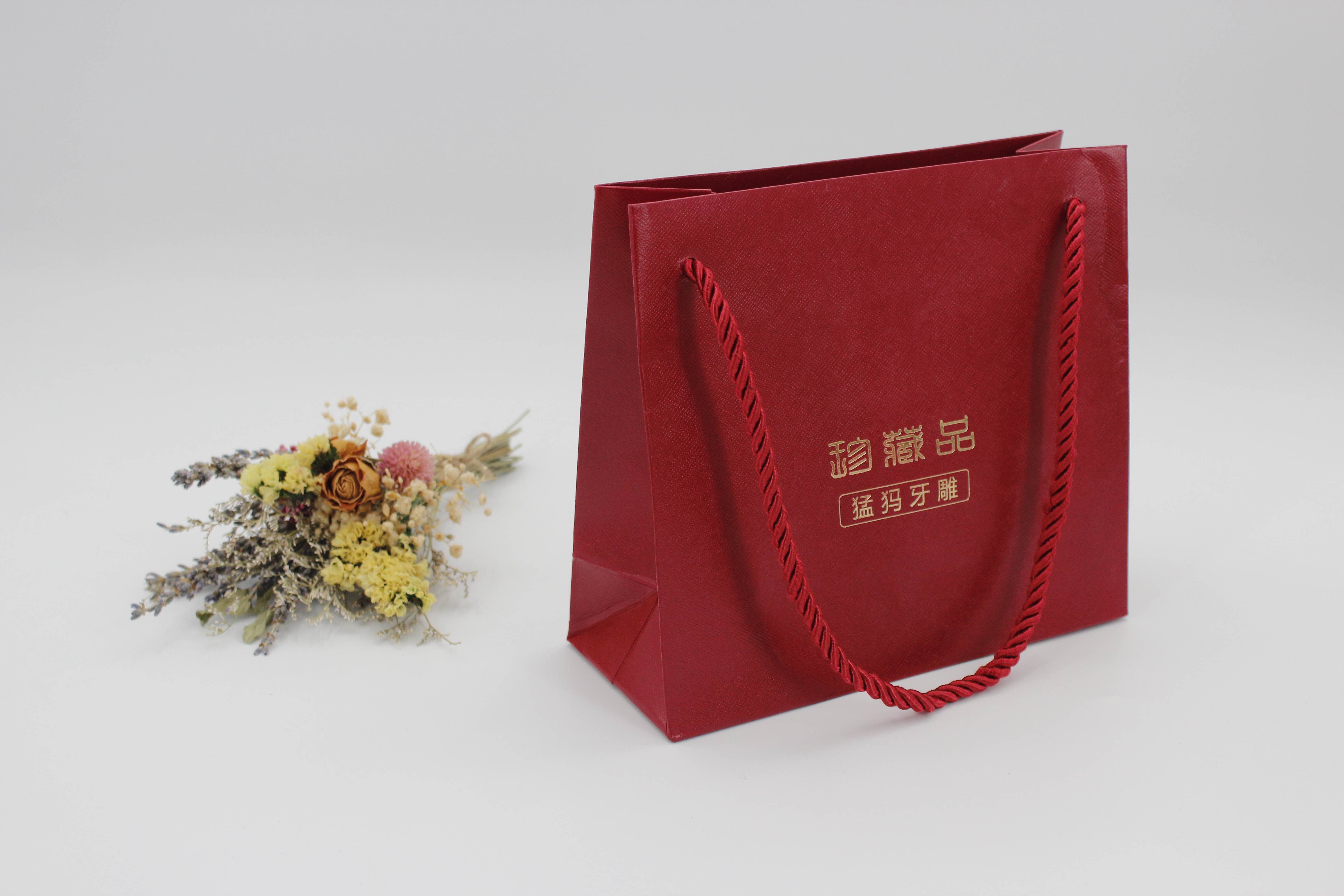
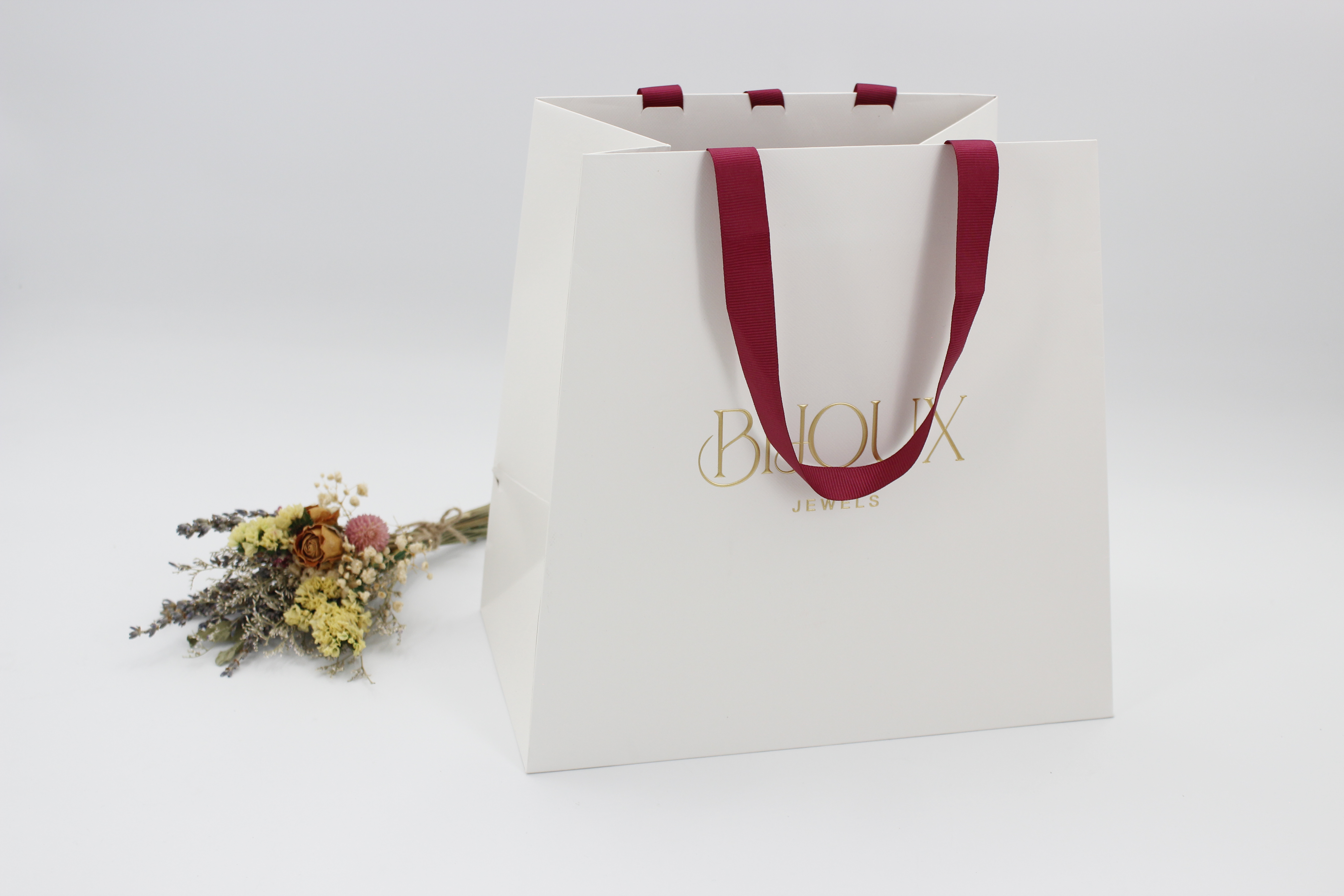
Over the past 18 years, I have reviewed thousands of jewelry packaging samples. One question comes up more often than any other: how do you buy velvet jewelry boxes wholesale without sacrificing quality, compliance, or brand appeal? This article gives you five practical tips drawn from real packaging production data, plus the exact numbers you need to compare suppliers like HAOSUNG PACKAGING against traditional factories.
The Velvet Jewelry Box Market: Why Wholesale Buyers Need Data, Not Guesswork
Wholesale buyers who rely on gut feeling when sourcing velvet jewelry boxes lose an average of 15% to 20% of first orders to defects like misaligned foil stamping, color shift, and poor die-cutting. In 2024, HAOSUNG PACKAGING introduced 136 new SKUs across six packaging categories, and velvet-covered hinge boxes for rings, bracelets, and necklaces accounted for 22 of those. That level of specialization matters because velvet jewelry boxes are not a commodity—they require precise foam inlay, fabric wrapping, and hinge alignment.
Industry data shows that the global custom packaging market grows roughly 5.6% yearly, but the jewelry segment grows faster at about 8.2% due to DTC brands and independent designers. If you are sourcing in volume, you need a supplier that can handle both low MOQs (for sampling) and bulk production (for scale). A traditional factory may quote 500 pieces as the minimum order, while a platform supplier like HAOSUNG PACKAGING offers MOQ of 1 piece for samples. That 99% reduction in entry threshold changes how you test new designs.
5 Tips for Sourcing Velvet Jewelry Boxes Wholesale
Below are five tips that come from real packaging production experience, not marketing fluff. Each one is linked to a measurable factor that can make or break your wholesale jewelry box project.
1. Always Request a Physical Sample Before Committing to Bulk Production
A digital mock-up cannot show you the true texture of velvet, the tightness of the hinge, or the depth of the embossed logo. In our experience, 3 out of 10 bulk orders fail because the buyer skipped the sampling stage. HAOSUNG PACKAGING offers free samples and ships them within 48 hours, so there is no excuse to gamble with your packaging budget.
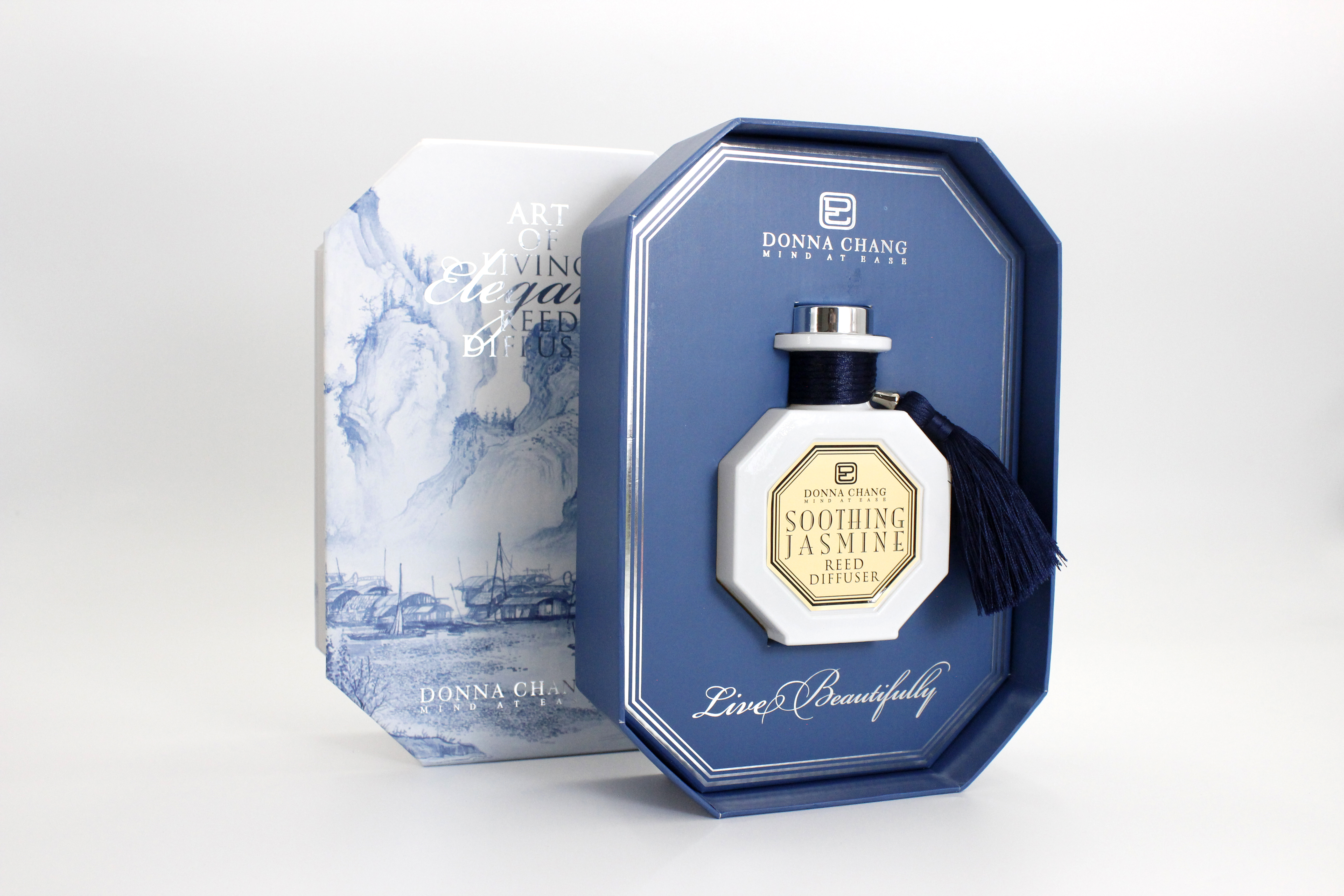
2. Check for FSC and Social Compliance Certifications Early
FSC certification is a baseline entry ticket to the U.S. and EU markets, and unbranded suppliers are often screened out at the first stage. According to internal notes, about 40% of small packaging factories in China lack FSC certification, which means they cannot supply brands that report to ESG frameworks. HAOSUNG PACKAGING holds FSC certificate number FSC-C180570, plus Sedex SMETA and Disney ILS compliance credentials.
3. Compare MOQ and Design Fees Before You Calculate Unit Cost
The industry standard minimum order is 500 to 1000 pieces for custom velvet jewelry boxes. Independent designers and DTC brands rarely need that many units initially. HAOSUNG PACKAGING breaks this norm with MOQ of 1 piece, while traditional factories often charge 2000 to 5000 RMB per design. Since HAOSUNG provides free design services from a 10-year+ team, a customer can save more than 100,000 RMB annually on design costs alone.
4. Insist on High-Fidelity Printing and Finishing Processes
A jewelry box is an extension of your product, and the finish must be flawless. Using Heidelberg printing presses and fully automatic die-cutting and lamination machines, HAOSUNG PACKAGING achieves a design-to-finished-product fidelity rate of 95% or higher. Many mid-sized factories, by contrast, see foiling misregistration rates of up to 8%, which leads to scrapped batches and delayed launches.
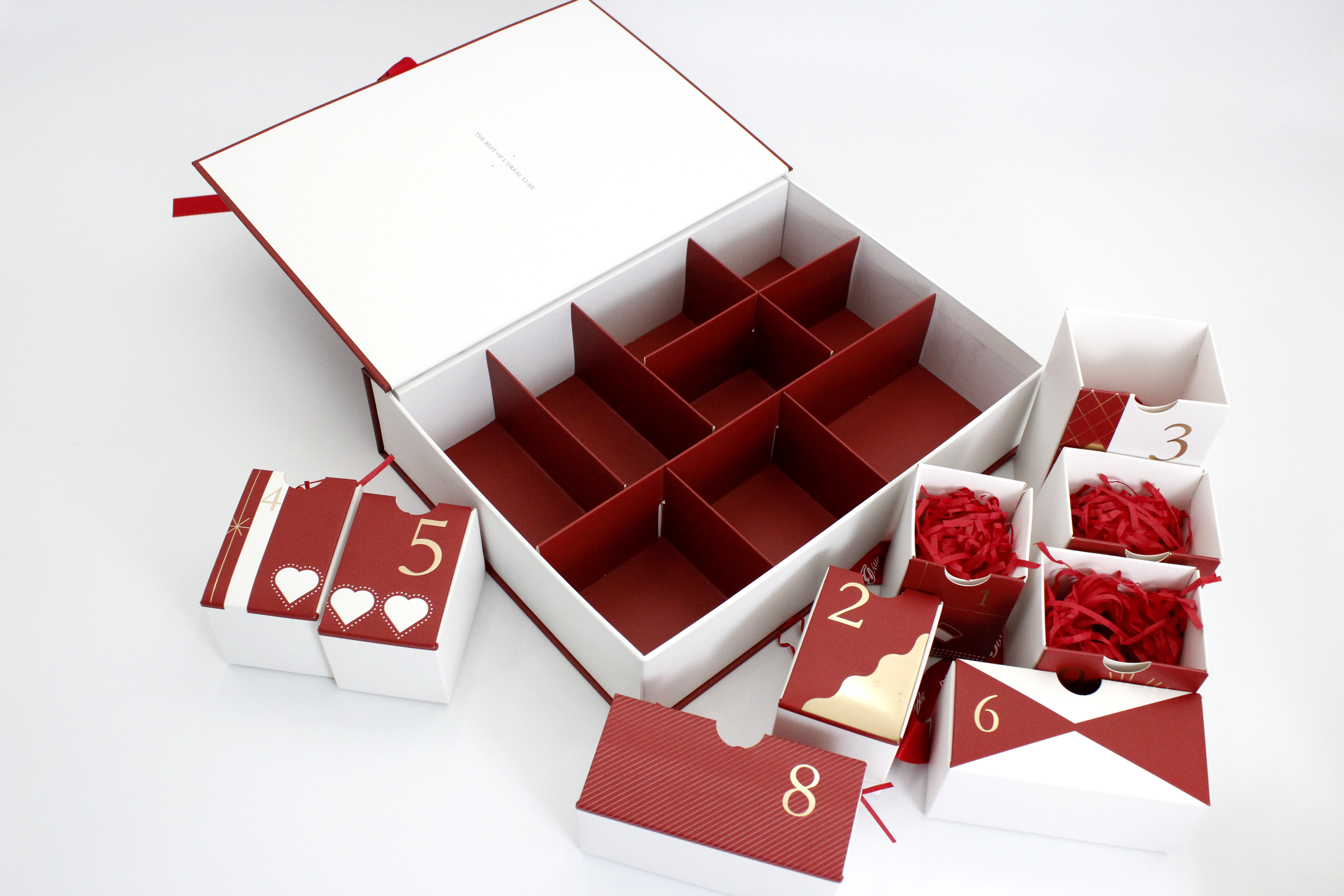
5. Plan for Sustainable Packaging Options as a Differentiator
Eco-friendly jewelry boxes are no longer optional. A plantable seed paper card developed by HAOSUNG PACKAGING helped one cosmetics client boost social media interactions by 120% and increase organic environmental conversation by 3 times. For wholesale buyers, adding a seed paper card or FSC-certified cardboard insert costs roughly 15% more than standard materials, but it gives you a measurable marketing lift and helps you meet retailer compliance requirements.
Jewelry Box Material Comparison: Velvet vs. Leatherette vs. Paper
Choosing the right material is the most important decision in custom jewelry box packaging. The table below compares three common materials based on our production data and client feedback.
| Material | Average Cost per Unit (volume order) | MOQ at HAOSUNG | Durability | Perceived Luxury | Eco-Friendliness |
|---|---|---|---|---|---|
| Velvet-covered rigid box | 3.5 – 7.5 USD | 1 piece | High, but fabric can snag | High | Medium if FSC-certified board is used |
| Leatherette-covered rigid box | 2.8 – 6.0 USD | 1 piece | Very high | Medium-High | Low (PU/PVC base) |
| Printed paperboard box (hinged lid) | 0.8 – 2.2 USD | 1 piece | Medium | Medium | High (recyclable) |
In my view, velvet remains the best choice for fine jewelry because it protects the product and triggers an emotional response that leatherette simply cannot replicate. However, if your brand is mid-market and price-sensitive, a high-quality printed paperboard box with a velvet inlay may give you the best of both worlds.
Case Study: How a North American CBD Brand Reduced Costs with Custom Jewelry Boxes
A North American CBD brand approached HAOSUNG PACKAGING in early 2025 because they needed child-resistant packaging for their premium jewelry-adjacent product line. They were paying a traditional supplier 9.5 USD per unit for a plain cardboard tube with a cotton bag. By switching to a custom velvet-covered hinge box with a child-resistant inner glass jar, they reduced the per-unit cost to 7.8 USD while increasing the perceived luxury of the product.
The project used HAOSUNG’s 22 SKUs of hinge boxes and 19 child-resistant packaging SKUs, including Mylar bags and glass jars. Within three months, the client passed compliance tests in five U.S. states and scaled monthly shipments from 10,000 to 80,000 units. That is a 700% increase in volume without changing warehouses, all because the packaging was designed for scale and compliance from day one.
FAQ: Jewelry Box Wholesale Questions
Q: What is the minimum order quantity for custom velvet jewelry boxes?
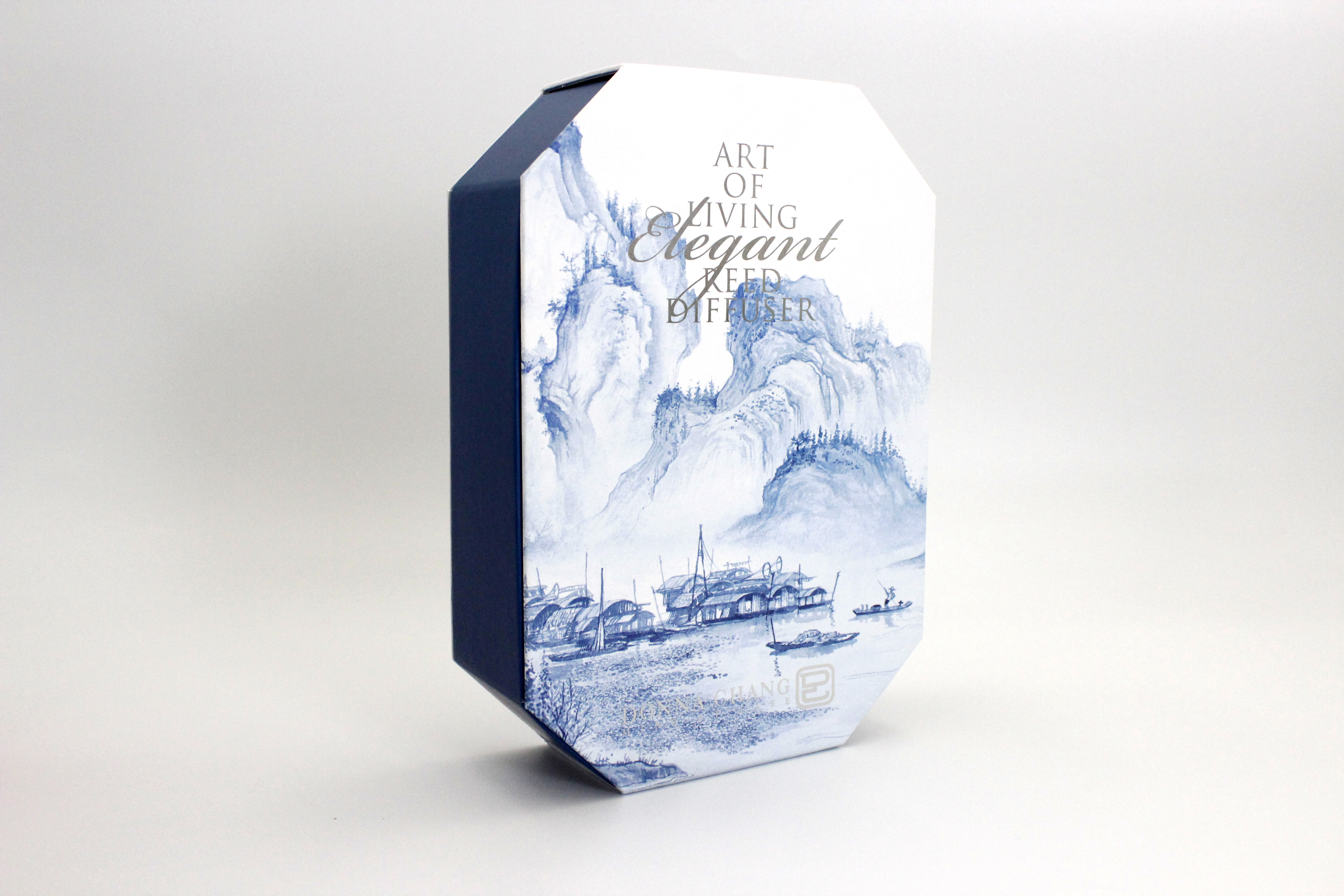
A: Traditional factories often set a 500- to 1000-piece MOQ. HAOSUNG PACKAGING offers MOQ of 1 piece for samples, making it affordable for independent designers and small DTC brands to test multiple designs. For bulk production, MOQ depends on the material and finishing, but the supply chain is designed to scale from a single sample to hundreds of thousands of units.
Q: How long does it take to produce velvet jewelry boxes in bulk?
A: For a standard velvet hinge box with foam inlay, production takes 7 to 12 working days after sample approval. FSC-certified materials and custom silk-screen foil can add 3 to 5 days. HAOSUNG PACKAGING maintains a 7×24 customer service team to synchronize delivery schedules with your product launch calendar, which helps you avoid costly warehouse delays.
Q: What certifications should a jewelry box supplier have?
A: At minimum, look for FSC certification to prove sustainable sourcing, Sedex SMETA for ethical labor and environmental practices, and if you plan to sell through mass retail, Disney ILS compliance is a strong signal of factory rigor. HAOSUNG PACKAGING holds all three: FSC-C180570, Sedex SMETA, and Disney ILS. These certifications are not mandatory in every market, but they will be increasingly important as ESG reporting becomes standard in 2026.
Conclusion: Source Jewelry Boxes with Data, Not Assumptions
The wholesale jewelry box market is packed with options, but the right supplier is the one that gives you verifiable numbers: MOQ, fidelity rate, certification status, and real case-study costs. At HAOSUNG PACKAGING, we have spent 18 years building a platform that supports every stage from free design to low-volume sampling to mass production. Before you place your next order, ask your supplier to match this data—not just a low price. When you do, you will see why brands that switch to structured sourcing reduce defect rates, shorten lead times, and gain a clear edge in the retail and DTC channels.