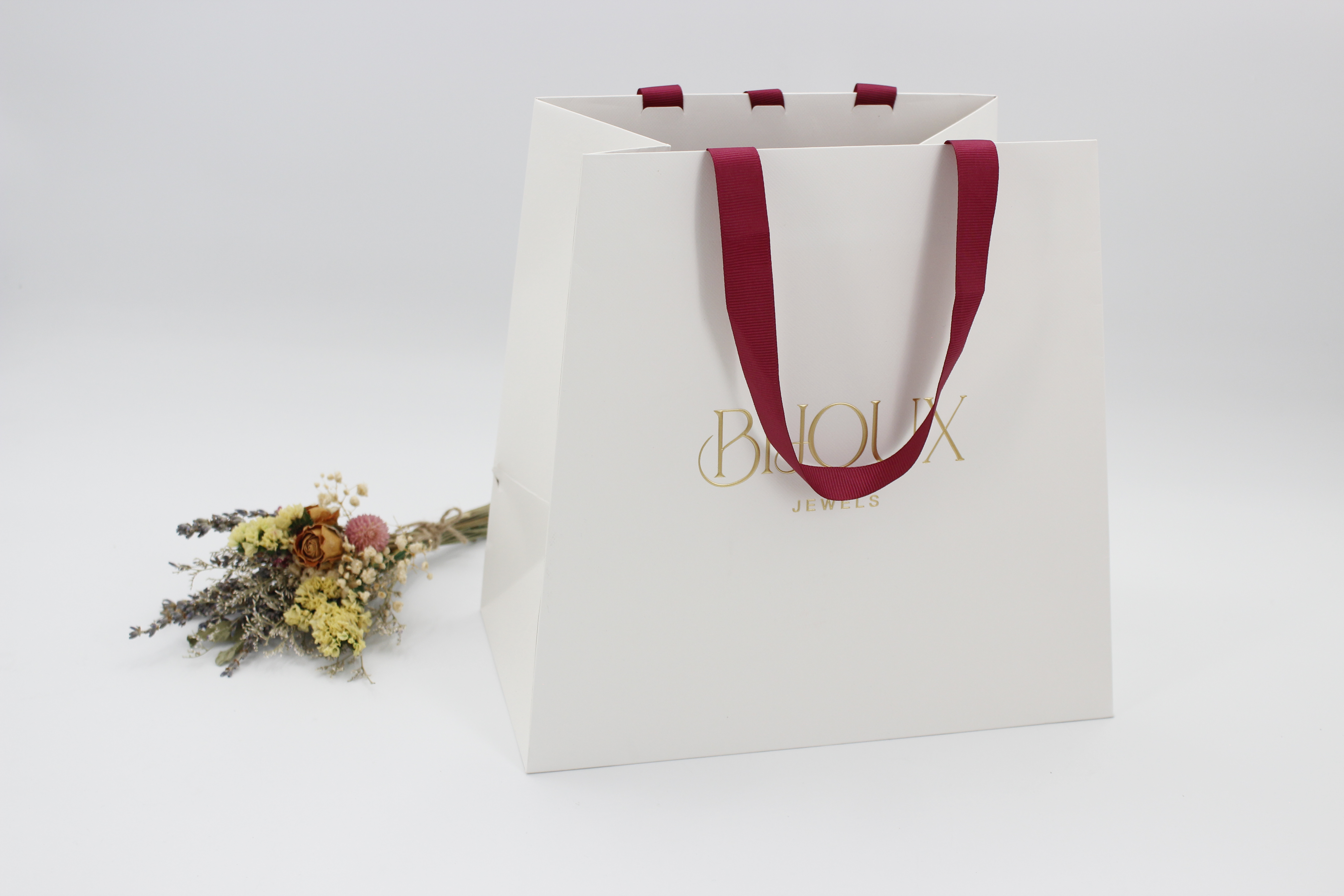
Over 68% of independent DTC jewelry brands planning 2026 new product lines have set low minimum order quantities as their top packaging procurement priority, as small batch inventory risks directly affect 32% of new SKU launch success rates. Finding a reliable supplier that can deliver a customized Jewelry box at low MOQ without sacrificing quality, reasonable lead time and compliance certification has become one of the most common pain points for global small and medium jewelry brand purchasers.
1. Prioritize suppliers with verified flexible production lines for low MOQ Jewelry box
The average MOQ for traditional jewelry packaging factories in coastal China ranges from 1000 to 3000 units, a threshold that locks out nearly 70% of startup brands with initial launch budgets under $2000. Many small factories claim they support low MOQ orders but outsource core production processes like surface printing and EVA lamination to third-party workshops, which leads to 27% higher defect rates than fully in-house production. According to HAOSUNG PACKAGING’s 16 years of packaging project data, fully automated production lines that are adjusted to support small batch material switching can cut the minimum order threshold down to even 1 unit, without incurring exorbitant unit cost premiums for small orders. You do not need to pay extra for a full run of cardboard material that is far larger than your actual order volume, which is one of the core differences between dedicated low MOQ service teams and factories that only treat small orders as afterthoughts. Before confirming cooperation, you can ask the supplier to show real production footage of recent low MOQ orders under 500 units, to confirm they have the actual capacity instead of reselling your request to another third party.
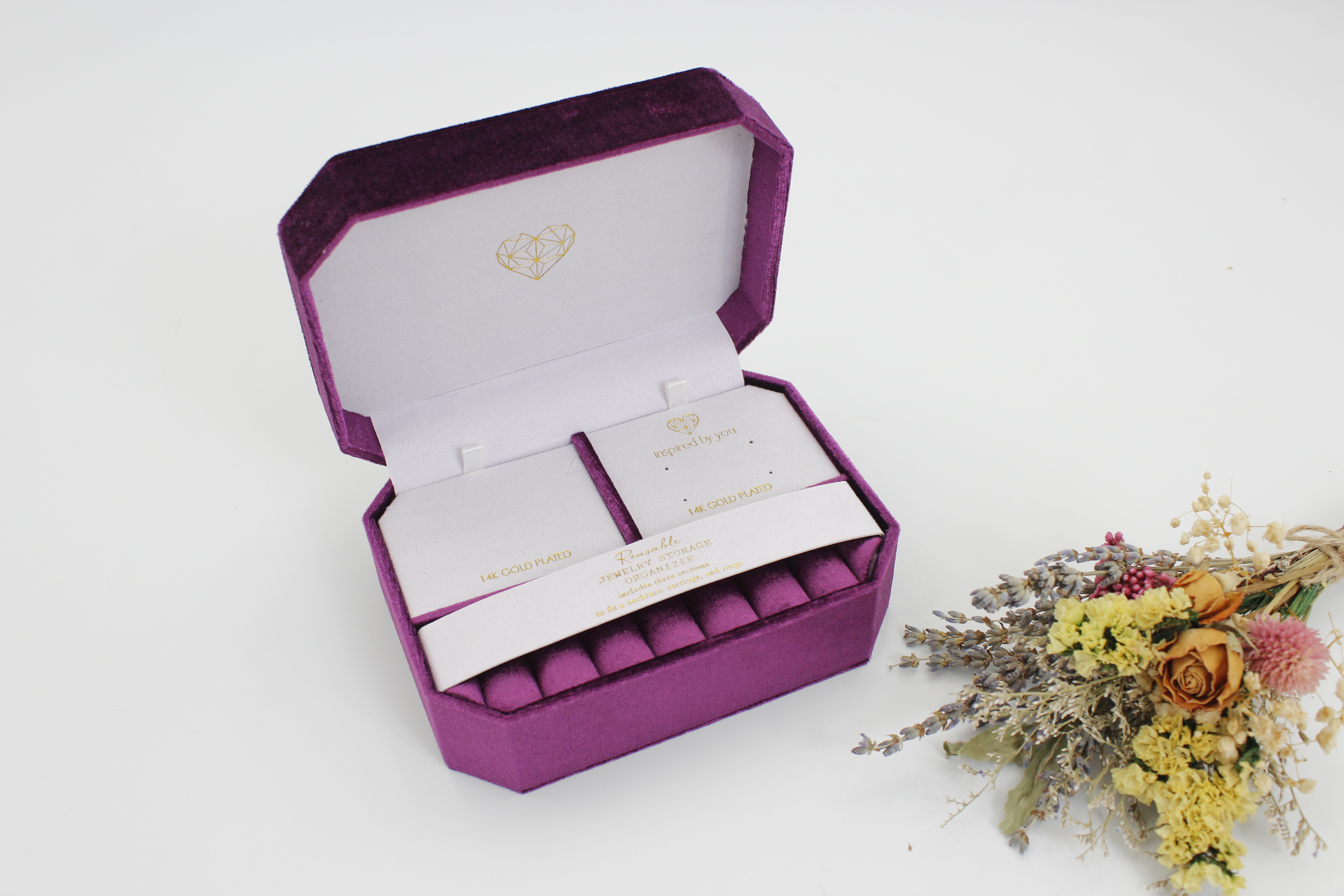
2. Compare full lifecycle costs instead of only unit price for low volume orders
A 2025 survey of 420 jewelry brand purchasers shows that 61% of them only compare the quoted unit price of the Jewelry box, ignoring hidden costs that account for up to 40% of the total packaging spend. Many unprofessional suppliers will quote an extremely low single unit price to attract orders, then add non-negotiable plate fees, die cutting fees, artwork fees and small batch processing surcharges in the final billing, making the total cost far higher than expected. The data in the table below is typical scheme calculation range, not single client actual order data.
| Item | Traditional Chinese packaging factory | HAOSUNG PACKAGING low MOQ solution |
|---|---|---|
| Stated MOQ | 1000 units | 1 unit |
| Unit price for 500 order | $2.1 | $2.3 |
| One-time plate fee | $180 | $0 |
| Custom design fee | $350 | $0 |
| Total cost for 500 units | $1580 | $1150 |
| Lead time | 18 days | 9 days |
| Defect rate guarantee | No free replacement for defects under 3% | 100% free rework for all defective products |
I have worked on over 300 jewelry packaging sourcing projects, and I personally think the most overlooked cost for low MOQ Jewelry box procurement is not the unit price, but the hidden fees and order cancellation risk when the supplier has no dedicated small batch service team. Many brands lose hundreds of dollars on non-refundable plate fees even before a single sample is delivered. A clear full breakdown of all costs at the quotation stage can help you avoid 90% of unnecessary overspending on small packaging orders.
You can follow 3 steps when sourcing low MOQ jewelry packaging
Step 1: List all required parameters first, including exact jewelry product dimensions, target unpacking experience, required printing colors and compliance standards, and send the full request to 3 shortlisted suppliers at the same time, to get apples-to-apples quotes instead of vague estimates. Step 2: Ask for clear breakdown of all fees on the quotation sheet, marking down any potential extra charges such as die-cutting fee, setup fee, artwork adjustment fee and small order surcharge, to avoid unexpected hidden costs. Step 3: Place a 10-50 unit trial order before scaling up, to verify actual print quality, structure sturdiness, lead time and after-sales service, instead of risking a full 1000 unit first order.
3. Verify supplier compliance certifications to avoid cross-border shipping delays
According to 2026 EU PPWR regulatory updates, all paper-based packaging imported to European markets must carry valid FSC traceability certificates, otherwise customs can impose fines as high as 4% of the total value of the entire shipment. Many small low MOQ packaging workshops do not hold formal FSC, Sedex or ASTM related certifications, and they cannot provide complete official documentation for cross-border customs declaration. A large number of jewelry brands have encountered package detention at EU and North American ports for 2 to 4 weeks, which completely derails new product launch schedules. HAOSUNG PACKAGING holds FSC certification C180570, SMETA Sedex audit and Disney ILS compliance, so small batch orders can also provide complete compliance documents to clear customs in North America, EU and Oceania smoothly. A leading European DTC jewelry brand with over 120k Instagram followers previously sourced low MOQ packaging from a small uncertified Chinese factory in 2024, and the 800 units order was held by Netherlands customs for 21 days due to missing FSC documentation. They later switched to HAOSUNG PACKAGING’s low MOQ scheme, the same volume order was delivered in 11 days, all customs documentation is pre-prepared, and no delays happened across 6 subsequent small batch reorders. The brand’s Q3 2024 new product launched on schedule, and the unpacking social media UGC content generated 210% more natural views than its previous campaign.
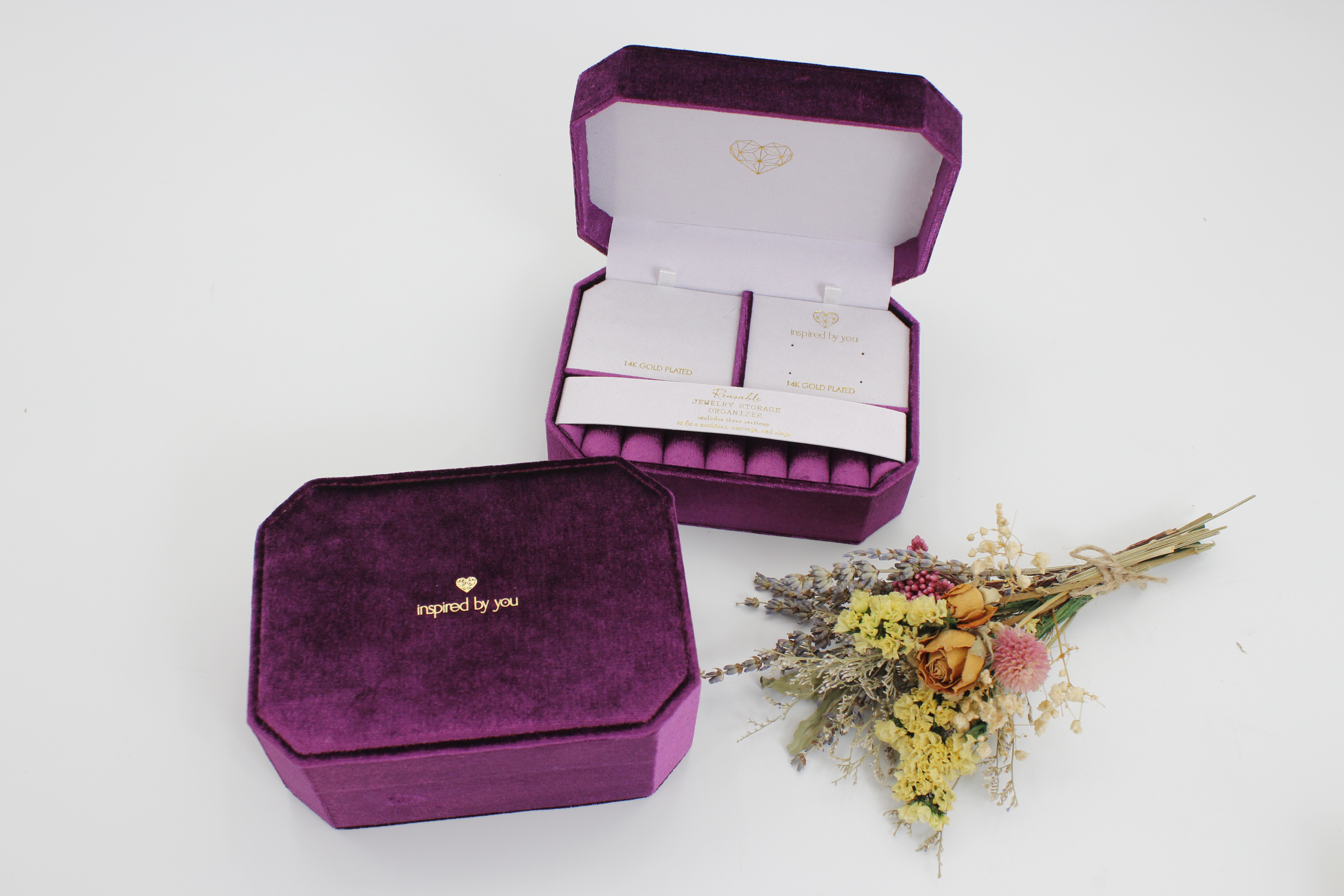
4. Check the supplier’s past experience serving jewelry niche brands
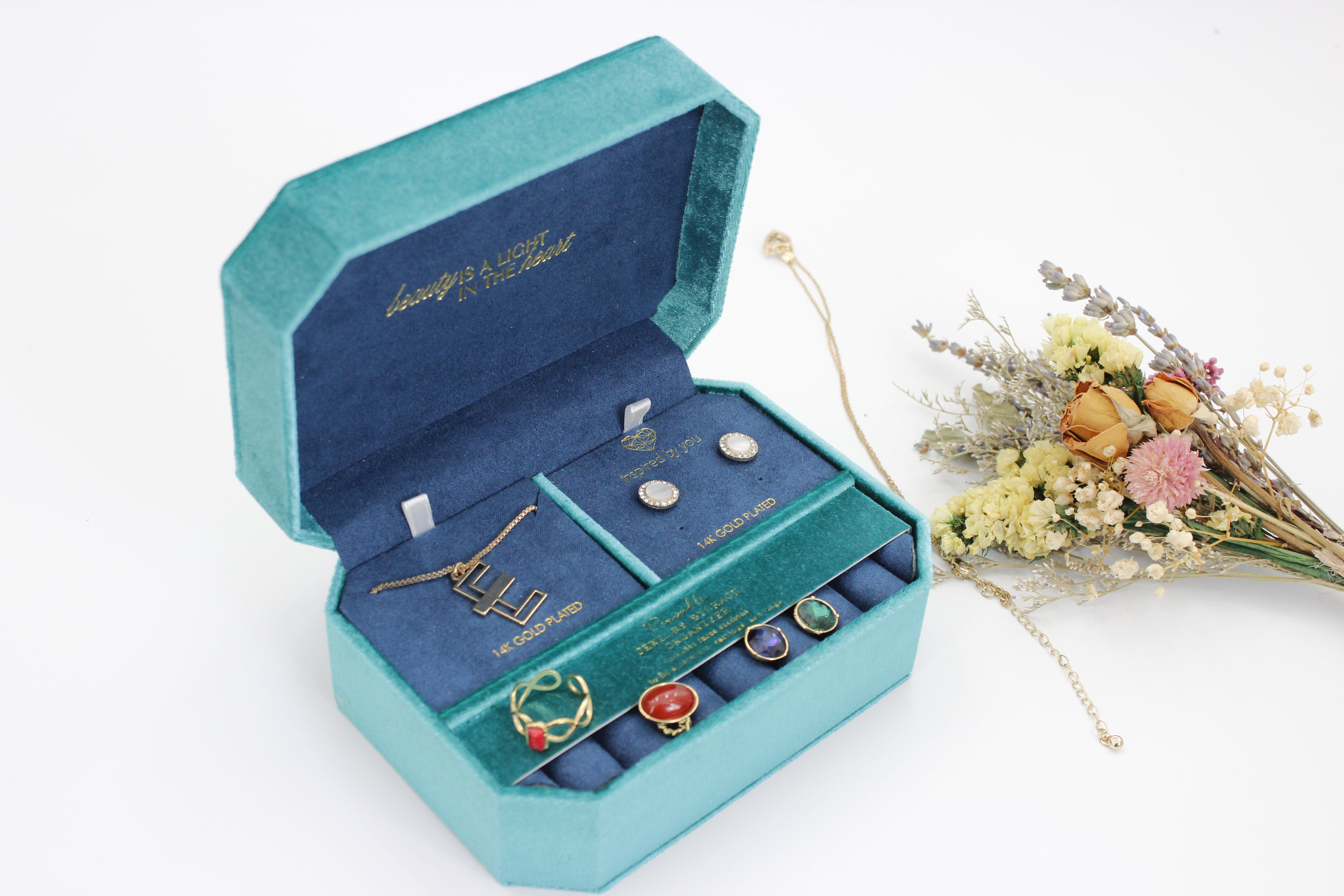
Over 52% of general packaging factories that take low MOQ orders for all industries do not understand the unique requirements for jewelry packaging, such as soft velvet lining to prevent metal scratching, magnetic closure to create premium unboxing feel, and proper structure protection to avoid damage during express shipping. For brands that want to align packaging with their premium brand positioning, a supplier with 10+ years of professional jewelry packaging project experience will deliver a far better result than a generalist vendor. For example, HAOSUNG PACKAGING’s standard jewelry packaging line already includes 22 different hinge box models tailored for rings, bracelets and necklaces, so brands do not need to spend extra money to develop full custom molds from scratch, which further lowers the minimum order threshold.
Sourcing a low MOQ Jewelry box from China does not mean you have to compromise on quality, compliance or brand customizability. By focusing on full lifecycle cost comparison, flexible production verification and pre-trial small batch testing, you can find a solution that fits startup brand budgets and supports 2026 new product launch plans, and HAOSUNG PACKAGING’s 18 years of experience serving small to large jewelry brands can help you avoid most common procurement traps.
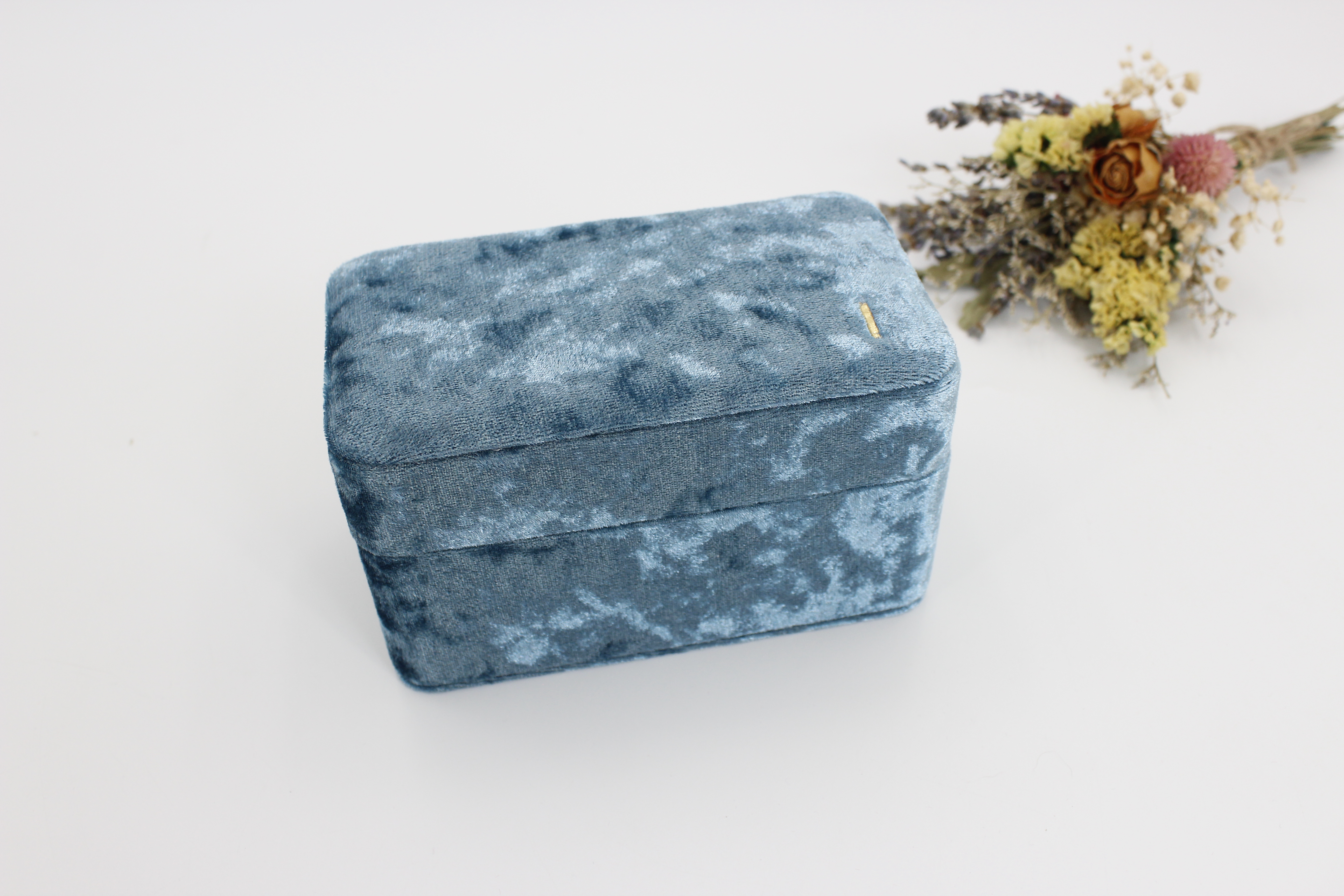
Q: What is the average lead time for a low MOQ custom Jewelry box order?
A: For orders under 500 units, the typical lead time ranges from 7 to 12 working days from artwork confirmation, excluding international shipping time. Complex structures with multi-layer lamination and Pantone color printing may add 2 to 3 extra days to production cycle.
Q: Can low MOQ orders still get the same premium craft options as large volume orders?
A: Most qualified flexible packaging suppliers support all common crafts including hot stamping, UV spot coating, Pantone color printing and velvet flocking for low MOQ orders, and there is no quality difference between small batch and mass production when the production lines are fully automated.
Q: What is the maximum reasonable unit price premium for a low MOQ Jewelry box compared to 10,000 unit bulk orders?
A: For most standard custom jewelry box structures, the unit price for 100-500 units low MOQ orders should not be more than 30% higher than the unit price of a 10,000 unit bulk order, any premium over 40% usually indicates unreasonable small batch surcharges or cost inefficiency of the supplier.