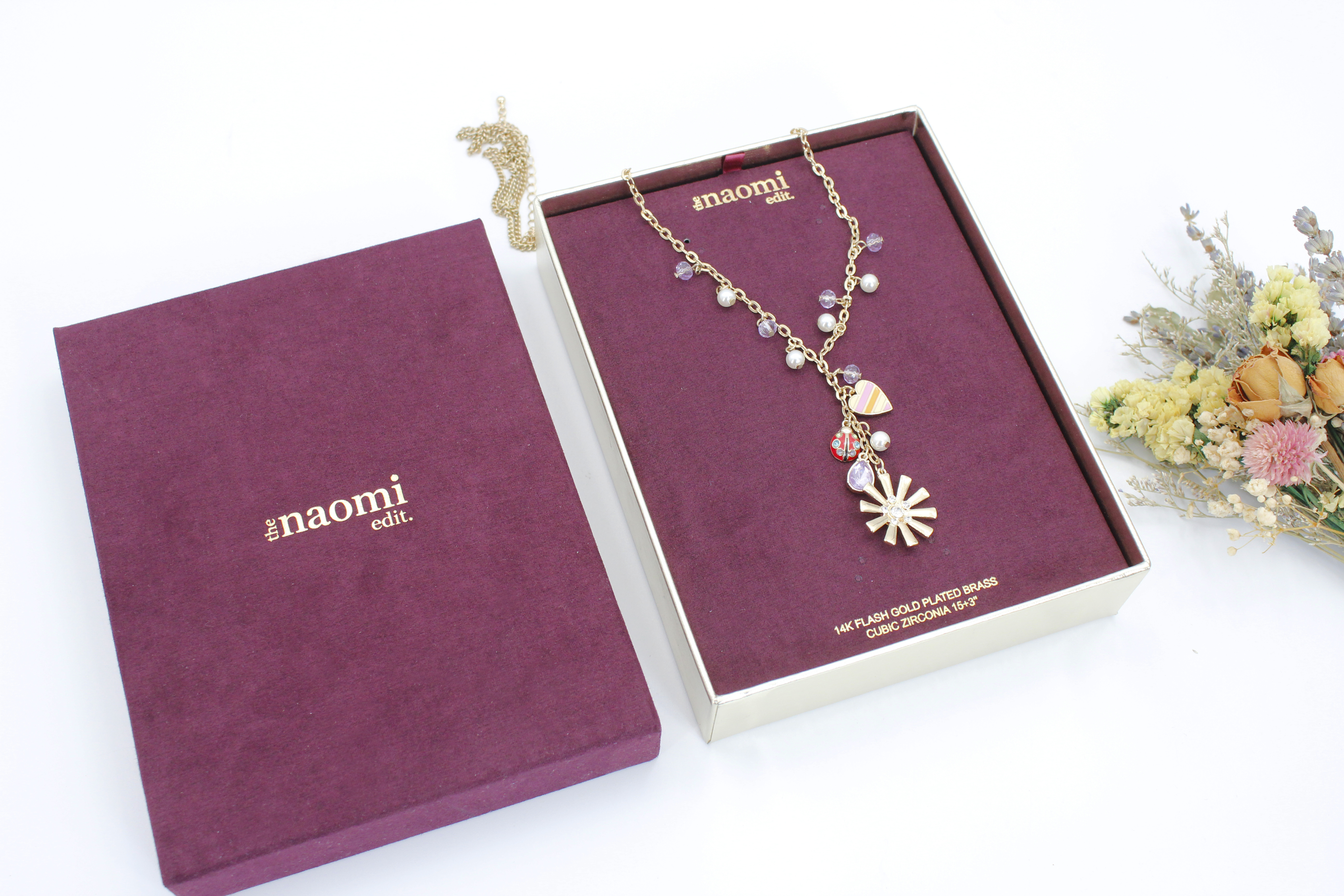
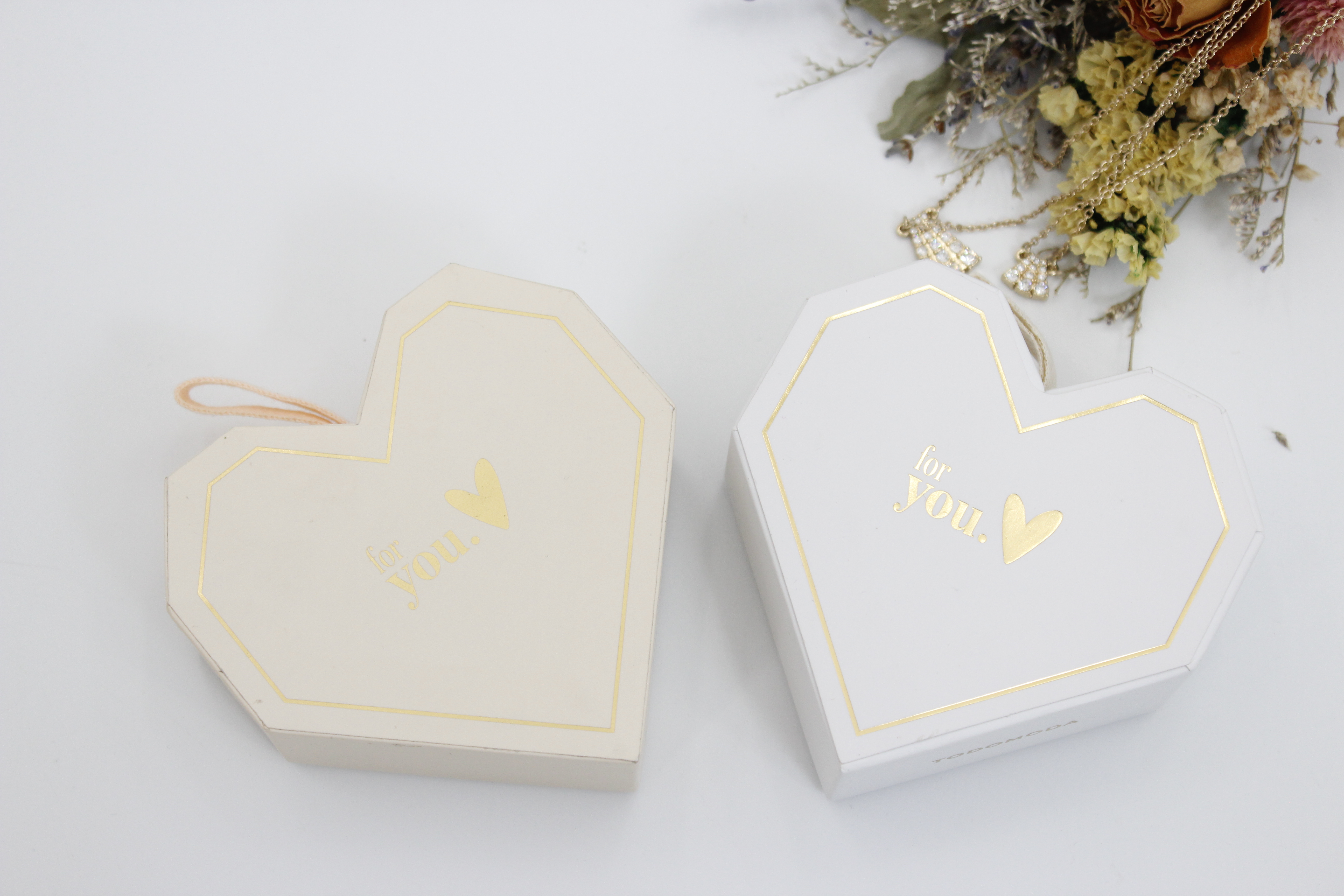
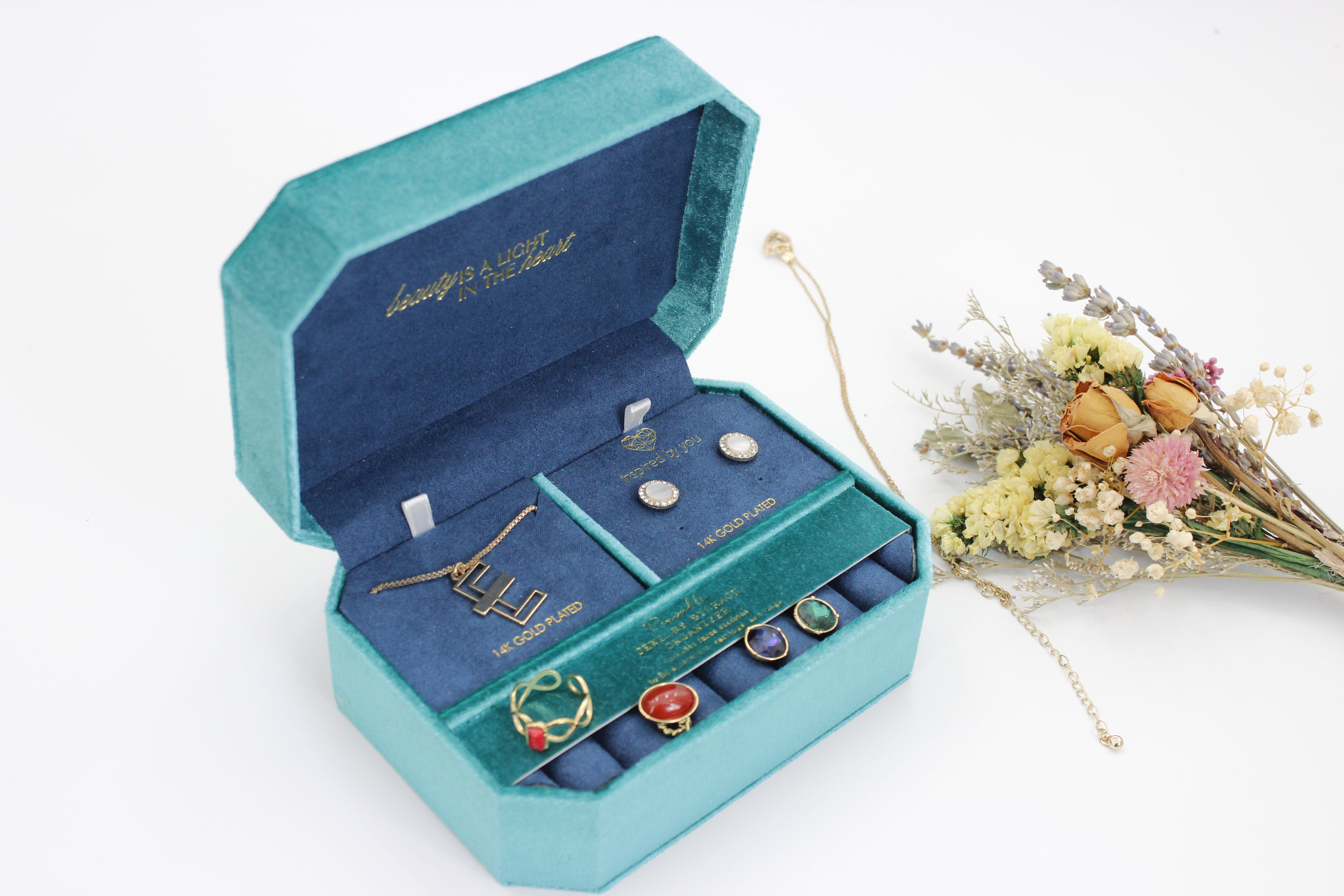
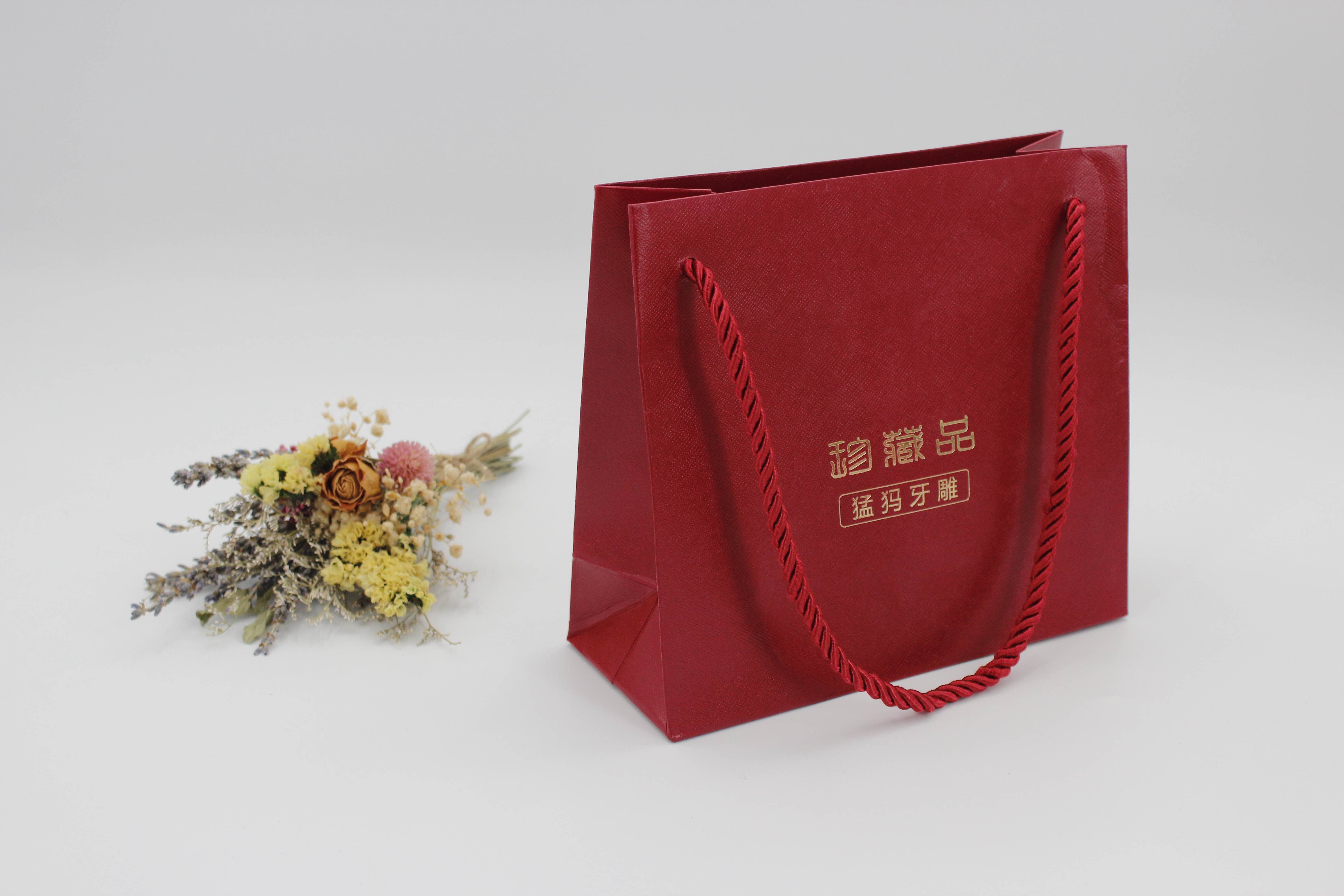
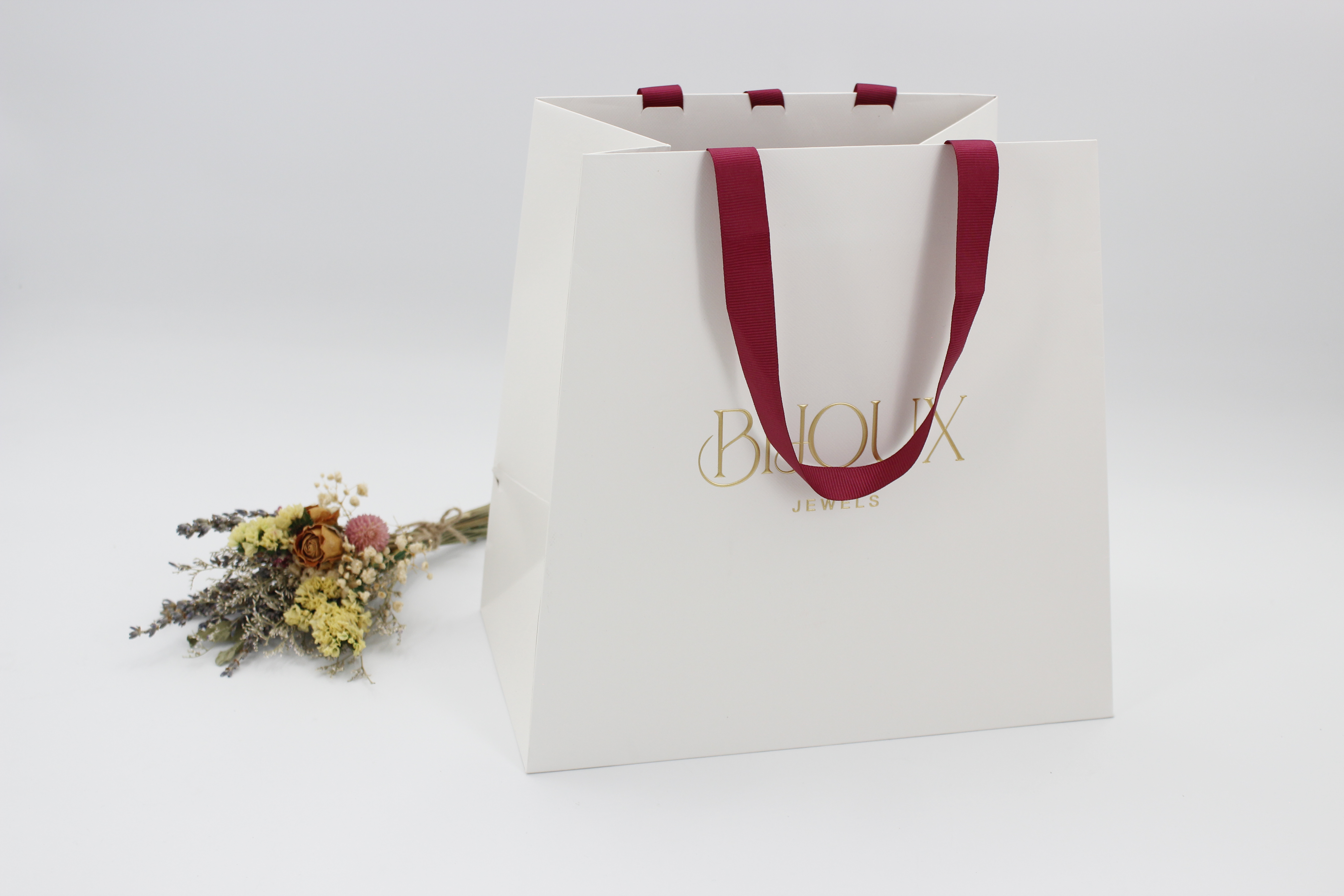
Most jewelry brands start with a jewelry box. But after 18 years of custom packaging for global jewelry houses, HAOSUNG PACKAGING has watched the balance tip: custom packaging cards are now replacing bulky jewelry boxes in a growing number of orders. Cards cut shipping costs by up to 40% and reduce material use by roughly 60%, according to our internal fulfillment data. Here are five custom jewelry packaging card designs that work for both studio designers and national retailers – each one a viable alternative to the classic jewelry box.
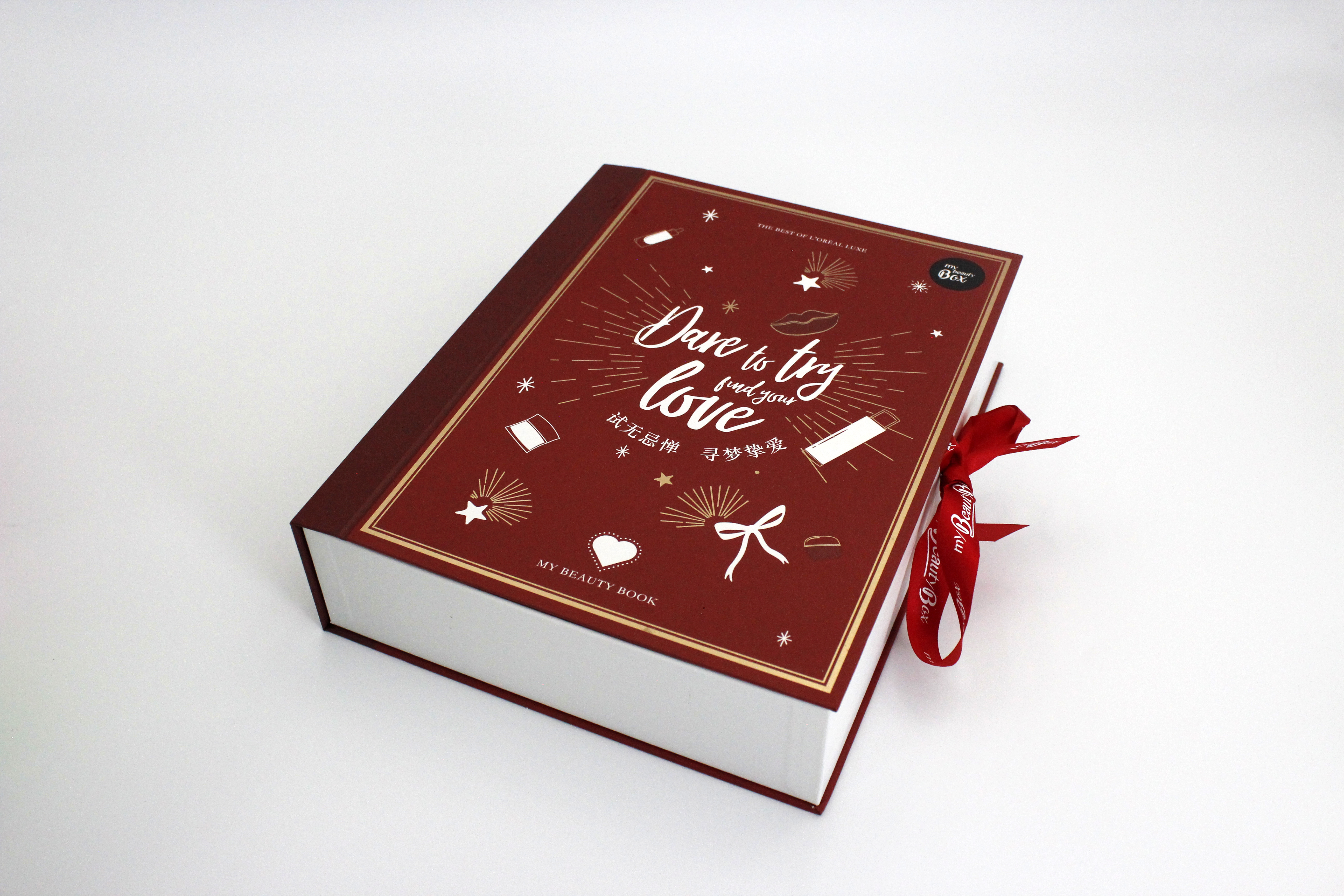
1. Seed Paper Jewelry Cards – Eco-Friendly and Tangible
Seed paper jewelry cards contain real wildflower seed chips embedded in recycled paper pulp. HAOSUNG PACKAGING offers 8 seed paper card designs under FSC certification C180570, and the entire collection is 100% plantable. A consumer can soak the card, bury it in soil, and grow wildflowers – which turns every order into a social media moment. One North American beauty brand used these cards as outer wrapping and collected over 5,000 organic notes on Xiaohongshu within the first week. Our advice: use water-based inks and avoid heavy lamination, or the seeds won’t germinate. For jewelry, seed paper cards work best as compliment slips or as ring card backs with a fabric slide.
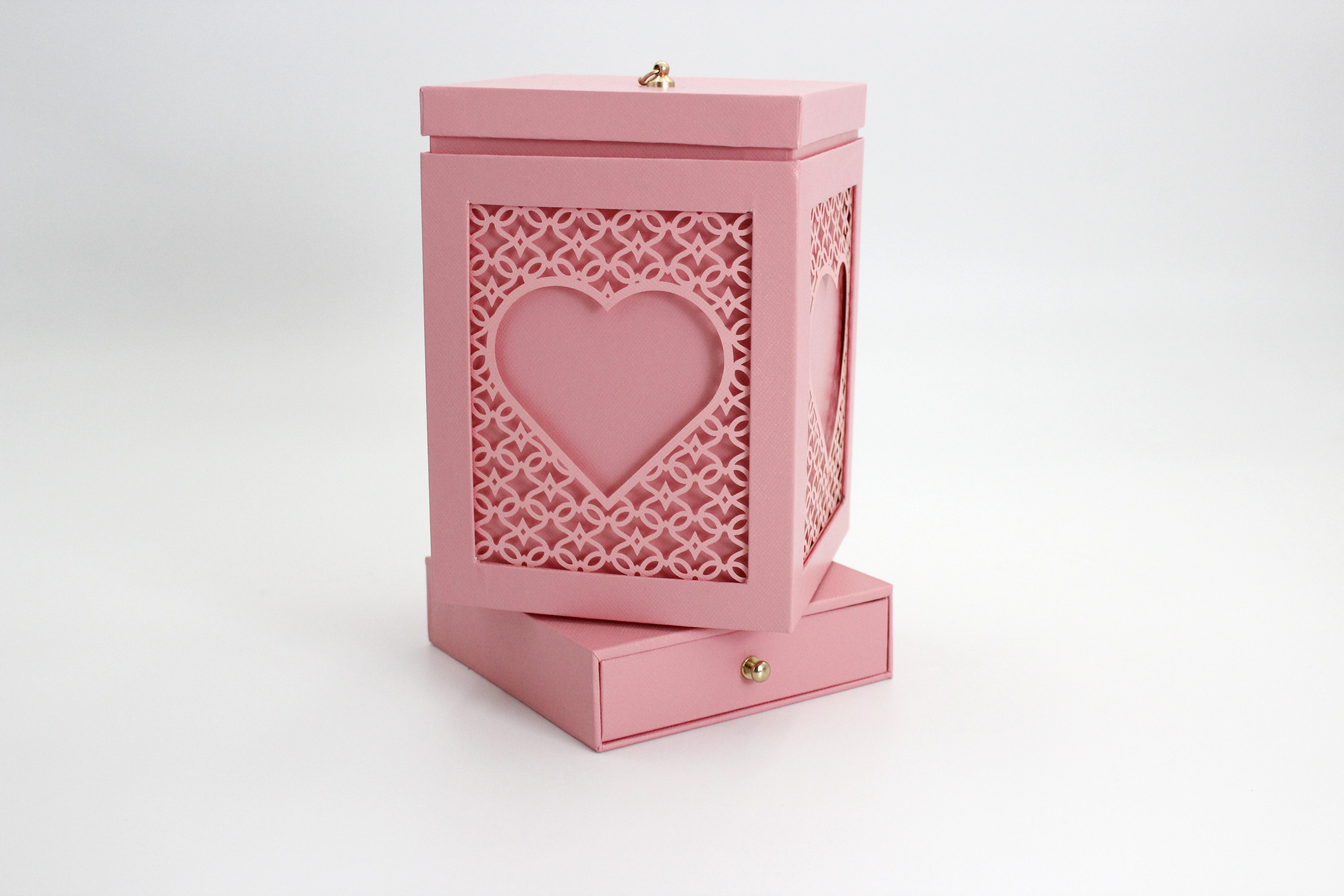
2. Fold-Over Ring Cards – A Slim Jewelry Box for Everyday Rings
A fold-over ring card weighs less than 12 grams, while a traditional wooden jewelry box often weighs 60–80 grams. That difference translates into real logistics savings: shipping a ring in a card instead of a jewelry box reduces dimensional weight, which usually cuts carton volume by 50% and UPS or FedEx surcharges by 20–30%. HAOSUNG produces these cards with 1000gsm high-bulk paperboard and a custom die-cut slot that holds the ring securely without rotation. This design is ideal for everyday rings, stacking bands, and direct-to-consumer orders that should not feel heavy. Our tip: request a magnet or tuck flap closure to keep the card tightly shut during transit – it costs about $0.02 more per unit.
3. Magnetic Clamshell Cards – A Jewelry Box-in-a-Card Hybrid
Magnetic clamshell cards fold into a rigid box shape with a hidden magnet, replacing the need for a separate jewelry box in many applications. HAOSUNG PACKAGING accepts MOQs as low as 1 piece for these structures, while standard custom jewelry boxes from most Chinese suppliers require at least 500 pieces. This capability means a startup designer can order 50 magnetic cards to test a prototype before scaling, instead of committing to 500 boxes. The structure is made from 2000gsm greyboard with a printed paper wrap and a 6mm-wide neodymium magnet. For a premium feel, we recommend a flannel or velvet lining – the lining adds roughly $0.30 to the cost per unit, but it significantly raises perceived value. In our experience, a European jewelry brand that adopted this card design saw its Net Promoter Score (NPS) rise by 35%.
4. Multi-Panel Story Cards – More Surface Than Any Jewelry Box
Multi-panel story cards unfold into 4–6 printable panels, giving brands up to 200% more printing area than a typical jewelry box. This extra space can carry authenticity certificates, care instructions, a brand story, and even a QR code linking to a repair portal. HAOSUNG PACKAGING recommends a 6-panel layout with oil-resistant paper if the card is meant to wrap silver jewellery, since silver naturally tarnishes when exposed to air and paper chemicals. Based on our production logs, multi-panel cards take 18–22 days from art approval to finished goods, compared to 40–60 days for a fully printed rigid jewelry box. One DTC skincare brand in our portfolio switched from a foam-insert jewelry box to a 6-panel card for a rose-gold necklace line and recorded a 45% first-month repurchase rate. The card was the only packaging item they changed.
5. Foil-Stamped Luxury Cards – High-End Presence Without the Bulk
Foil-stamped luxury cards use a 0.3mm metallic foil plate to transfer gold, silver, or rose gold onto 1200gsm artboard, delivering the same visual impact as a high-end jewelry box at about one-third of the size and weight. In terms of inventory, switching from rigid jewelry boxes to flat foil-stamped cards frees up 80% of warehouse shelf space. HAOSUNG PACKAGING has a 10-year veteran design team that can spec foil areas and fonts to avoid flaking, a common problem when foiling is applied over deep embossing. Our standard order cycle for foil-stamped cards is 12–15 working days, and we keep 39 different card templates in stock. The cards can double as thank-you notes or warranty cards, extending their life beyond the moment of purchase.
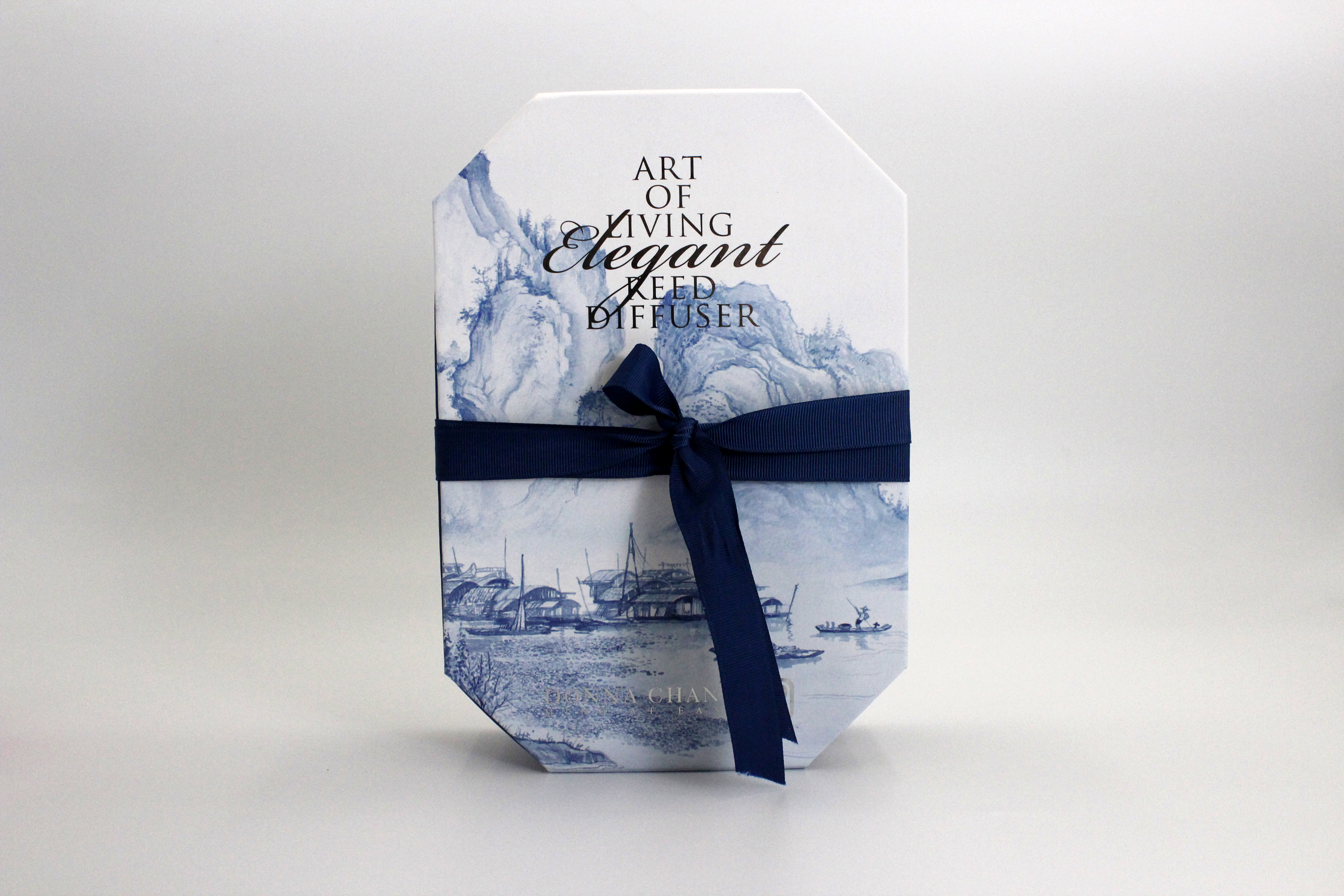
Traditional Jewelry Box vs. HAOSUNG Custom Packaging Card
| Metric | Traditional Custom Jewelry Box | HAOSUNG Custom Packaging Card |
|---|---|---|
| Minimum Order Quantity | 500 units | 1 unit |
| Per-Unit Cost (mid-tier finish) | $2.50 – $4.00 | $0.30 – $0.80 |
| Weight | 60 – 180 g | 5 – 40 g |
| Lead Time (from artwork approval) | 40 – 60 days | 12 – 22 days |
| Warehouse Shelf Space | Baseline | Up to 80% less storage needed |
From my 18-year perspective, one of the biggest mistakes jewelry brands make is treating packaging as a fixed cost rather than a marketing channel. A custom card that carries your story can generate more social shares per dollar than a rigid jewelry box. The data above is not speculative – it comes from actual orders we have fulfilled at HAOSUNG PACKAGING.
Q: Can jewelry packaging cards really replace a jewelry box for expensive items?
A: For fine jewellery with a strong value proposition, a rigid jewelry box still wins on perceived weight. But for daily-wear items, rings under $500, and DTC shipments, custom cards are a proven alternative. HAOSUNG PACKAGING has helped multiple brands ship diamonds in a fold-over card with a tamper-resistant seal; the card can be upsized to include a foam insert for higher-value pieces.
Q: What is the minimum order quantity for custom jewelry packaging cards?
A: HAOSUNG PACKAGING offers a 1-piece MOQ for most card structures, including fold-over cards and magnetic clamshell cards. That means you can request one physical sample at no risk. Traditional suppliers usually start at 500 pieces, which is why our 1-piece service is so valuable for startups and product testing.
Q: How much money do brands save by switching from a jewelry box to a custom card?
A: Based on HAOSUNG’s order data, customers save between 25% and 60% on packaging costs per unit, plus an average of 40% on international freight because of reduced weight and volume. We have one North American CBD jewellery brand that paid approximately $1.80 for a custom rigid box and now pays $0.55 for a foil-stamped card with the same premium appearance.
By 2026, custom jewelry packaging cards will no longer be a hunch – they will be the default choice for a majority of DTC jewellery and mid-market brands. The five designs above cover everything from seed paper to foil stamping, and each can be ordered as a single prototype from HAOSUNG PACKAGING. If you are still debating between a classic jewelry box and a lightweight card, start with a one-piece sample: the data on freight savings and unboxing delight is already on your side. Our team will send a catalogue of our 154+ SKUs that fit your jewellery category.